

Potager

Apartment Vegetable Garden: Step-by-Step Guide

Create a thriving apartment vegetable garden in Canada with the right containers, soil, and plant selection adapted to your climate zone.

Level Beginner
Duration 45 minutes
Season Spring
Reading 3 min read

4 steps

Growing fresh vegetables in your Canadian apartment is possible year-round with the right containers, varieties, and techniques. This step-by-step guide helps you establish a productive apartment vegetable garden adapted to Canada's diverse climate zones, from compact herbs to full-sized tomatoes. You'll learn to select appropriate containers, choose climate-adapted varieties, and maintain healthy plants in limited indoor spaces.

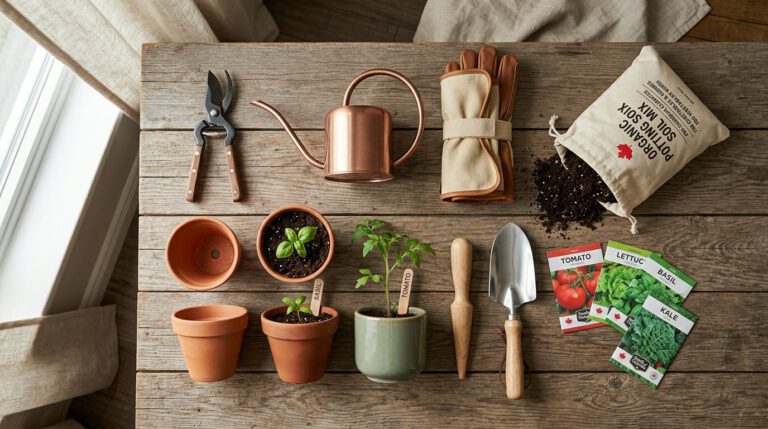
What you will need

🪴 Large containers with drainage holes (minimum 20-30cm deep)
🌱 Quality potting mix suitable for vegetables
💧 Watering can with fine rose attachment
🌿 Seeds or seedlings of cool-season vegetables
☀️ Grow light for low-light apartments
Required Materials

  • 🪴 Large containers with drainage holes (minimum 20-30cm deep)
  • 🌱 Quality potting mix suitable for vegetables
  • 💧 Watering can with fine rose attachment
  • 🌿 Seeds or seedlings of cool-season vegetables
  • ☀️ Grow light for low-light apartments

Setting Up Your Apartment Vegetable Garden in Canada

Step 1: Choose Your Location and Containers

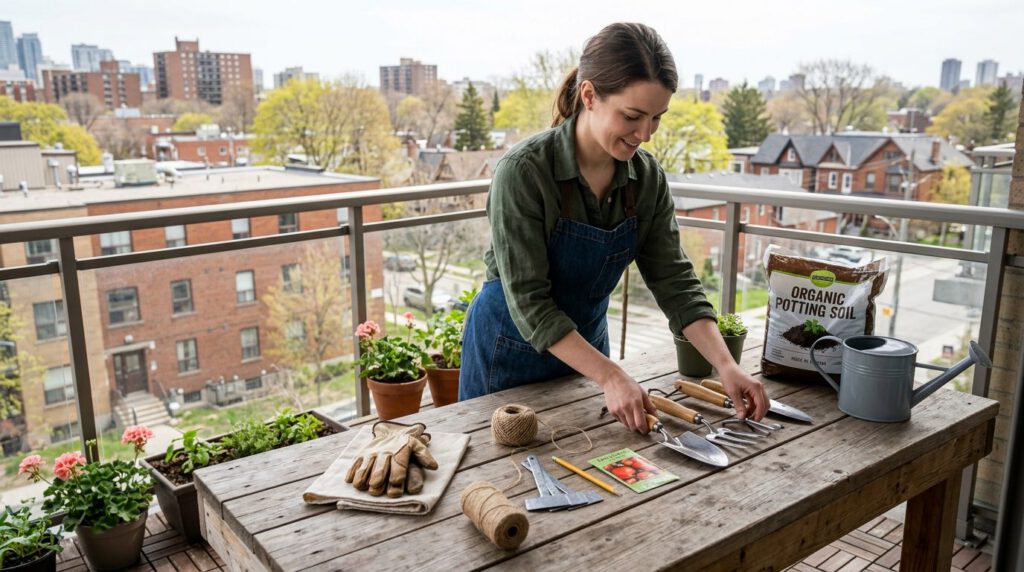
Select the sunniest spot in your apartment, ideally a south-facing window or balcony that receives 6-8 hours of direct sunlight daily. In Ontario’s zone 6a, a bright kitchen window often works well. Choose containers at least 20cm deep for leafy greens and 30cm for tomatoes or peppers. Ensure all containers have drainage holes to prevent waterlogging, which is especially important in Canada’s humid summers when apartment humidity levels can affect soil moisture retention.
Apartment Vegetable Garden in Canada: Step-by-Step Guide — step 1, practical guide illustration

Step 2: Prepare Quality Growing Medium

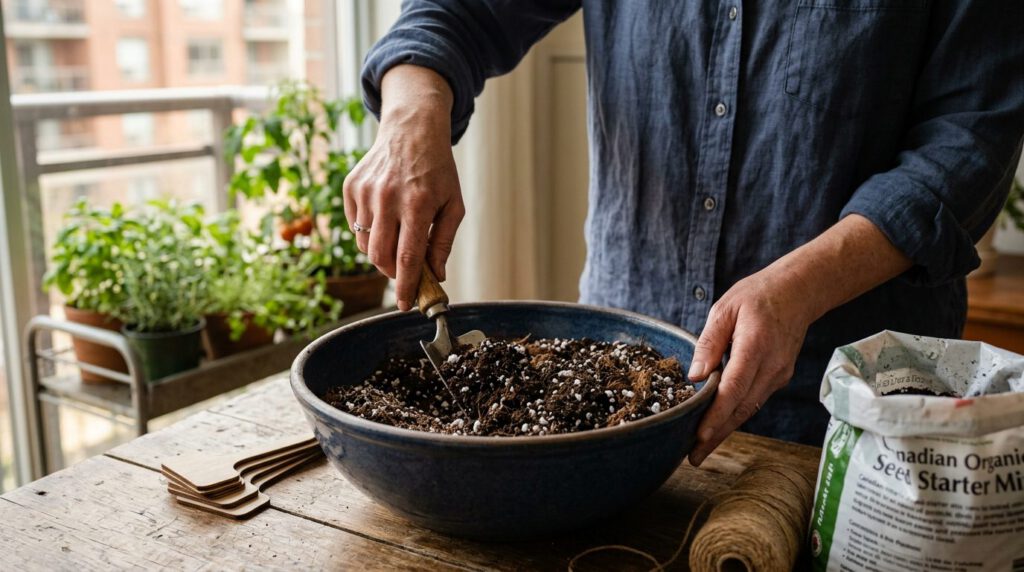
Fill your containers with high-quality potting mix designed for vegetables, avoiding garden soil which compacts in containers. Canadian garden centres like Canadian Tire carry excellent organic potting mixes. Add slow-release fertilizer specifically formulated for edibles. In Quebec’s shorter growing season (zone 4-5), enriching your soil mix with compost helps vegetables establish quickly. Leave 2-3cm space at the top of each container for watering without overflow.
Apartment Vegetable Garden in Canada: Step-by-Step Guide — step 2, practical guide illustration

Step 3: Select and Plant Canadian-Adapted Varieties

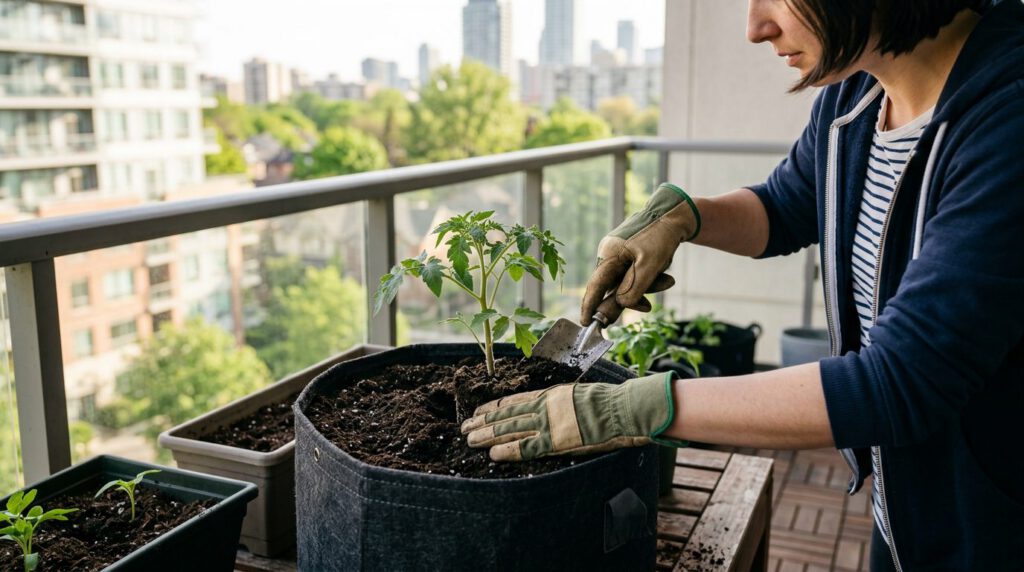
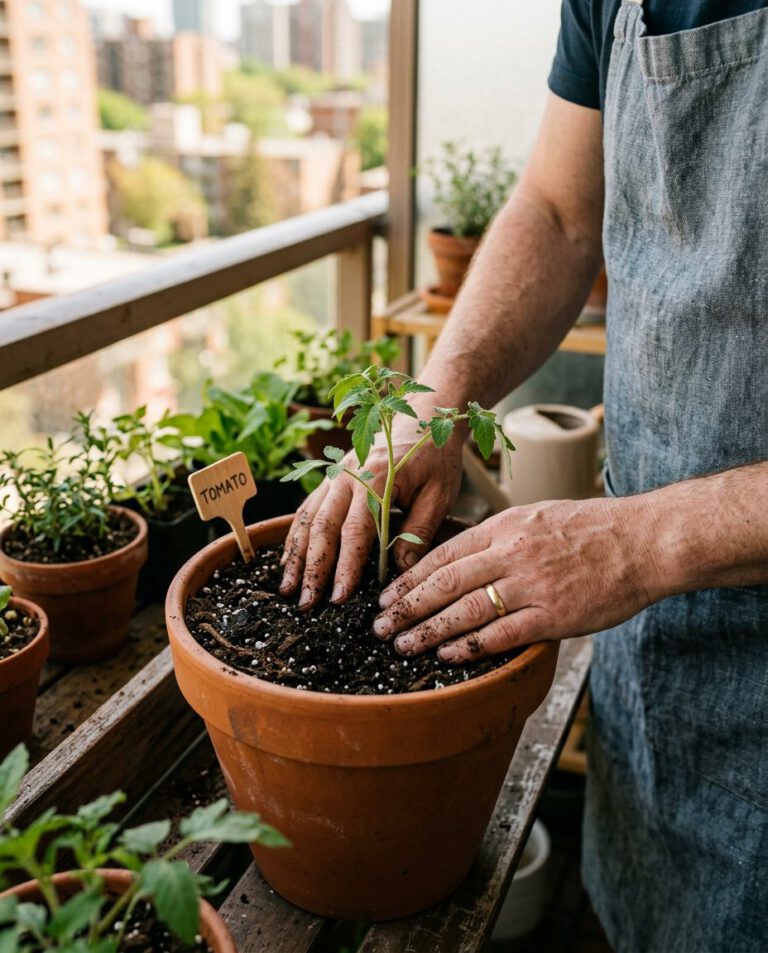
Choose vegetables suited to container growing and Canada’s climate. In British Columbia’s zone 8-9, you can start tomatoes indoors in March, while Manitoba gardeners (zone 2-3) should wait until May. Plant cool-season crops like lettuce, spinach, and radishes first, followed by warm-season vegetables after the last frost date. Space plants according to package directions, typically closer than outdoor gardens since container soil provides concentrated nutrients.
Apartment Vegetable Garden in Canada: Step-by-Step Guide — step 3, practical guide illustration

Step 4: Establish Watering and Light Schedule

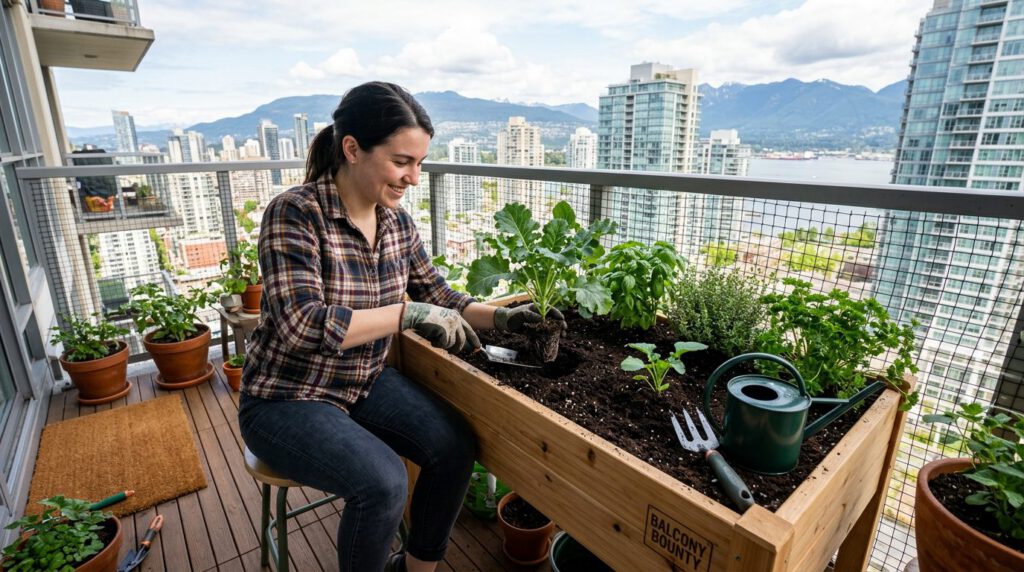
Water when the top 2cm of soil feels dry, typically every 2-3 days in heated apartments. Container vegetables need consistent moisture but not waterlogged conditions. If your apartment lacks sufficient natural light, install LED grow lights 15-30cm above plants, running them 12-14 hours daily. In Alberta’s long winter months (zone 3), grow lights become essential for year-round growing, especially for herbs and microgreens that can thrive indoors.
Apartment Vegetable Garden in Canada: Step-by-Step Guide — step 4, practical guide illustration

Common Mistakes to Avoid

  • Choosing containers too small: Use containers at least 20cm deep for herbs and leafy greens, 30cm for fruiting vegetables like tomatoes.
  • Overwatering in winter: Reduce watering frequency during Canada’s heating season when indoor air is dry but soil retains moisture longer.
  • Ignoring frost dates: Never start warm-season vegetables outdoors before your area’s last frost date, which varies from April in Vancouver to June in northern territories.
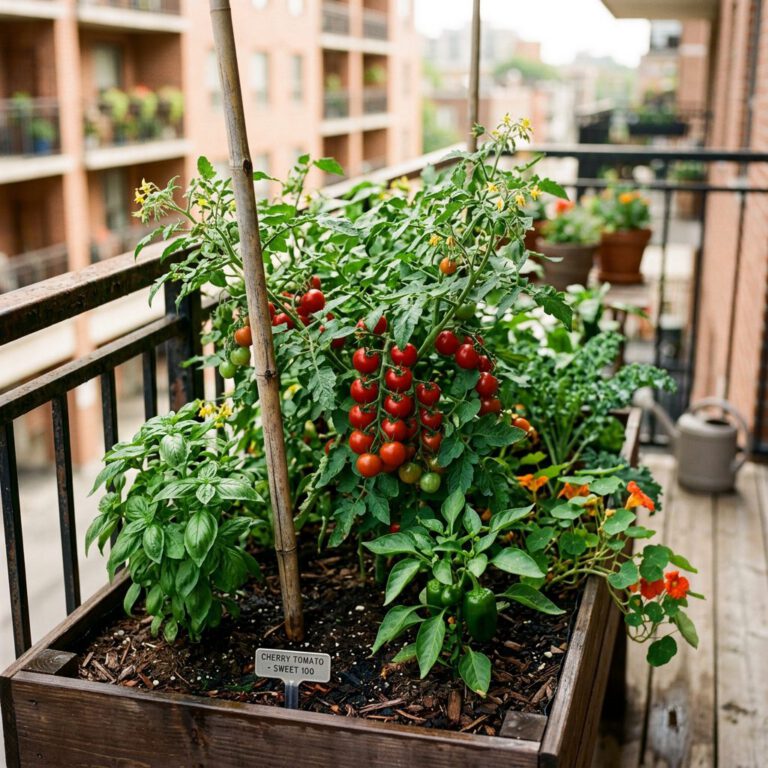
  • Poor variety selection: Choose compact, container-specific varieties rather than full-size garden varieties that outgrow apartment spaces quickly.
Regional Tips for Canada

In Ontario’s zone 6a, start your apartment vegetable garden in early March with cool-season crops, transitioning to tomatoes and peppers after the May long weekend. Quebec gardeners in zone 4 benefit from starting seeds indoors 6-8 weeks before the last frost, typically beginning in March for transplanting in late May. British Columbia’s mild zone 8 climate allows for nearly year-round container gardening on covered balconies, with winter growing possible for hardy greens like kale and spinach. Prairie provinces like Saskatchewan (zone 2-3) should focus on compact, fast-maturing varieties and consider supplemental lighting during the long winter months. Maritime provinces benefit from wind-resistant varieties and securing containers on exposed balconies during Atlantic storms.
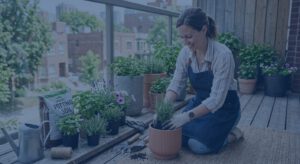

Step-by-step: Apartment Vegetable Garden: Step-by-Step Guide

  1. Step 1: Choose Your Location and Containers

    Select the sunniest spot in your apartment, ideally a south-facing window or balcony that receives 6-8 hours of direct sunlight daily. In Ontario's zone 6a, a bright kitchen window often works well. Choose containers at least 20cm deep for leafy greens and 30cm for tomatoes or peppers.

  2. Step 2: Prepare Quality Growing Medium

    Fill your containers with high-quality potting mix designed for vegetables, avoiding garden soil which compacts in containers. Canadian garden centres like Canadian Tire carry excellent organic potting mixes. Add slow-release fertilizer specifically formulated for edibles.

  3. Step 3: Select and Plant Canadian-Adapted Varieties

    Choose vegetables suited to container growing and Canada's climate. In British Columbia's zone 8-9, you can start tomatoes indoors in March, while Manitoba gardeners (zone 2-3) should wait until May. Plant cool-season crops like lettuce, spinach, and radishes first.

  4. Step 4: Establish Watering and Light Schedule

    Water when the top 2cm of soil feels dry, typically every 2-3 days in heated apartments. Container vegetables need consistent moisture but not waterlogged conditions. If your apartment lacks sufficient natural light, install LED grow lights 15-30cm above plants.

Frequently asked questions about this guide

What vegetables grow best in Canadian apartment conditions?

Leafy greens like lettuce, spinach, and kale thrive in Canadian apartments, especially in cooler provinces like Manitoba. Cherry tomatoes, herbs, and compact pepper varieties also perform well with adequate light. Choose dwarf or container-specific varieties for best results.

How do I manage apartment vegetable gardens during Canadian winters?

In provinces like Saskatchewan with harsh winters, move containers away from cold windows and use grow lights to supplement shortened daylight hours. Focus on cold-tolerant crops like microgreens and herbs that can handle lower light conditions.

What container sizes work best for apartment vegetable gardens in Canada?

Use 10L+ containers for tomatoes and peppers, 5L for herbs and compact plants, and 3L for leafy greens. In windy areas like Alberta balconies, choose heavier containers or secure lightweight ones to prevent damage from strong prairie winds.

Last updated:

Similar guides

View all guides →