


About Aloe Vera
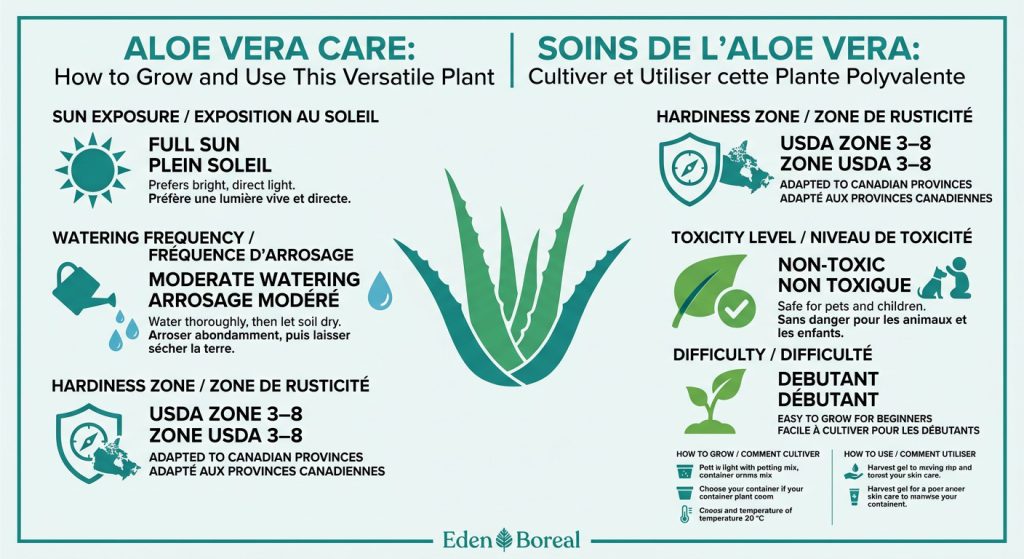
Aloe vera stands as one of the most rewarding houseplants for Canadian gardeners, offering both aesthetic appeal and practical benefits. This drought-tolerant succulent, native to the Arabian Peninsula, has adapted remarkably well to indoor conditions across Canada’s diverse climate zones. From Vancouver’s mild winters in zone 8 to Winnipeg’s harsh zone 2 conditions, aloe vera thrives as an indoor companion plant. The thick, fleshy leaves store water and healing gel, making this plant both beautiful and functional. Canadian households particularly appreciate its low-maintenance nature during our long winter months when humidity levels drop and natural light becomes limited. Unlike many tropical plants that struggle in heated Canadian homes, aloe vera actually prefers the drier indoor air that characterizes our winter living spaces.
Why Choose Aloe Vera for Your Indoor Space?
Canadian gardeners increasingly turn to aloe vera for its exceptional adaptability to our unique indoor growing conditions. This succulent excels in the dry winter air common in Canadian homes, particularly beneficial for residents in provinces like Alberta and Saskatchewan where heating systems run for extended periods. The plant’s natural tolerance for neglect makes it ideal for busy lifestyles or frequent travelers. Beyond its easy care requirements, aloe vera serves as a natural air purifier, removing formaldehyde and benzene from indoor environments. For Canadian families, the plant’s non-toxic nature when properly used makes it a safe choice, though the latex layer should be avoided. The fresh gel from mature leaves provides natural skin care benefits, particularly valuable during Canada’s harsh winter months when skin requires extra moisture and healing support.
Perfect for Canadian Winter Conditions
Unlike humidity-loving tropical plants, aloe vera actually benefits from the lower moisture levels typical in heated Canadian homes. During winter months from October through March, when indoor humidity often drops below 30%, this succulent continues thriving while other houseplants may struggle. Ontario residents particularly appreciate how aloe vera maintains its vibrant appearance throughout the province’s long winters, requiring minimal supplemental humidity that many other houseplants demand. The plant’s ability to photosynthesize efficiently under artificial lighting makes it perfect for Canadian homes where natural daylight hours are severely limited during winter months, especially in northern regions like the Yukon and Northwest Territories.
How to Grow Aloe Vera in Canada
Light Requirements for Aloe Vera
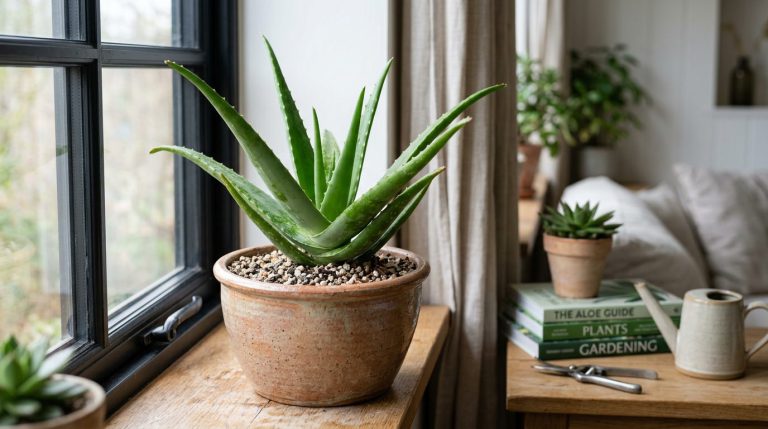
Aloe vera requires bright, indirect sunlight to maintain healthy growth in Canadian homes. Place your plant near south-facing windows, but avoid direct afternoon sun which can scorch the leaves, particularly during summer months in provinces like British Columbia where intense UV levels occur. During Canada’s shorter winter days, especially in northern regions above zone 5, supplement natural light with full-spectrum LED grow lights positioned 12-18 inches above the plant. East-facing windows provide ideal morning light conditions, while west-facing exposures work well with sheer curtains to diffuse harsh afternoon rays. Quebec residents often find that rotating plants weekly ensures even growth during the province’s variable winter light conditions.
Watering Aloe Vera Through Canadian Seasons
Water your aloe vera deeply but infrequently, allowing soil to dry completely between waterings. During Canadian summers from May through September, water every 10-14 days, checking soil moisture by inserting your finger 2 inches deep. Winter watering in heated Canadian homes requires extra caution, as reduced light and cooler temperatures slow plant metabolism. From October through March, extend watering intervals to 3-4 weeks, particularly in provinces like Manitoba where indoor heating creates very dry conditions. Always use room-temperature water and ensure complete drainage, as standing water quickly leads to root rot in Canada’s indoor growing conditions.
Soil and Repotting
Use a high-quality cactus and succulent potting mix, or create your own by combining regular potting soil with coarse sand and perlite in equal parts. Canadian garden centres typically carry suitable succulent soils, though brands like Pro-Mix offer reliable options across the country. Repot aloe vera every 2-3 years in spring, choosing containers only slightly larger than the root system. Ensure pots have drainage holes and consider adding a layer of small stones at the bottom for enhanced drainage. Terra cotta pots work exceptionally well in Canadian homes as they allow soil to dry more quickly than plastic containers, preventing the soggy conditions that damage succulent roots.
Temperature and Winter Care in Canada
Maintain indoor temperatures between 18-24°C (65-75°F) for optimal aloe vera growth. This temperature range aligns perfectly with typical Canadian home heating during winter months. Avoid placing plants near heating vents, radiators, or frequently opened doors where temperature fluctuations occur. In provinces like Newfoundland where coastal humidity varies dramatically, monitor plants for signs of stress during weather changes. While aloe vera can tolerate brief temperature drops to 10°C (50°F), prolonged exposure to cool conditions slows growth significantly. Never allow temperatures to drop below freezing, as this kills the plant immediately.
Common Problems and Solutions
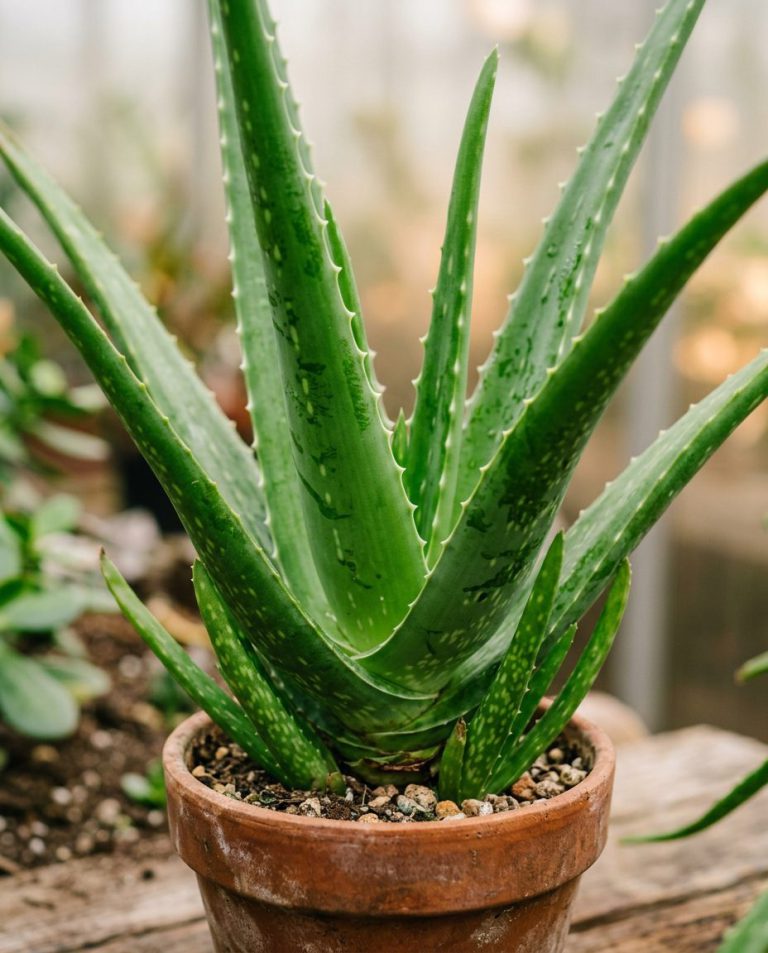
If you notice brown or black spots on leaves, this typically indicates overwatering or fungal issues common in Canada’s humid summer months. Reduce watering frequency and improve air circulation around the plant. If leaves appear pale or stretched, your aloe vera needs more light, particularly during Canadian winter months when natural illumination decreases significantly. Supplement with grow lights or relocate to a brighter window. If leaf tips turn brown, this often results from fluoride in Canadian tap water or low humidity levels. Use distilled water or allow tap water to sit overnight before watering. If the plant becomes top-heavy or produces numerous offsets, it’s time for repotting and division, which Canadian gardeners typically perform in late spring when plants enter active growth. If leaves become soft and mushy, root rot has likely developed due to excessive moisture, requiring immediate repotting in fresh, dry soil and reduced watering schedules.
Seasonal Care Tips in Canada
- Spring Resume regular watering as daylight hours increase and begin monthly fertilizing with diluted cactus fertilizer starting in April.
- Summer Provide morning sunlight but protect from intense afternoon rays, watering every 10-14 days when soil feels dry 2 inches deep.
- Fall Gradually reduce watering frequency as temperatures cool and daylight diminishes, stopping fertilizer applications by late September.
- Winter Water sparingly every 3-4 weeks, ensure adequate light with grow lights if necessary, and maintain consistent indoor temperatures above 15°C.
Recommended Aloe Vera Varieties in Canada
Canadian nurseries typically offer several aloe vera varieties well-suited to indoor growing conditions. These compact varieties adapt particularly well to the limited space and controlled conditions of Canadian homes. Most Canadian garden centers stock these varieties year-round, though spring selection offers the best quality plants. When purchasing, choose specimens with firm, plump leaves and avoid any showing signs of overwatering or pest damage.
Aloe Vera ‘Barbadensis Miller’
The classic medicinal aloe vera, this variety produces the highest quality gel for topical applications. Growing 12-24 inches tall, it’s perfectly sized for Canadian windowsills and produces offsets readily for propagation. This variety handles Canada’s dry winter air exceptionally well and maintains its therapeutic properties year-round when properly cared for.
Aloe Vera ‘Chinensis’
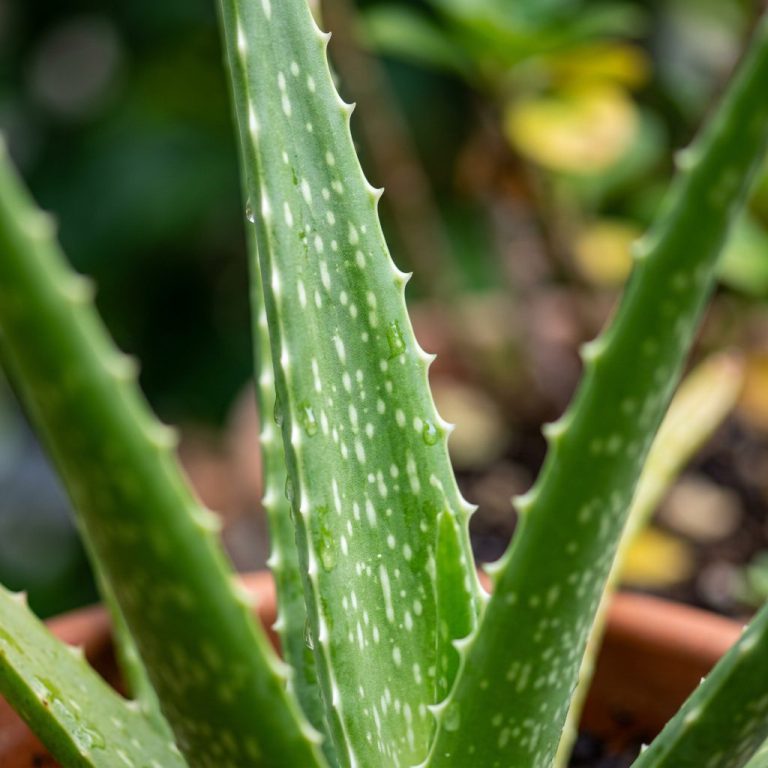
A more compact variety reaching only 8-12 inches, ideal for smaller Canadian homes or apartment living. This aloe vera cultivar produces beautiful spotted leaves and tolerates lower light conditions better than larger varieties, making it perfect for northern Canadian regions with limited winter sunlight. The smaller size makes it easier to manage during repotting and seasonal care adjustments.