


About Fiddle Leaf Fig
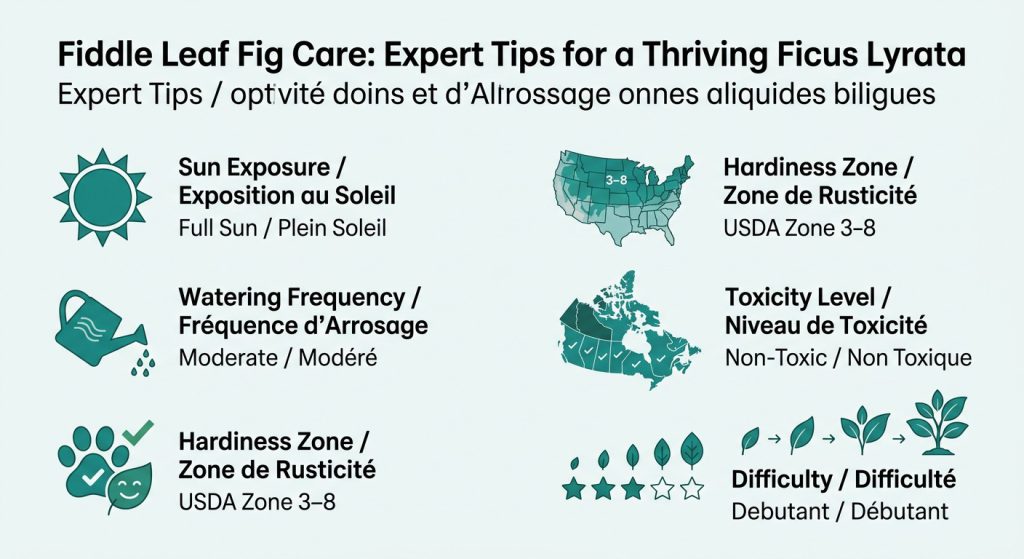
The fiddle leaf fig (Ficus lyrata) has become one of Canada’s most coveted houseplants, prized for its large, glossy leaves shaped like violin bodies. Native to western Africa, this tropical beauty has adapted remarkably well to indoor Canadian life, from Vancouver’s mild climate in USDA zone 8 to Montreal’s harsher conditions in zone 5. The fiddle leaf fig stands out as an architectural plant that can transform any room with its dramatic presence and sculptural form. Unlike many houseplants that remain compact, mature specimens can reach impressive heights of 6 to 10 feet indoors, making them perfect statement pieces for Canadian homes with high ceilings. Their thick, leathery leaves not only look stunning but also help purify indoor air during our long winter months when homes remain sealed against the cold.
Why Choose Fiddle Leaf Fig for Your Indoor Space?
Canadian homeowners gravitate toward the fiddle leaf fig for its exceptional ability to brighten indoor spaces during our extended winter season. In provinces like Alberta, where USDA zone 3 conditions keep us indoors for months, this plant provides a vital connection to nature with its bold, tropical appearance. The fiddle leaf fig excels as a living sculpture that requires minimal floor space while delivering maximum visual impact, making it ideal for urban Canadian apartments and condos where space comes at a premium.
Air Purification Benefits in Canadian Homes
During Canada’s heating season, when homes remain tightly sealed for energy efficiency, the fiddle leaf fig actively removes formaldehyde and other indoor air pollutants. This makes it particularly valuable in newer, well-insulated Canadian homes where air circulation can become limited. The large leaf surface area means one mature plant can significantly improve air quality in rooms up to 150 square feet, providing measurable health benefits throughout our long indoor season.
How to Grow Fiddle Leaf Fig in Canada
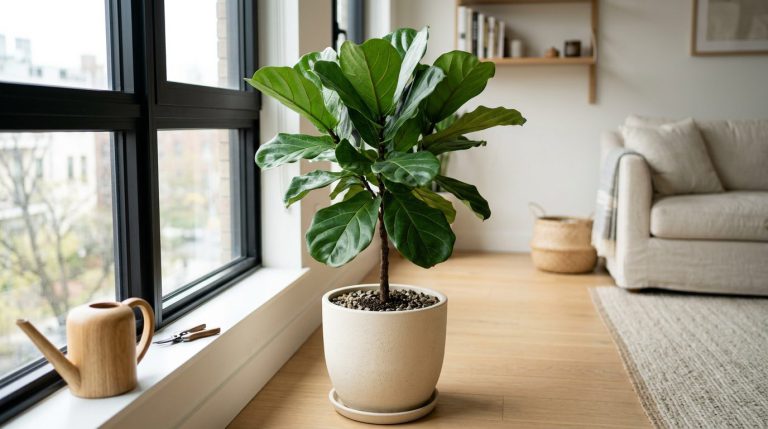
Light Requirements for Fiddle Leaf Fig
The fiddle leaf fig thrives in bright, indirect light, making south-facing windows ideal in most Canadian locations. In Ontario’s zone 6 climate, place your plant 3-6 feet from windows to avoid harsh summer sun while ensuring adequate winter light. During Canada’s shorter daylight hours from November through February, consider supplementing with grow lights, especially in northern regions like Saskatchewan where winter sun can be particularly limited.
Watering Fiddle Leaf Fig Through Canadian Seasons
Water your fiddle leaf fig when the top 2 inches of soil feel dry, typically every 7-10 days during summer and every 10-14 days in winter when indoor heating reduces humidity. Canadian tap water often contains chlorine and fluoride, so let water sit overnight before use or invest in a filter. During heating season across Canada, humidity levels can drop below 30%, so group plants together or use a humidifier to maintain the 40-60% humidity these plants prefer.
Soil and Repotting
Use a well-draining potting mix combining regular houseplant soil with perlite and bark chips to prevent root rot, a common problem in Canadian homes with inconsistent watering. Repot every 2-3 years in spring, choosing pots with drainage holes and moving up only one size. In Quebec’s variable spring temperatures, wait until consistent indoor temperatures above 18°C before repotting to reduce transplant shock.
Temperature and Winter Care in Canada
Maintain temperatures between 18-24°C year-round, keeping plants away from heating vents, drafty windows, and exterior doors during Canadian winters. In provinces like British Columbia where temperatures fluctuate frequently, monitor for cold drafts that can cause leaf drop. Never allow temperatures to drop below 15°C, and rotate plants weekly to ensure even growth since Canadian homes often have uneven light distribution during winter months.
Common Problems and Solutions
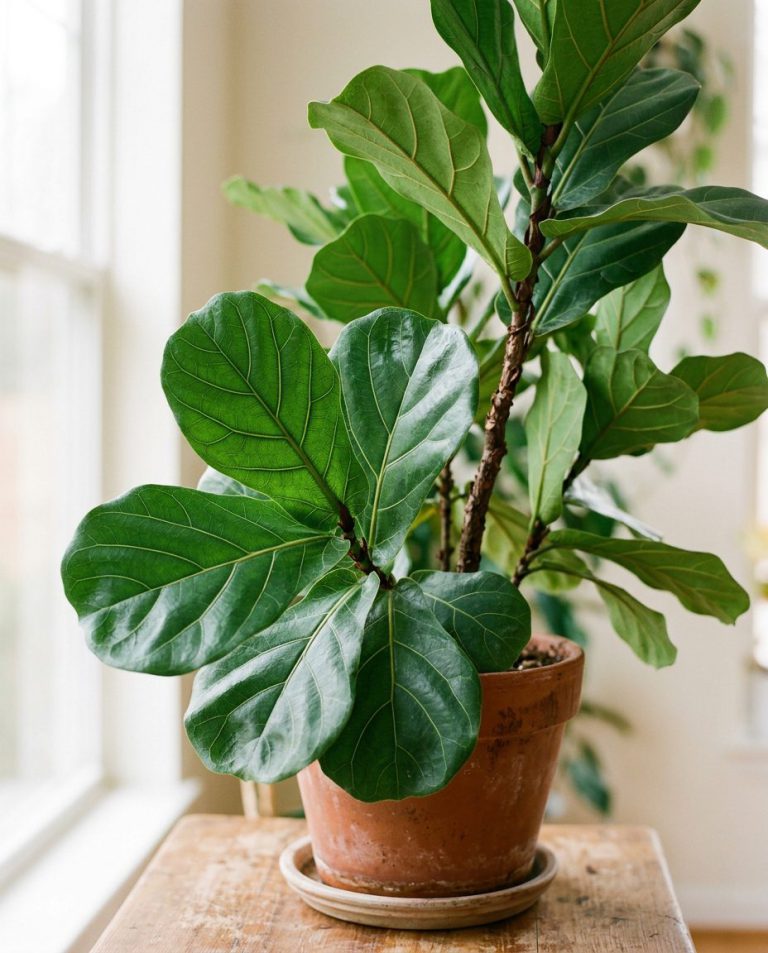
If you notice brown spots on leaves, reduce watering frequency and improve air circulation around your fiddle leaf fig, as overwatering combined with Canada’s lower winter light levels often causes fungal issues. When leaves turn yellow and drop, this typically indicates either overwatering or sudden temperature changes common in Canadian homes during heating season adjustments. If new growth appears small or pale, your plant needs more light, consider moving closer to windows or adding supplemental lighting during Canada’s darker months. Should leaves develop brown, crispy edges, increase humidity levels using a humidifier or pebble tray, as Canadian winter heating systems create extremely dry air conditions that stress tropical plants.
Seasonal Care Tips in Canada
- Spring Begin weekly watering as daylight increases and move plants closer to windows for enhanced growth after Canada’s dim winter months.
- Summer Maintain consistent watering schedule and provide morning sun protection during intense July heat waves common across southern Ontario and Quebec.
- Fall Gradually reduce watering frequency and check for pest infestations before heating season begins, as dry air encourages spider mites.
- Winter Water sparingly, maintain humidity above 40%, and rotate weekly since low-angle sunlight in Canadian winters creates uneven growth patterns.
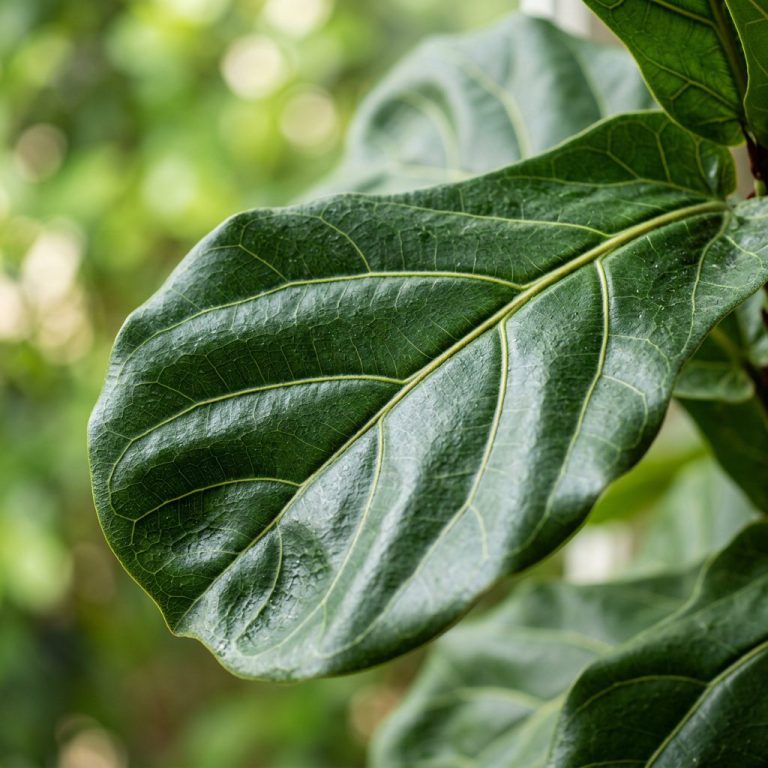
Recommended Fiddle Leaf Fig Varieties in Canada
Canadian nurseries primarily stock two varieties of fiddle leaf fig, both well-suited to indoor growing across our climate zones. These varieties are readily available from major garden centers in cities like Toronto, Calgary, and Vancouver, with online shipping available to most provinces during non-freezing months.
Ficus Lyrata Standard
The classic fiddle leaf fig variety features large, broad leaves and grows as a single-trunk tree, perfect for corner placement in Canadian living rooms. This variety adapts well to the lower light conditions common in Canadian homes during winter months and typically reaches 6-8 feet indoors with proper care.
Ficus Lyrata Compacta
A more compact variety with smaller leaves and bushier growth habit, ideal for Canadian apartments and smaller spaces. This variety tolerates the fluctuating indoor conditions common in Canadian homes better than the standard variety, making it excellent for beginning plant parents across all provinces.