


About Snake Plant
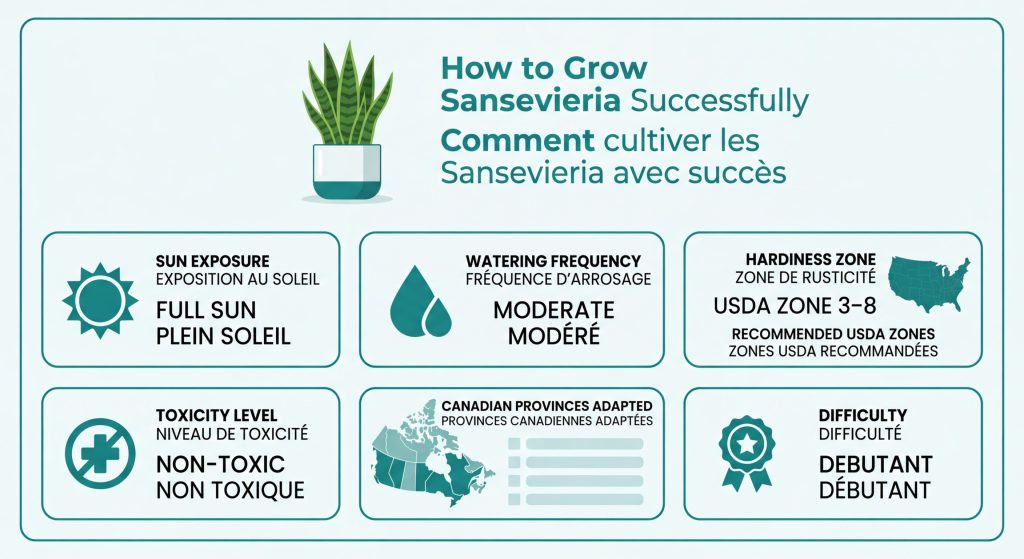
The snake plant (Sansevieria trifasciata) stands as one of the most dependable houseplants for Canadian homes, earning its reputation through decades of thriving in our diverse climate conditions. Originally native to West Africa, this architectural succulent has become a cornerstone of indoor gardening across Canada, from the mild coastal regions of British Columbia (USDA zone 8-9) to the harsh winters of northern Ontario (USDA zone 3-4). Known for its striking upright leaves with distinctive green and yellow variegation, the snake plant delivers both visual impact and practical benefits that make it ideal for Canadian households dealing with long, dark winters and variable indoor humidity levels.
What sets the snake plant apart in the Canadian context is its remarkable tolerance for neglect and adverse conditions. During our extended heating season, when indoor air becomes particularly dry and natural light diminishes significantly, this resilient plant continues to purify air and maintain its structural beauty. Canadian gardeners appreciate that snake plants require no special equipment or complex care routines, making them perfect for busy lifestyles and novice plant parents alike.
Why Choose Snake Plant for Your Indoor Space?
The snake plant offers unmatched advantages for Canadian indoor environments, particularly during our challenging winter months when heating systems create dry, stagnant air conditions. This exceptional houseplant actively improves indoor air quality by removing formaldehyde, xylene, and nitrogen oxides, making it especially valuable in well-sealed Canadian homes designed for energy efficiency. Unlike many tropical plants that struggle with the low humidity levels common in heated Canadian homes (often dropping below 30%), the snake plant actually thrives in these conditions.
Perfect for Canadian Light Conditions
Canadian homes often feature limited natural light during winter months, with some regions experiencing as few as 7-8 hours of daylight. The snake plant excels in these low-light conditions, maintaining its growth and coloration even in north-facing rooms or basement spaces. From the short daylight hours of Yukon Territory (USDA zone 1-3) to the moderate light conditions of southern Ontario (USDA zone 6-7), this adaptable plant adjusts its metabolism to available light without complaint, making it ideal for condominiums, apartments, and homes with smaller windows typical of energy-efficient Canadian construction.
How to Grow Snake Plant in Canada
Light Requirements for Snake Plant
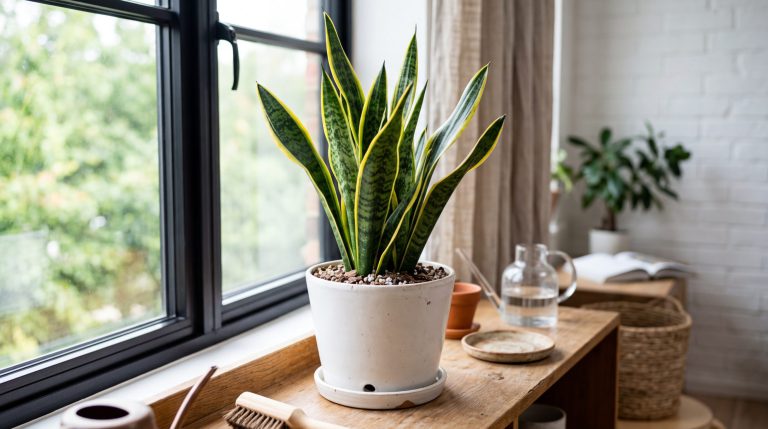
Snake plants demonstrate remarkable flexibility with lighting conditions throughout Canadian homes, tolerating everything from bright indirect light near south-facing windows to the dim conditions of interior hallways. While they prefer bright, indirect light, they adapt beautifully to the reduced daylight hours experienced across Canada during winter months. In provinces like Saskatchewan and Manitoba, where winter daylight can be limited to 8 hours daily, snake plants maintain their health and continue slow, steady growth. Avoid placing them in direct summer sunlight, which can scorch the leaves, but feel confident positioning them anywhere from bright living rooms to dimmer bedrooms or offices.
Watering Snake Plant Through Canadian Seasons
The key to successful snake plant care in Canada lies in understanding seasonal watering adjustments. During our active growing season (May through September), water when the top 2-3 inches of soil feel completely dry, typically every 2-3 weeks. However, during Canadian winters when indoor heating reduces humidity and the plant enters dormancy, reduce watering to once monthly or even less frequently. In provinces like Alberta and British Columbia, where winter indoor humidity can drop to 20-25%, the snake plant’s succulent nature becomes particularly valuable, storing water in its thick leaves and requiring minimal supplemental watering.
Soil and Repotting
Canadian snake plant enthusiasts should prioritize excellent drainage, as our long heating seasons can create inconsistent moisture levels in standard potting mixes. Use a well-draining succulent or cactus mix, or create your own by combining regular potting soil with coarse sand and perlite in equal parts. Repotting becomes necessary every 3-5 years when the plant becomes rootbound, typically indicated by roots circling the pot’s bottom or pushing through drainage holes. Choose a pot only slightly larger than the current one, as snake plants prefer being slightly rootbound and oversized containers can lead to overwatering issues common in Canadian indoor environments.
Temperature and Winter Care in Canada
Snake plants thrive in the temperature ranges typical of Canadian homes, preferring consistent temperatures between 18-27°C (65-80°F). They tolerate the temperature fluctuations common in Canadian homes during winter, when heating systems cycle on and off, but should be kept away from direct heat sources like baseboard heaters or forced-air vents. During extreme cold snaps common in provinces like Quebec and Ontario, ensure plants are positioned away from windows where cold drafts might cause temperature drops below 10°C (50°F), which can damage the foliage and slow growth significantly.
Common Problems and Solutions
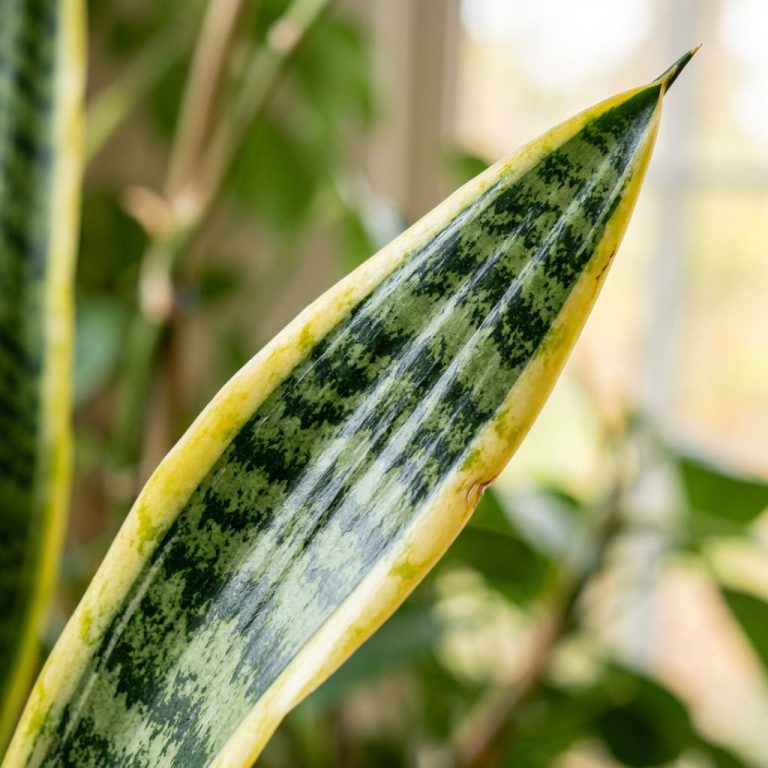
If you notice yellowing leaves on your snake plant, this typically indicates overwatering, particularly common during Canadian winters when reduced light slows the plant’s water uptake. Reduce watering frequency and ensure proper drainage, allowing soil to dry completely between waterings. If you observe brown, mushy sections at the base of leaves, root rot has likely developed due to excess moisture; remove affected leaves at soil level and drastically reduce watering while improving drainage.
Should you discover small, brown scale insects on leaf surfaces, these common Canadian houseplant pests can be controlled with regular wiping using rubbing alcohol on a soft cloth. If leaves begin splitting lengthwise, this usually results from rapid temperature changes or overwatering, both issues easily prevented by maintaining consistent care routines. When leaf tips turn brown and crispy, this often indicates low humidity levels typical in Canadian homes during heating season; increase humidity around the plant using a pebble tray or room humidifier, though snake plants generally tolerate dry air better than most houseplants.
Seasonal Care Tips in Canada
- Spring Resume regular watering as daylight hours increase and begin monthly fertilizing with diluted houseplant fertilizer to support new growth emerging from winter dormancy.
- Summer Maintain consistent watering schedule every 2-3 weeks and consider moving plants outdoors to shaded patios in warmer provinces like southern Ontario and British Columbia for increased air circulation.
- Fall Gradually reduce watering frequency as temperatures drop and daylight decreases, preparing the plant for winter dormancy while checking for any pest issues before heating season begins.
- Winter Water sparingly (monthly or less), stop fertilizing completely, and position away from heating vents while maintaining stable indoor temperatures between 18-24°C.
Recommended Snake Plant Varieties in Canada
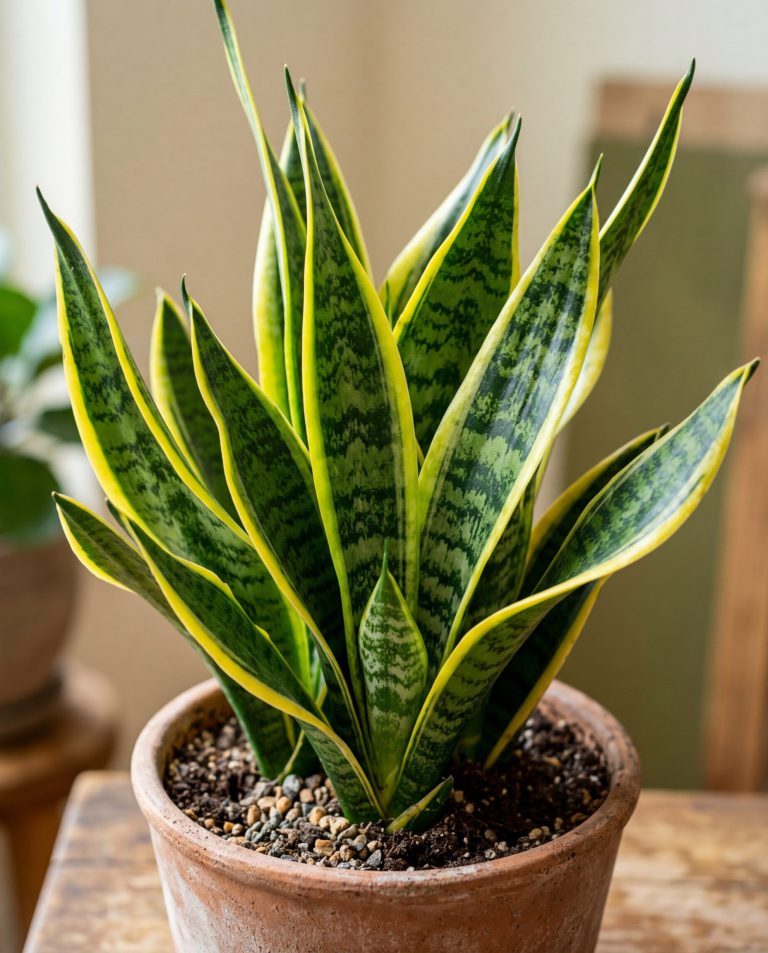
Several snake plant varieties perform exceptionally well in Canadian indoor conditions, with most readily available through local nurseries and garden centers across the country. The classic Sansevieria trifasciata ‘Laurentii’ remains the most popular choice for its reliable growth and striking yellow-edged leaves, while compact varieties like ‘Hahnii’ work perfectly in smaller Canadian condominiums and apartments where space is limited.
Sansevieria trifasciata ‘Laurentii’
This traditional variety features distinctive yellow borders on dark green leaves and adapts beautifully to Canadian indoor conditions, reaching 60-90cm in height. Available at most Canadian nurseries, ‘Laurentii’ demonstrates exceptional tolerance for the dry indoor air common during our heating season and maintains its striking coloration even in lower light conditions typical of Canadian homes during winter months.
Sansevieria trifasciata ‘Hahnii’
Known as the bird’s nest snake plant, this compact variety forms attractive rosettes that rarely exceed 20-30cm in height, making it perfect for Canadian apartment living and smaller spaces. ‘Hahnii’ offers the same low-maintenance characteristics as its larger relatives while fitting comfortably on desks, side tables, and bathroom counters throughout Canadian homes, thriving in the consistent temperatures maintained in modern Canadian residences.