


About ZZ Plant
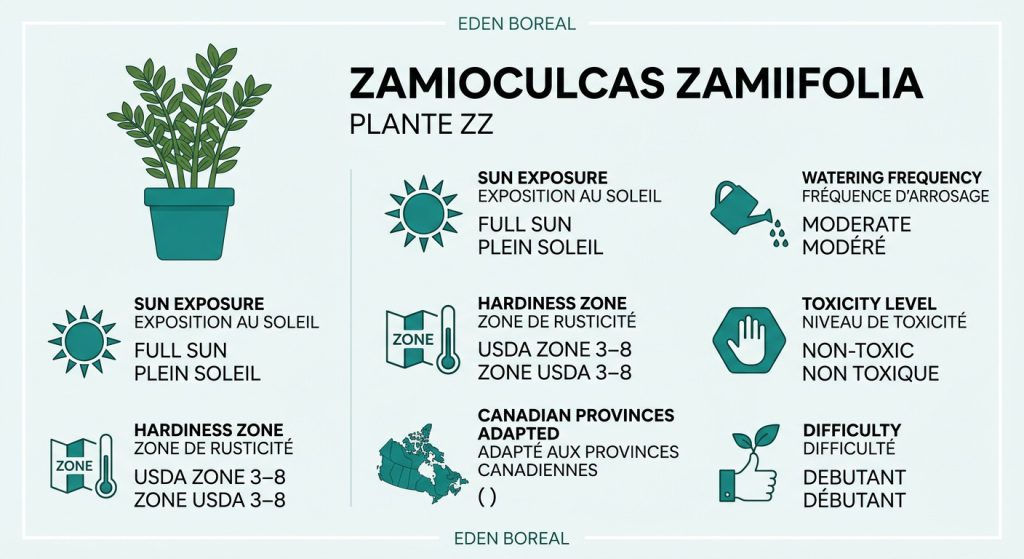
The zz plant (Zamioculcas zamiifolia) stands as one of the most resilient and forgiving houseplants available to Canadian gardeners. Native to eastern Africa, this striking plant has earned its reputation as the ultimate low-maintenance companion for indoor spaces across Canada, from the mild coastal climate of British Columbia (USDA zone 8-9) to the harsh winters of Manitoba (USDA zone 2-3). The zz plant features glossy, dark green leaflets arranged along thick, upright stems that emerge from underground rhizomes, creating an elegant architectural presence in any room. Its exceptional drought tolerance and ability to thrive in low-light conditions make it particularly valuable for Canadian homes during our long winter months when natural light is scarce. Whether you’re a beginner gardener in Toronto or an experienced plant enthusiast in Vancouver, the zz plant adapts beautifully to indoor environments throughout all Canadian provinces and territories.
Why Choose ZZ Plant for Your Indoor Space?
Canadian gardeners face unique challenges when selecting houseplants, particularly the extreme seasonal variations in light and temperature that characterize our climate. The zz plant excels in these conditions, making it an ideal choice for homes from Alberta’s USDA zone 3 regions to Nova Scotia’s milder zone 6 areas. Unlike many tropical houseplants that struggle during Canada’s dark winter months, the zz plant maintains its vibrant appearance with minimal natural light, thriving under standard indoor lighting conditions. Its water storage capabilities in both leaves and rhizomes mean you can travel during Canadian holidays without worrying about plant care, and it recovers quickly from occasional neglect.
Exceptional Durability for Canadian Homes
The zz plant’s resilience makes it perfect for the varying indoor conditions found in Canadian homes, where heating systems create dry air during winter months and air conditioning affects summer humidity levels. This adaptability, combined with its slow growth rate and minimal fertilizer requirements, creates a perfect houseplant for busy Canadian lifestyles. Whether placed in a downtown Toronto condo or a rural Saskatchewan farmhouse, the zz plant maintains its glossy foliage and upright growth pattern year-round, requiring repotting only every 2-3 years.
How to Grow ZZ Plant in Canada
Light Requirements for ZZ Plant
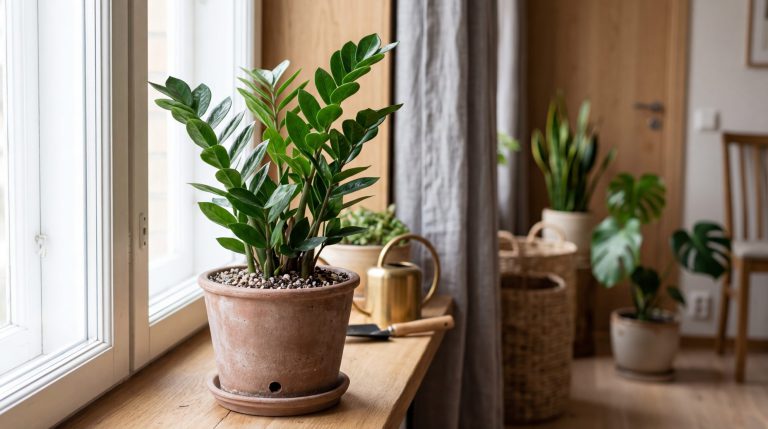
The zz plant thrives in bright, indirect light but adapts remarkably well to low-light conditions, making it perfect for Canadian homes with limited natural light during winter months. Place your zz plant near north-facing windows in provinces like Quebec or Ontario, where harsh direct sunlight can scorch the leaves. In British Columbia’s cloudier coastal regions, the plant performs well even in dimmer locations such as hallways or offices with fluorescent lighting. Avoid placing the plant in south-facing windows with intense direct sunlight, particularly during summer months across the Prairie provinces where sunlight intensity peaks.
Watering ZZ Plant Through Canadian Seasons
Proper watering varies significantly with Canada’s seasonal changes and indoor heating patterns. During winter months in regions like Alberta (USDA zone 3-4), when homes are heated and humidity drops, water your zz plant only when the top 2-3 inches of soil feel completely dry, typically every 3-4 weeks. In summer, particularly in humid provinces like New Brunswick, increase watering frequency slightly to every 2-3 weeks. Always use room-temperature water and ensure excess water drains completely from the saucer to prevent root rot, which becomes more likely in the damp conditions common to Maritime provinces.
Soil and Repotting
The zz plant requires well-draining potting mix that prevents water accumulation around the roots. Create an ideal growing medium by mixing standard potting soil with perlite or coarse sand, ingredients readily available at Canadian garden centers from Home Depot to local nurseries. Repot every 2-3 years or when roots become pot-bound, typically during late spring when natural light increases across Canadian regions. Choose a pot only slightly larger than the current container, as zz plants prefer being slightly root-bound and oversized pots can lead to overwatering issues common in Canada’s variable indoor humidity conditions.
Temperature and Winter Care in Canada
The zz plant adapts well to typical Canadian indoor temperatures, thriving in the 18-24°C range maintained by most home heating systems. During winter months in colder regions like Saskatchewan or northern Ontario, keep plants away from heating vents and cold drafts from windows. The plant tolerates temperature fluctuations better than most houseplants, making it suitable for homes with inconsistent heating or seasonal cottages. In apartments or condos with radiant heating systems common in Quebec, ensure adequate air circulation around the plant to prevent fungal issues that can develop in stagnant air conditions.
Common Problems and Solutions
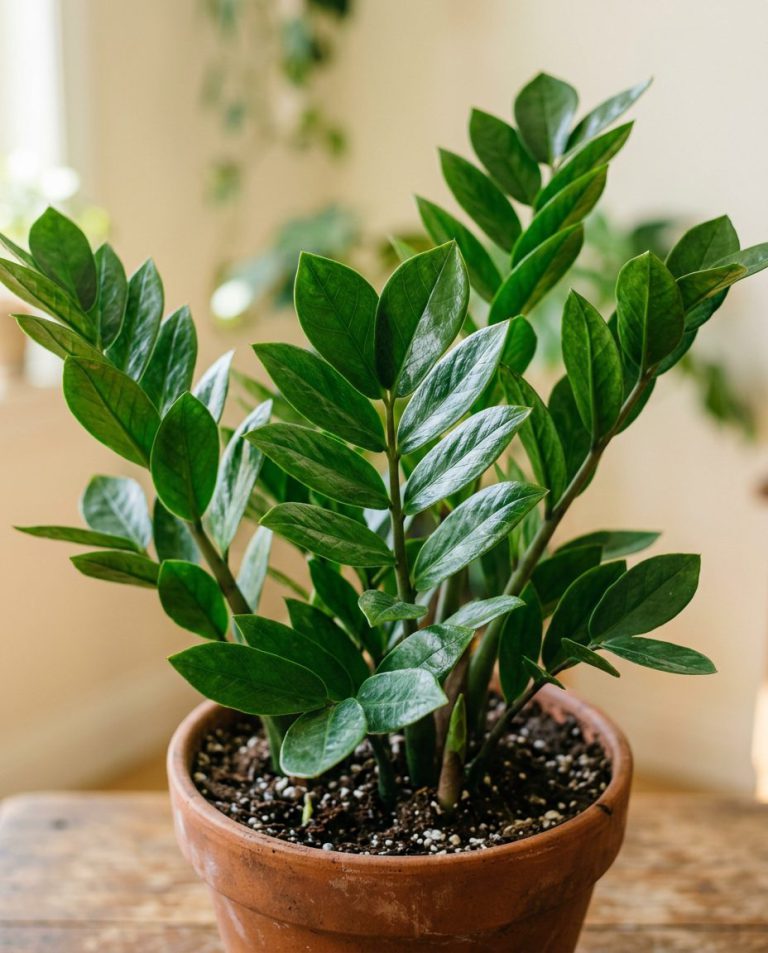
If you notice yellow leaves on your zz plant, this typically indicates overwatering, particularly common during Canadian winter months when plant growth slows and water needs decrease significantly. Reduce watering frequency and ensure proper drainage to resolve this issue. If leaves appear wrinkled or the plant looks droopy, increase watering slightly, as this signals underwatering, though this is less common than overwatering issues. Brown leaf tips often result from low humidity caused by indoor heating systems prevalent across Canadian homes during winter, remedy this by placing a humidity tray nearby or using a room humidifier. If you notice small, brown scale insects on leaves, wipe them off with rubbing alcohol on a cotton swab and increase air circulation around the plant. Stunted growth typically indicates the plant needs repotting or has been placed in too low light conditions, move it closer to a window or consider supplemental grow lights during Canada’s shorter winter days.
Seasonal Care Tips in Canada
- Spring Resume regular watering as daylight hours increase and begin monthly feeding with diluted houseplant fertilizer starting in April across most Canadian regions.
- Summer Monitor soil moisture more frequently during warmer months, particularly in air-conditioned homes, and provide bright indirect light without direct sun exposure.
- Fall Gradually reduce watering frequency as temperatures drop and daylight decreases, discontinue fertilizing by October to prepare for winter dormancy.
- Winter Water sparingly only when soil is completely dry, keep away from heating vents, and consider supplemental humidity during Canada’s dry indoor heating season.
Recommended ZZ Plant Varieties in Canada
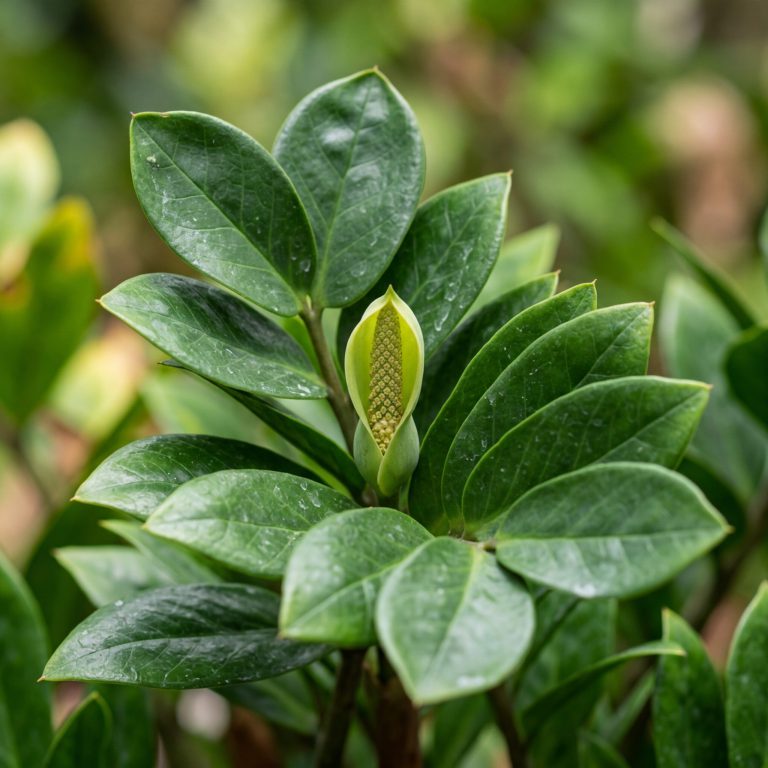
Several zz plant varieties perform exceptionally well in Canadian indoor environments and are available through major garden centers and specialty plant retailers across the country. These cultivars offer different aesthetic options while maintaining the species’ renowned durability and low-maintenance requirements that make them perfect for Canadian growing conditions.
ZZ Raven
The ZZ Raven features dramatic black-purple foliage that emerges bright green and gradually darkens with maturity, creating a striking contrast in Canadian homes with neutral decor. This variety requires the same minimal care as the standard zz plant but provides unique visual interest, particularly popular in urban centers like Toronto and Vancouver where bold houseplant choices are trending.
ZZ Zenzi
The ZZ Zenzi offers a more compact growth habit with smaller, rounder leaflets, making it perfect for smaller Canadian living spaces such as condos and apartments common in cities like Montreal and Calgary. This dwarf variety maintains all the drought tolerance and low-light adaptability of its larger cousin while fitting comfortably on desks, shelves, and compact plant displays throughout Canadian homes.