

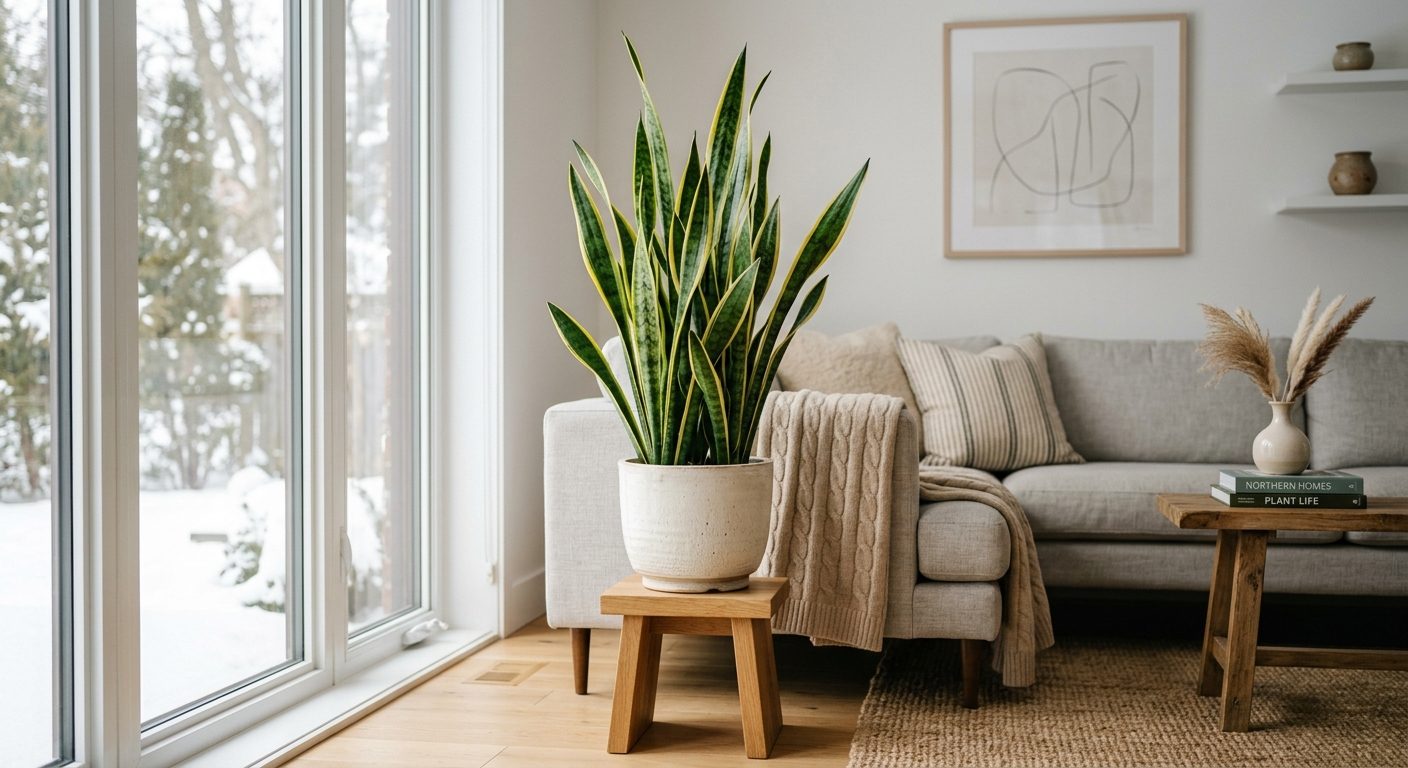
About Snake Plant
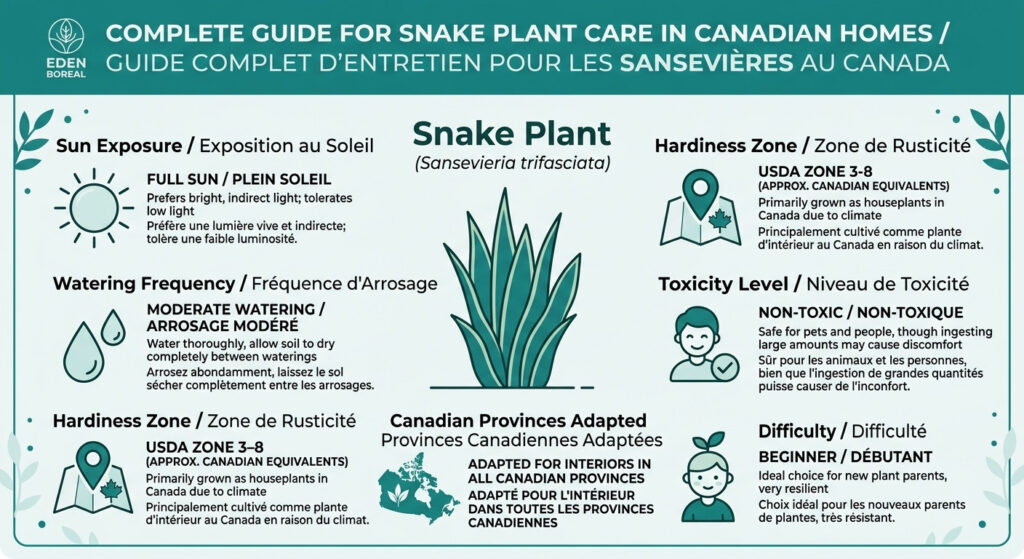
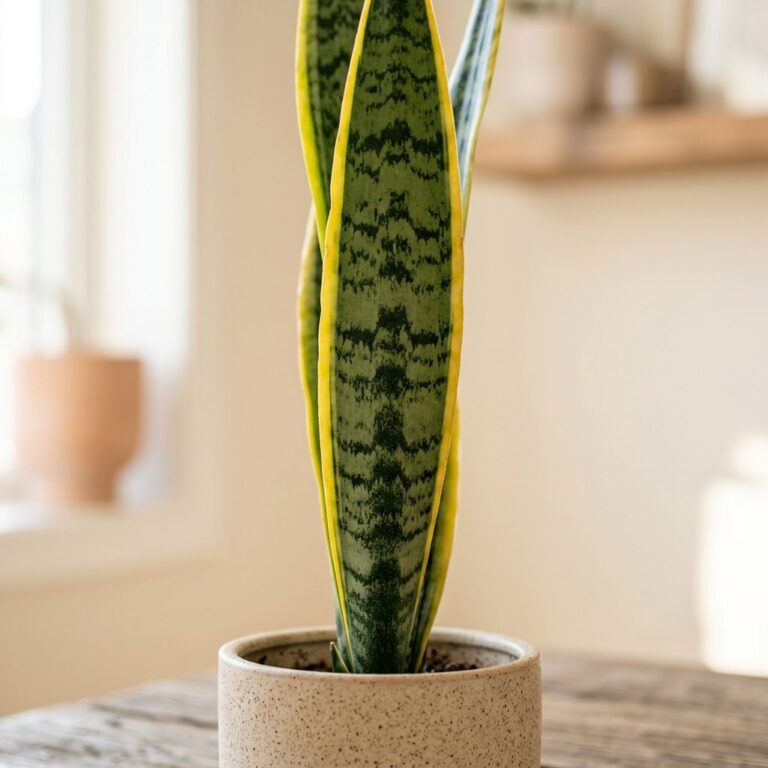
The Sansevieria trifasciata, commonly known as the snake plant or mother-in-law’s tongue, stands as one of the most forgiving houseplants available to Canadian gardeners. Native to the arid regions of West Africa, this architectural succulent has adapted remarkably well to indoor environments across all Canadian provinces, from Zone 3 apartments in Winnipeg to Zone 8 homes in coastal British Columbia. Its striking vertical blades, often variegated with yellow or silver edges, add sculptural interest to any space while requiring minimal attention. What makes this plant exceptional for Canadian homes is its tolerance of the dry indoor air created by our heating systems during long winters, combined with an ability to survive weeks of neglect. Whether you’re a beginner in Montreal or an experienced plant collector in Calgary, the snake plant delivers consistent performance with almost no effort, making it the perfect gateway plant for building confidence in indoor gardening.
| Characteristic | Value |
|---|---|
| Botanical name | Sansevieria trifasciata |
| Plant type | Succulent |
| Mature size | 60 to 120 cm tall, 30 to 45 cm wide |
| Light | Low to bright indirect light |
| Watering | Every 2 to 4 weeks, allow soil to dry completely |
| Ideal temperature | 15 to 29 degrees Celsius |
| Humidity | 30 to 50 percent |
| Hardiness zones (outdoors) | Zone 9 to 11 (indoor only in Canada) |
| Toxicity | Yes, toxic to cats and dogs |
| Difficulty level | Beginner |
Why Choose Snake Plant for Your Home?
Snake plants offer unique advantages for Canadian indoor environments that few other houseplants can match. As a drought-tolerant succulent, it thrives in the low humidity conditions typical of heated homes from October through April across Ontario, Quebec, and the Prairie provinces. The plant’s air-purifying qualities have been documented by NASA research, removing toxins like formaldehyde and benzene while converting CO2 to oxygen at night, unlike most plants. This makes it ideal for bedrooms in condos and apartments where space is limited. For renters and busy professionals in Toronto, Vancouver, or Halifax, the snake plant’s ability to survive 2 to 4 weeks without water means you can travel without arranging plant care. Its vertical growth habit maximizes visual impact while occupying minimal floor space, perfect for urban Canadian living where square footage comes at a premium. The plant tolerates the full spectrum of indoor light conditions, from north-facing windows in Edmonton to bright south-facing exposures in Victoria, adapting its growth rate accordingly without complaint.
Natural Air Filtration for Canadian Winters
During our sealed-up winter months when opening windows isn’t practical, snake plants continue photosynthesizing and filtering air through their thick, fleshy leaves. A single mature plant in a 10 to 15 square metre room can measurably improve air quality, particularly beneficial in newer, tightly-sealed Canadian homes and condos where off-gassing from furniture and building materials accumulates. Unlike humidifier-dependent tropical plants that struggle in our dry winter air (often dropping to 20 to 30 percent humidity), Sansevieria evolved in arid conditions and actually prefers the same environment your heating system creates.
Snake Plant Growing Guide for Canada
Ideal Light for Snake Plant
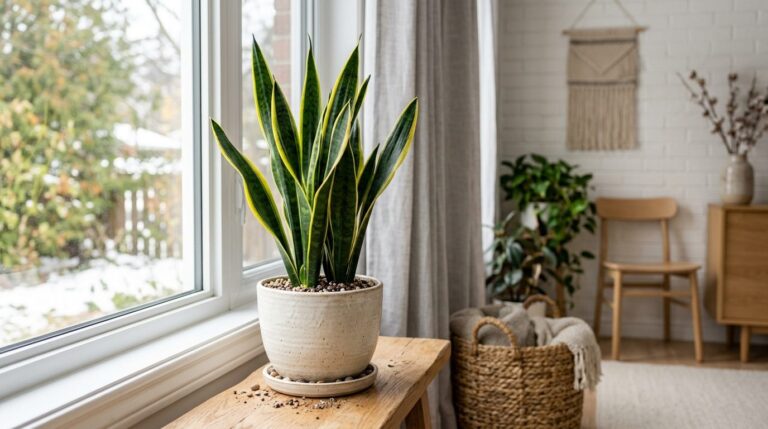
Snake plants demonstrate remarkable flexibility with light conditions, surviving in low-light corners yet growing faster in brighter spots. In Canadian homes, they perform well in indirect sunlight from east or west-facing windows, which provide gentle morning or afternoon sun without scorching the leaves. A south-facing window works if the plant sits 1 to 2 metres back from the glass or behind a sheer curtain, particularly important during intense summer sun in southern Ontario or Alberta. Surprisingly, snake plants also tolerate north-facing exposures and interior rooms with only artificial light, though growth slows considerably. In low light, expect your plant to maintain its current size rather than producing new leaves. Avoid sudden moves from shade to direct sun, which can cause pale, sunburned patches on the foliage. If you notice leaves leaning dramatically toward a window in Calgary or Saskatoon, rotate your pot a quarter-turn monthly to encourage even, upright growth. The variegated yellow-edged varieties like Sansevieria Laurentii need slightly brighter conditions to maintain their striping compared to solid green cultivars.
Watering Snake Plant Through Canadian Seasons
Mastering the watering schedule is the single most important skill for snake plant success, and fortunately, it’s simple: when in doubt, don’t water. Overwatering causes more snake plant deaths than all other factors combined, particularly in Canadian homes where cool temperatures and low winter light slow the plant’s water uptake. From November through March in most provinces, water only when the soil has been completely dry for at least one week, typically translating to once every 3 to 4 weeks. Check by inserting your finger 5 centimetres into the soil; if you feel any moisture, wait. During the brighter, warmer months of May through September, you can increase to every 2 to 3 weeks, but always let the soil dry thoroughly between waterings. When you do water, do it properly: take the plant to your sink, water until liquid runs from the drainage holes, let it drain completely, then return it to its decorative pot. Never let the pot sit in standing water. In humid summer months in Vancouver or Halifax, you may need even less frequent watering than in dry Prairie climates. The thick, fleshy leaves store water like a camel’s hump, allowing the plant to coast through extended dry periods that would kill most houseplants.
Soil Mix and Repotting
Snake plants require well-draining soil that prevents water from pooling around the roots. A commercial succulent soil or cactus mix from Canadian garden centres like Home Depot or Canadian Tire works perfectly, or create your own by mixing 2 parts regular potting soil with 1 part coarse sand or perlite. The key is ensuring water flows through quickly rather than sitting heavy and soggy. Always use pots with drainage holes; decorative cache pots without drainage should only serve as outer sleeves. Snake plants actually perform better when slightly rootbound, so repotting is rarely necessary, perhaps once every 3 to 5 years. When you do repot, choose a container only 2 to 3 centimetres wider than the current one. The best time for repotting in Canada is late April or May, just as increasing daylight triggers new growth. If you notice roots circling densely at the soil surface or pushing through drainage holes in your Edmonton or Ottawa apartment, it’s time to size up. Use this opportunity to divide overcrowded clumps into multiple plants, ensuring each division has at least 3 to 4 leaves and attached roots.
Temperature and Overwintering in Canada
Snake plants thrive in typical Canadian indoor temperatures of 18 to 24 degrees Celsius, the same range comfortable for humans. They tolerate brief dips to 10 degrees but suffer damage below 5 degrees, so keep them away from drafty windows during Prairie or Quebec winters where temperatures can plummet overnight. Avoid placing plants directly above heating vents or radiators, which create hot, dry microclimates that can brown leaf tips. The good news for Canadian growers is that snake plants don’t require the temperature drop or dormancy period that some houseplants need. They’ll continue slow growth year-round in consistent indoor conditions, though growth naturally slows during our short winter days when daylight drops to 8 hours or less in December and January. If you summer your snake plant outdoors on a Toronto balcony or Vancouver patio, bring it inside well before first frost, typically by late September in most regions. The transition indoors should happen while nighttime temperatures still stay above 10 degrees Celsius to avoid shocking the plant. Remember that outdoor snake plants will need more frequent watering due to increased light, heat, and air circulation, but still allow the soil to dry between waterings.
Fertilizing Your Snake Plant
Snake plants are low-maintenance when it comes to feeding, requiring minimal fertilization compared to heavy feeders like tomatoes or roses. During the active growing season from April through September, apply a balanced, water-soluble houseplant fertilizer diluted to half strength once every 4 to 6 weeks. A 10-10-10 or 20-20-20 formula works well and is readily available at Canadian Tire, Rona, or local garden centres across all provinces. Always fertilize when the soil is already moist to avoid burning roots, ideally the day after your regular watering. From October through March, suspend all fertilizing; the plant’s metabolism slows dramatically in low winter light, and unused nutrients can accumulate to toxic levels in the soil. Over-fertilizing causes more harm than under-fertilizing with snake plants. If you forget to fertilize for an entire year, your plant will likely show no ill effects beyond slightly slower growth. Signs of fertilizer burn include brown, crispy leaf tips and edges, white crusty deposits on the soil surface, or sudden leaf yellowing. If this occurs in your Calgary or Montreal home, flush the soil thoroughly with plain water, letting it drain completely, and skip fertilizing for the next 3 months.
How to Propagate Sansevieria
Snake plant propagation is straightforward and rewarding, offering two reliable methods suited to Canadian indoor conditions. The division method is fastest: when repotting, use a clean, sharp knife to separate the rhizome (underground stem) into sections, ensuring each has at least 3 leaves and some roots attached. Plant divisions immediately in succulent soil, water lightly, and place in bright indirect light. You’ll have established plants within weeks. The second method, leaf cuttings, takes longer but produces more plants. Cut a healthy leaf into 5 to 8 centimetre sections using sterilized scissors, noting which end was closest to the soil (polarity matters). Let cut ends dry for 24 hours to callus over, preventing rot. Then choose your rooting medium: water or soil. For water propagation, place cuttings in a glass with 2 to 3 centimetres of water, changing it weekly, and wait 4 to 8 weeks for roots to develop before potting. Soil propagation involves inserting the bottom third of each cutting into moist succulent mix, then keeping it in a warm spot (20 to 24 degrees Celsius) with bright indirect light. Soil rooting often succeeds better in dry Canadian winter air where water-rooted cuttings can struggle with the transition. Note that variegated varieties like Laurentii will revert to solid green when grown from leaf cuttings; only division preserves the yellow striping. Spring and early summer offer the best success rates across Ontario, Quebec, and Western provinces when increasing daylight supports new root development.
Common Problems and Solutions
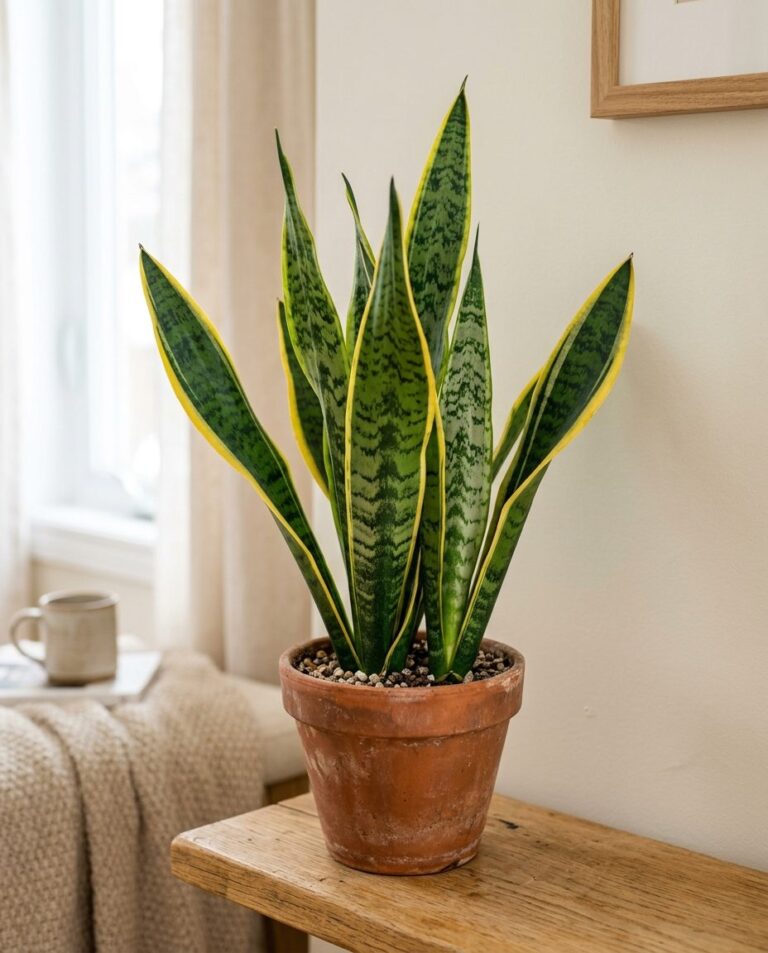
If you notice yellow leaves on your snake plant, overwatering is the most likely culprit, especially during Canadian winters when the plant needs minimal moisture. Check the soil; if it’s soggy or smells musty, you’re watering too frequently. Let it dry completely, then reduce your watering schedule to once every 3 to 4 weeks. If the yellowing leaf feels mushy at the base, root rot has begun. Remove the plant from its pot, trim away any black or brown roots with sterilized scissors, repot in fresh well-draining soil, and water sparingly going forward. For brown, crispy leaf tips, the cause is typically low humidity (common in heated Canadian homes), fluoride in tap water, or fertilizer burn. While snake plants tolerate dry air, extreme conditions below 20 percent humidity can cause tip browning. Switch to filtered or distilled water if your municipal supply is heavily treated, and ensure you’re not over-fertilizing. If leaves are curling or wrinkling lengthwise, the plant is severely underwatered (rare but possible if neglected for 2+ months) or experiencing cold damage from a drafty window in Winnipeg or Edmonton winters. Move it to a warmer location away from cold glass and give it a thorough watering. Spider mites and mealybugs occasionally attack stressed snake plants, appearing as fine webbing or white cottony clusters at leaf bases. Wipe leaves with a cloth dipped in rubbing alcohol, or spray with insecticidal soap available at Canadian garden centres, repeating weekly for 3 weeks. If leaves are leaning or falling over despite adequate light, the pot may be too large, the soil staying too wet, or the plant needs division to reduce overcrowding at the base.
Seasonal Tips for Canada
- Spring – As daylight increases in March and April, resume monthly fertilizing at half strength and watch for new leaf spears emerging from the soil. This is the ideal time for repotting or dividing overcrowded plants in Toronto, Montreal, or Vancouver before the active growing season begins.
- Summer – Increase watering frequency slightly to every 2 to 3 weeks as higher light and temperatures boost the plant’s metabolism, but always verify the soil is dry before watering. If moving your snake plant to an outdoor patio or balcony in Calgary or Halifax, acclimate it gradually over 7 to 10 days to prevent sunburn, starting with morning sun only.
- Fall – Begin reducing watering frequency as daylight diminishes in September and October, and bring any outdoor plants inside before nighttime temperatures drop below 10 degrees Celsius. Stop fertilizing by late October across all Canadian zones to prepare the plant for winter dormancy.
- Winter – Water sparingly, only every 3 to 4 weeks or when soil has been dry for at least one week, as low light and indoor heating create challenging conditions. Keep plants away from cold window drafts in Prairie and Eastern provinces where temperatures can drop dramatically, and avoid placing them directly above heat sources that cause extreme dryness.
Recommended Snake Plant Varieties for Canada
While the classic Sansevieria trifasciata remains the most widely available and reliable choice at Canadian nurseries from coast to coast, several distinctive varieties offer visual interest for collectors. These cultivars share the same easy-care requirements as the species, thriving in the same conditions across all provinces and USDA zones when grown indoors. Most specialty varieties can be found at independent garden centres in major cities like Toronto, Vancouver, Calgary, and Montreal, or ordered online from Canadian plant retailers during warmer months when shipping is safe.
Sansevieria Laurentii
The most popular variegated form, Laurentii displays striking yellow margins running the length of each upright blade, creating a bold vertical accent in any Canadian home. This variety maintains its variegation only when propagated by division rather than leaf cuttings. It grows slightly slower than the all-green species but tolerates the same low-light to bright indirect conditions, making it perfect for condos and apartments across Ontario and Quebec where dramatic foliage is desired without added care requirements.
Whale Fin Sansevieria
Also sold as Sansevieria masoniana, this dramatic variety produces single, paddle-shaped leaves that can reach 60 to 90 centimetres tall and 15 to 20 centimetres wide, resembling a whale’s fin breaching the soil surface. The mottled green patterns create sculptural interest in minimalist Canadian interiors. While less common than traditional snake plants, Whale Fin is increasingly available at specialty nurseries in Vancouver, Calgary, and Toronto. It requires identical care: infrequent watering, well-draining soil, and tolerance of typical indoor temperatures, making it an easy conversation piece for the beginner grower looking to expand beyond the standard upright form.