

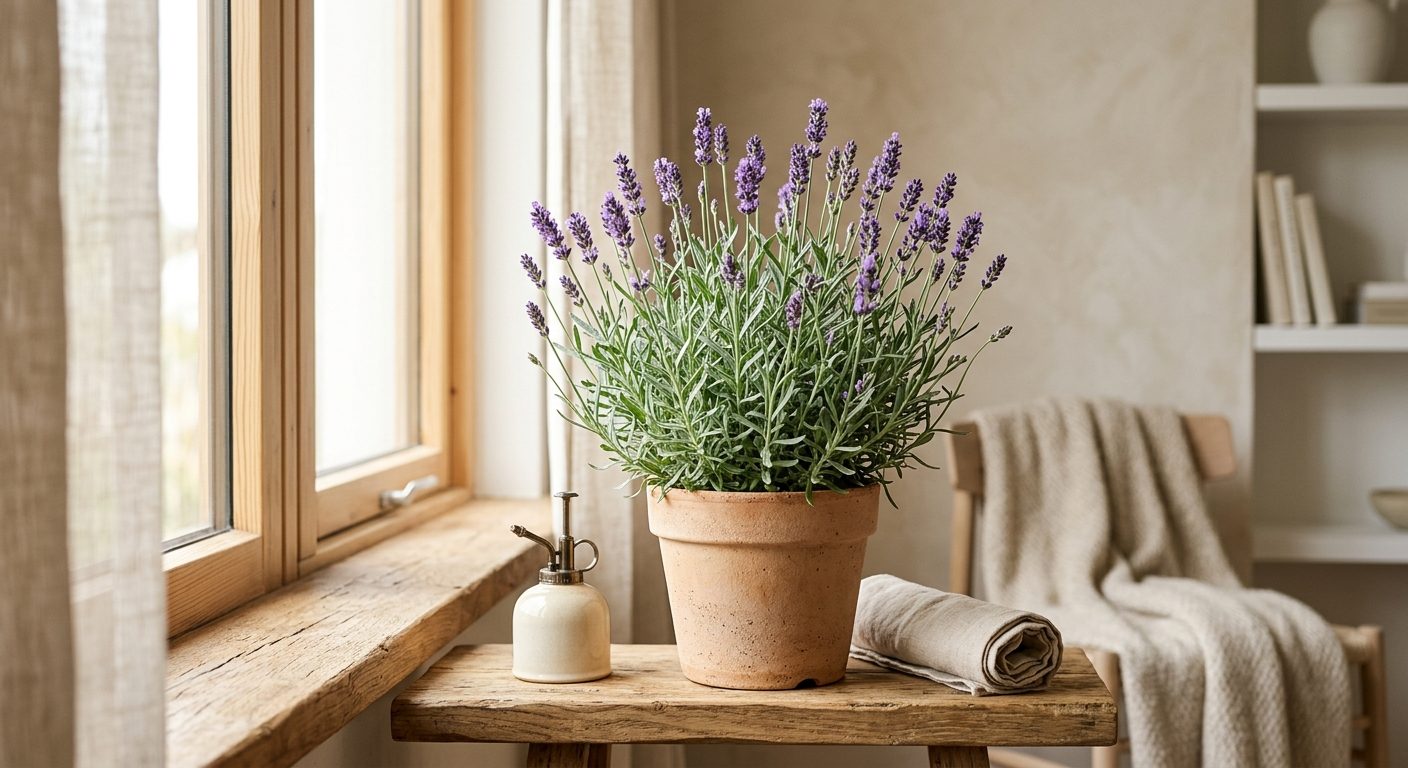
English Lavender: A Mediterranean Herb Thriving in Canadian Gardens
English lavender (Lavandula angustifolia) stands as one of the most versatile and resilient perennial herbs for Canadian gardeners, combining botanical elegance with practical applications spanning culinary arts, aromatherapy, and ornamental landscaping. Despite its common name, this species originates from the Mediterranean basin, where it evolved on rocky hillsides with alkaline soils, intense sunlight, and seasonal drought. Its adaptation to harsh conditions translates remarkably well to Canadian climates, particularly in zones 5 through 8, where it survives winter temperatures as low as -23°C when properly established. In Ontario’s Niagara region and British Columbia’s Okanagan Valley, commercial lavender farms demonstrate the species’ commercial viability, while home gardeners across Quebec and the Prairies successfully cultivate it in well-drained beds and containers. Understanding the plant’s phytochemical profile, root architecture, and photoperiod requirements allows growers to replicate Mediterranean conditions and achieve the concentrated essential oil content and prolific blooming that define premium true lavender.
| Characteristic | Value |
|---|---|
| Botanical name | Lavandula angustifolia |
| Plant type | Herbaceous perennial, subshrub |
| Mature size | 30-90 cm height, 60-90 cm spread |
| Light | Full sun, minimum 8 hours direct sunlight daily |
| Watering | Low to moderate; every 10-14 days once established |
| Ideal temperature | 15-25°C growing season, tolerates -23°C winter dormancy |
| Humidity | 30-50%, prefers dry air circulation |
| Hardiness zones (outdoors) | Zone 5 to Zone 8 (with winter mulch in zone 5) |
| Toxicity | Non-toxic to humans, cats, and dogs |
| Difficulty level | Beginner to Intermediate |
Botanical Identity: Why English Lavender Is Called ‘True Lavender’
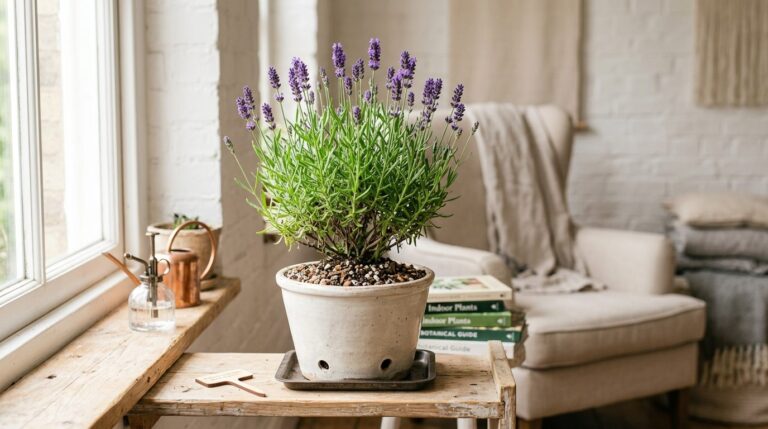
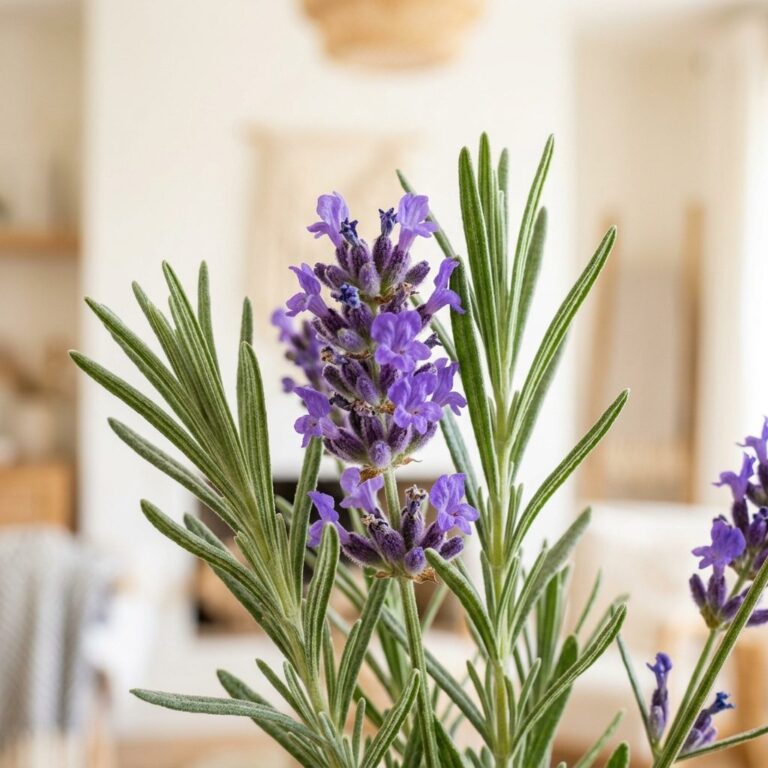
The designation “true lavender” reflects Lavandula angustifolia’s status as the original species cultivated for essential oil extraction and medicinal use in European herbalism since the Roman era. Taxonomically placed within the Lamiaceae family, this species distinguishes itself from other lavenders through its narrow, linear leaves (angustifolia translates to “narrow-leaved”) measuring 2-6 cm long and 2-4 mm wide, covered in fine grey-green trichomes that reduce water loss. The flower spikes rise 5-10 cm above the foliage on unbranched stems, each spike bearing 6-10 whorls of tubular florets in shades ranging from pale violet to deep purple, depending on cultivar. Unlike the branched, pine-cone-shaped flower heads of French lavender (Lavandula stoechas), English lavender produces concentrated terminal spikes that facilitate mechanical harvesting and yield higher concentrations of linalool and linalyl acetate, the primary aromatic compounds responsible for its sweet, floral fragrance. In Ontario’s Prince Edward County, where soil pH naturally ranges from 6.8 to 7.2, growers report that the species’ fertile seed production allows for genetic diversity within plantings, though vegetative propagation remains preferred for maintaining cultivar traits. The common name “English lavender” arose from the plant’s historical cultivation in English monastery gardens and distilleries, despite its Mediterranean native range spanning southern France, northern Italy, and the Iberian Peninsula.
Nomenclature and Taxonomic Synonyms
Botanical literature records several synonyms for Lavandula angustifolia, including Lavandula officinalis and Lavandula vera, both reflecting the species’ historical medicinal status. Modern taxonomy recognizes Lavandula angustifolia as the accepted name, with subspecies angustifolia and pyrenaica differentiated by minor morphological variations in calyx size and leaf pubescence. Canadian nurseries typically stock cultivars derived from the subspecies angustifolia, selected for compact habit and cold hardiness. The species’ ability to produce viable seeds contrasts sharply with sterile hybrids like Lavandula × intermedia (lavandin), which require clonal propagation. This fertility enables genetic adaptation over generations, a trait exploited by Quebec breeders developing lines with enhanced winter survival in zone 4b microclimates.
Growth Habit and Size: What to Expect from Lavandula angustifolia
Mature English lavender plants develop a rounded, mounding habit spanning 60-90 cm in diameter, with woody stems at the base supporting herbaceous upper growth that dies back partially in winter. Height varies by cultivar, ranging from compact selections like ‘Munstead’ at 30-45 cm to taller varieties such as ‘Hidcote’ reaching 60-75 cm. The plant’s root system extends 15-25 cm deep in well-drained soils, developing a taproot structure that anchors the plant and accesses moisture below the surface layer. In British Columbia’s Fraser Valley, where winter rainfall exceeds 150 cm annually, growers plant lavender on raised mounds to ensure the crown remains above saturated soil, preventing root rot. The species exhibits determinate flowering, producing a single flush of blooms in late spring to early summer (June-July in southern Ontario, July-August in Alberta), with occasional secondary blooming if deadheaded promptly. Woody stem diameter increases approximately 2-3 mm annually, and plants typically require rejuvenation pruning after 8-10 years when the central stems become excessively lignified and flower production declines. In zone 5 gardens near Montreal, established plants survive winter temperatures of -25°C when snow cover insulates the crown, though exposed plants benefit from burlap wrapping or evergreen bough mulch applied after the ground freezes in late November.
Stem Architecture and Seasonal Growth Cycles
The transition from herbaceous to woody tissue occurs in stems older than two years, creating a subshrub architecture characteristic of Mediterranean scrubland species. New growth emerges from buds on woody stems in April-May (zone 6), elongating 10-15 cm before initiating flower buds in response to lengthening photoperiods exceeding 14 hours. In Saskatchewan’s zone 3b regions, where late spring frosts persist into mid-May, gardeners delay spring pruning until new growth is visible to avoid removing viable buds on stems that appear dead but retain dormant meristems. The species’ drought-deciduous adaptation means that during prolonged dry periods, lower leaves may yellow and drop to conserve moisture, a natural response that does not indicate plant stress when the crown and upper foliage remain turgid.
Light Requirements and Blooming Performance
Optimal English lavender cultivation demands a minimum of 8 hours direct sunlight daily, with peak essential oil synthesis occurring at light intensities exceeding 30,000 lux during the flowering period. Photosynthetic rates plateau at approximately 1,200 μmol/m²/s photosynthetically active radiation (PAR), well within the range provided by full summer sun in Canadian latitudes. In Quebec’s Eastern Townships, growers position lavender beds on south-facing slopes to maximize solar exposure and accelerate soil warming in spring, advancing bloom dates by 7-10 days compared to flat terrain. Insufficient light results in etiolated stems, reduced flower bud formation, and diminished concentrations of linalool and linalyl acetate in the essential oil, compromising both ornamental and aromatic quality. Research conducted at the University of Guelph’s Simcoe Research Station quantified a 40% reduction in flower spike density when daily light exposure dropped below 6 hours, with corresponding decreases in stem rigidity and post-harvest vase life. Photoperiod sensitivity triggers flowering initiation when day length exceeds 14 hours, typically occurring in late May across southern Canada and early June in northern regions. In Manitoba’s zone 3a gardens, where summer day length reaches 16+ hours, lavender produces exceptionally dense flower spikes but requires careful winter protection to survive -35°C minimums. Artificial shade from overhanging trees or structures should be avoided; even dappled shade reduces bloom intensity and increases susceptibility to fungal diseases by maintaining elevated humidity around foliage.
Quantifying Light Impact on Essential Oil Composition
Gas chromatography analysis of lavender oil from plants grown under varying light regimes reveals that linalool content increases from 25% to 35% of total oil composition when daily light exposure rises from 6 to 10 hours. Similarly, linalyl acetate, the ester responsible for lavender’s characteristic sweetness, climbs from 30% to 45% under full-sun conditions. These phytochemical shifts directly affect the oil’s therapeutic value in aromatherapy applications, where higher linalyl acetate concentrations correlate with enhanced anxiolytic effects in clinical trials. Ontario lavender farms harvesting at peak bloom (when 50% of florets are open) during mid-morning hours capture maximum oil content, as terpene volatilization accelerates above 25°C ambient temperature. Home gardeners in Alberta’s Chinook belt, where intense sunlight combines with low humidity, report the most concentrated floral fragrance, validating the species’ preference for Mediterranean-type climates with high solar radiation and dry air.
Soil Composition and Drainage: The Critical Foundation
English lavender thrives in alkaline to neutral soils with pH values between 6.5 and 7.5, mirroring the limestone-derived substrates of its native Mediterranean range. Soil texture must prioritize rapid drainage, as the species evolved in rocky, skeletal soils with minimal water retention capacity. In Ontario’s clay-heavy regions, amending planting beds with 40% coarse sand and 20% fine gravel creates a substrate that drains within 2-3 hours of saturation, preventing the root rot that devastates lavender in waterlogged conditions. British Columbia growers on the coast, where annual precipitation exceeds 100 cm, construct raised beds 30-40 cm high filled with a custom blend of 50% sandy loam, 30% pea gravel, and 20% aged compost, ensuring the crown remains elevated above winter water tables. Soil organic matter content should remain modest at 3-5%, as excessive fertility promotes lush vegetative growth at the expense of flower production and essential oil concentration. A substrate recipe proven effective across zone 5 and zone 6 gardens combines 60% triple-mix topsoil, 25% construction sand (not beach sand, which contains salt), and 15% perlite, adjusted with dolomitic lime to raise pH from typical Canadian acidic levels (5.5-6.0) to the target 7.0. In Quebec’s Laurentian region, where granitic bedrock yields naturally acidic soils, annual lime applications of 200-300 grams per square meter maintain optimal pH, with soil tests conducted each spring to guide adjustments. The species’ taproot structure requires loosened soil to a depth of 30 cm at planting, achieved through double-digging or mechanized rototilling, allowing roots to penetrate compacted layers and access deep moisture reserves during summer drought.
Substrate Recipes for Container Cultivation
Container-grown English lavender demands even more aggressive drainage than in-ground plantings, as pots restrict lateral water movement and concentrate moisture around roots. A proven mix for 30-40 cm diameter containers consists of 50% cactus/succulent potting soil, 30% perlite, and 20% coarse horticultural sand, creating a substrate that dries 50% faster than standard potting mixes. Alberta balcony gardeners report success with terracotta pots, which allow evaporation through porous walls, reducing the risk of overwatering during cool, cloudy periods. Adding 10-15% crushed oyster shell or calcitic limestone chips to container mixes provides slow-release calcium while buffering pH upward, mimicking the calcareous soils of Provence lavender fields. Avoid peat-based mixes, which retain excessive moisture and acidify over time, counteracting lavender’s alkaline preference.
Watering Schedule Based on Plant Physiology and Soil Type
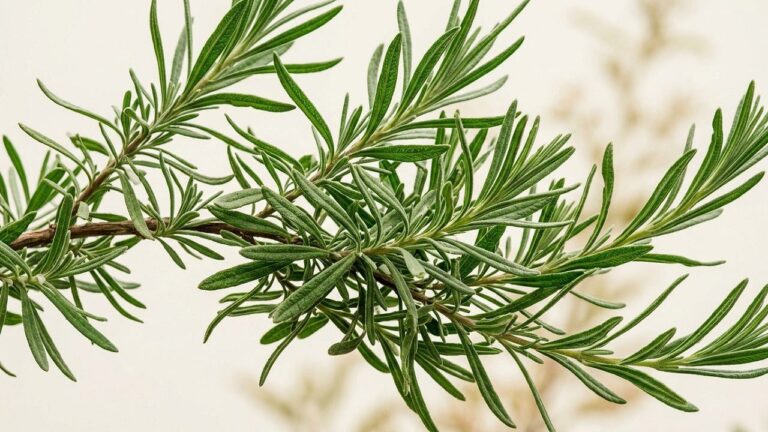
Established English lavender exhibits remarkable drought tolerance, a physiological adaptation to Mediterranean summers with 3-4 months of near-zero rainfall. The species’ narrow leaves reduce surface area for transpiration, while dense trichome coverage reflects solar radiation and traps a boundary layer of humid air, minimizing water loss. In southern Ontario’s zone 6a, mature plants require supplemental irrigation only during extended dry spells exceeding 14 days without rain, typically occurring in July-August. Newly planted lavender demands more frequent watering during the first growing season, with applications every 7-10 days delivering 2-3 cm of water to establish the root system to its full 15-25 cm depth. Overwatering represents the primary cause of lavender failure in Canadian gardens, as saturated soil displaces oxygen around roots, triggering anaerobic conditions that favour Phytophthora and Pythium pathogens. In British Columbia’s Lower Mainland, where winter rainfall saturates soils from November through March, lavender planted in poorly drained sites succumbs to root rot by spring, even when summer care is impeccable. The species’ water requirements correlate inversely with soil organic matter content: in sandy, low-fertility substrates, plants access moisture more efficiently and tolerate longer intervals between irrigation. Quebec growers using the recommended 60% topsoil / 25% sand / 15% perlite mix report watering every 10-14 days during active growth, compared to every 5-7 days in unamended clay soils where water percolates slowly and pools near the surface. Monitoring soil moisture at 10 cm depth provides a more accurate indicator than surface conditions; when a finger inserted to the second knuckle encounters dry, crumbly soil, irrigation is warranted. In Alberta’s semi-arid climate, where annual precipitation averages 40-50 cm, established lavender often survives on natural rainfall alone, with supplemental water applied only during the flowering period to maximize bloom size and duration.
Seasonal Irrigation Adjustments and Winter Dormancy
Lavender’s water needs decline sharply in autumn as growth slows and the plant prepares for dormancy. In Ontario, gardeners cease irrigation after mid-September, allowing soil to dry naturally before freeze-up. Wet soil entering winter expands upon freezing, heaving roots out of the ground and exposing them to desiccating winds. Conversely, bone-dry soil in late autumn leaves roots vulnerable to desiccation during winter thaw cycles. A final deep watering in late October, delivering 5 cm of moisture, ensures adequate hydration without waterlogging. Spring irrigation resumes only after new growth appears and soil temperature exceeds 10°C, typically late April in zone 6 and mid-May in zone 4. Premature watering into cold, saturated spring soil replicates the overwatering conditions that promote root disease.
English Lavender vs. French Lavender: Key Differences in Oil Quality and Longevity
While English lavender (Lavandula angustifolia) and French lavender (Lavandula stoechas) share the Lavandula genus, they diverge significantly in morphology, hardiness, essential oil composition, and garden applications. French lavender produces distinctive flower heads topped with showy, petal-like bracts resembling rabbit ears, blooming earlier (April-May in zone 8) and often reblooming through summer with deadheading. However, its camphor-rich essential oil, containing 30-50% camphor and fenchone, renders it unsuitable for culinary use and less desirable in aromatherapy, where the sharp, medicinal aroma lacks the sweet floral notes of English lavender’s linalool-dominant oil. Hardiness represents the most critical distinction for Canadian gardeners: French lavender tolerates winter temperatures only to -12°C (zone 8), restricting outdoor cultivation to coastal British Columbia and requiring container culture with indoor overwintering elsewhere. In contrast, English lavender survives -23°C (zone 5) and, with winter protection, extends into zone 4 regions of Quebec and Ontario. The species’ longevity also differs; English lavender lives 10-15 years with proper care, while French lavender typically declines after 5-7 years, becoming woody and sparse. Essential oil yield per plant favours English lavender, with mature specimens producing 100-150 grams of fresh flowers per harvest compared to 50-75 grams from French lavender of similar size. Phytochemical analysis reveals that English lavender oil contains 35-45% linalyl acetate and 25-35% linalool, the combination responsible for its renowned calming properties in clinical aromatherapy studies. French lavender’s camphor content, while contributing antimicrobial activity, precludes use in applications requiring gentle, non-stimulating fragrances. For Canadian gardeners prioritizing culinary use, cold hardiness, and classic lavender fragrance, Lavandula angustifolia remains the unequivocal choice, with French lavender relegated to specialty container displays in mild coastal zones.
Comparative Phytochemistry and Therapeutic Applications
Gas chromatography-mass spectrometry (GC-MS) profiles of the two species’ essential oils reveal profound compositional differences. English lavender oil’s high linalyl acetate content correlates with demonstrated anxiolytic effects in human trials, reducing cortisol levels and improving sleep quality when diffused or applied topically in diluted form. French lavender oil’s camphor and fenchone content, while offering potent antimicrobial activity against skin pathogens, can trigger neurotoxic effects at high concentrations, particularly in children and pregnant individuals. This safety profile explains why culinary and cosmetic regulations in Canada and Europe restrict French lavender to external applications, while English lavender holds Generally Recognized as Safe (GRAS) status for food use. Ontario aromatherapists source English lavender oil from local farms in Prince Edward County and the Niagara region, where cool nights during flowering preserve volatile terpene content, yielding oil with superior olfactory complexity compared to mass-produced imports.
Hardiness Zones and Cold-Climate Adaptation
English lavender demonstrates reliable winter survival in Canadian zones 5 through 8, with experimental success in sheltered zone 4b microclimates when provided with strategic winter protection. The species’ cold tolerance derives from physiological adaptations including supercooling capacity in woody tissues, where cellular water remains liquid below 0°C through solute accumulation, and the ability to tolerate ice crystal formation in extracellular spaces without membrane rupture. In Quebec’s Charlevoix region (zone 4a), gardeners report 60-70% winter survival rates for cultivars like ‘Hidcote’ and ‘Munstead’ when plants are mulched with 15-20 cm of shredded leaves after the ground freezes in late November. Winter injury typically manifests as dieback of herbaceous stems and desiccation of foliage exposed above snow cover, rather than root death; plants resprout from the woody crown in spring, though flowering may be delayed or reduced in the recovery year. Snow cover provides critical insulation, maintaining soil temperature near 0°C even when air temperature plummets to -30°C. In Manitoba’s zone 3b regions, where reliable snow cover accumulates by December, gardeners construct 60 cm wire mesh cylinders around lavender plants, filling them with loose straw or leaves to trap insulating air and buffer temperature fluctuations. Ontario growers in zone 5a apply a 10 cm layer of evergreen boughs over lavender crowns in late November, removing the mulch gradually in April as soil thaws to prevent premature growth during late frost events. The species’ vulnerability to winter injury increases in exposed, windswept sites where desiccating winds remove moisture from foliage faster than frozen roots can replace it. British Columbia’s coastal zone 8 gardens experience minimal winter damage, with lavender remaining semi-evergreen and often producing sporadic winter blooms during mild spells. Cultivar selection significantly impacts cold hardiness; ‘Munstead’ and ‘Hidcote’ consistently outperform showier varieties like ‘Provence’ in Canadian trials, tolerating temperatures 3-5°C lower. The critical factor determining zone 4 success is not minimum winter temperature alone but the combination of cold exposure, wind, soil drainage, and snow cover duration. A sheltered, well-drained site in zone 4b with consistent snow cover from December through March offers better survival odds than an exposed, wet site in zone 5a with erratic freeze-thaw cycles.
Mechanisms of Cold Acclimation and Dehardening Risks
Lavender initiates cold acclimation in response to shortening photoperiods and cooling temperatures in September-October, accumulating cryoprotective sugars and proline in cellular fluids while reducing tissue water content to minimize ice crystal formation. This hardening process requires 4-6 weeks of gradual temperature decline; premature hard freezes before acclimation completes cause severe damage. Ontario’s variable autumn weather, with warm spells interrupting cooling trends, can disrupt acclimation, leaving plants vulnerable to subsequent cold snaps. The reverse process, dehardening, poses equal risk in late winter when warm February or March temperatures trigger premature bud break, followed by lethal late frosts in April. Quebec gardeners mitigate dehardening risk by maintaining winter mulch until soil temperature at 10 cm depth stabilizes above 5°C for one week, indicating genuine spring arrival rather than a transient warm spell.
Culinary and Aromatherapy Applications
English lavender holds unique status among lavender species as the only variety safe and palatable for culinary applications, owing to its low camphor content and sweet, floral flavour profile dominated by linalool and linalyl acetate. Fresh or dried flower buds impart a delicate, slightly minty sweetness to baked goods, syrups, and savoury dishes, with 1-2 teaspoons of dried buds sufficing to flavour a batch of shortbread or a litre of simple syrup. Ontario chefs incorporate lavender into honey, pairing it with local wildflower honey for use in salad dressings and glazes for roasted vegetables. The flowers’ essential oil content peaks just as buds begin opening, the optimal harvest stage for both culinary and aromatherapy use. Culinary safety requires verification that plants have not been treated with synthetic pesticides; organic or home-grown lavender from Alberta and British Columbia farms ensures chemical-free flowers. In aromatherapy, English lavender essential oil ranks among the most researched botanicals, with clinical trials demonstrating efficacy in reducing anxiety, improving sleep latency and quality, and accelerating wound healing when applied topically in 2-5% dilution in carrier oils. The oil’s linalyl acetate component modulates GABA neurotransmitter activity, producing mild sedative effects without the tolerance or dependence associated with pharmaceutical anxiolytics. Quebec aromatherapists recommend diffusing 3-5 drops of lavender oil in bedrooms 30 minutes before sleep, or adding 10 drops to bath water for relaxation. Topical application requires dilution to prevent skin sensitization; a standard blend combines 12 drops of lavender essential oil per 30 mL of jojoba or sweet almond oil, yielding a 2% solution safe for daily use on pulse points or massage into temples for tension headaches. The oil’s antimicrobial properties, attributed to terpene alcohols disrupting bacterial cell membranes, make it a popular ingredient in natural cleaning products and wound care formulations. British Columbia distilleries produce small-batch lavender hydrosol, the aromatic water byproduct of steam distillation, used as a facial toner or linen spray with milder fragrance than pure essential oil. Culinary use demands restraint, as excessive lavender imparts a soapy, perfume-like taste; recipes typically call for 1/4 to 1/2 teaspoon of dried buds per serving, with fresh flowers used at double the quantity due to lower concentration. Ontario bakers create lavender-infused sugar by layering dried buds with granulated sugar in sealed jars for two weeks, then sieving out the flowers to leave subtly scented sugar for rimming cocktail glasses or dusting cakes.
Harvesting and Drying for Maximum Potency
Optimal lavender harvest occurs in early morning after dew evaporates but before midday heat volatilizes essential oils, typically 9-11 AM in Ontario’s July climate. Cut stems 10-15 cm below the flower spike, gathering bundles of 20-30 stems secured with elastic bands. Hang bundles upside down in a dark, well-ventilated space with temperature below 30°C and humidity under 50%; attics and sheds work well if air circulates freely. Drying requires 7-14 days, with flowers ready when they feel papery and release easily from stems when rubbed. Strip dried buds into glass jars, excluding stems, and store in a cool, dark cupboard where they retain potency for 12-18 months. Alberta’s low humidity accelerates drying to 5-7 days but requires monitoring to prevent over-drying, which causes buds to shatter and lose aromatic compounds.
Propagation Methods: Seeds vs. Cuttings
English lavender propagates successfully through both seed germination and softwood cuttings, each method offering distinct advantages and timelines. Seed propagation requires 3-4 months from sowing to transplantable seedlings, with germination rates of 60-80% when seeds receive a cold stratification period mimicking winter dormancy. Ontario gardeners sow seeds in late February, mixing them with moist vermiculite in sealed plastic bags stored in the refrigerator at 4°C for 3-4 weeks before surface-sowing onto sterile seed-starting mix. Seeds require light to germinate, so they are pressed gently onto the soil surface without covering, then placed under grow lights providing 14-16 hours of illumination daily. Germination occurs over 14-21 days at 18-21°C soil temperature, with seedlings ready for transplant into individual 8 cm pots once they develop two sets of true leaves beyond the cotyledons. Seed-grown lavender exhibits genetic variation, producing plants with slight differences in flower colour, height, and cold tolerance; this variability suits gardeners seeking diversity but complicates commercial production requiring uniform cultivars. Softwood cutting propagation delivers genetically identical clones, preserving cultivar traits, and matures faster than seedlings, producing flowering plants by the second growing season. Cuttings are taken in late spring (May-June in Quebec) from non-flowering shoots, selecting 8-10 cm terminal sections with 3-4 leaf nodes. The bottom two nodes are stripped of leaves, and the cut end is dipped in rooting hormone powder containing 0.3-0.8% IBA (indole-3-butyric acid) before inserting into a 50/50 perlite/vermiculite rooting medium. Cuttings root in 4-6 weeks when maintained at 65-75% humidity under clear plastic domes or in mist propagation systems, with bottom heat of 21°C accelerating root development. British Columbia nurseries report 85-95% rooting success with softwood cuttings taken from vigorous stock plants, compared to 60-70% success with semi-hardwood cuttings taken in late summer. Once rooted, cuttings are potted into the standard lavender substrate and grown in full sun for the remainder of the season, overwintering in cold frames or unheated greenhouses before transplanting to permanent locations the following spring. Division of mature plants offers a third propagation method, though lavender’s woody crown resists division more than herbaceous perennials. Alberta gardeners successfully divide 4-5 year old plants in early spring, using a sharp spade to separate the crown into 2-3 sections, each retaining multiple stems and a portion of the root system. Divisions require diligent watering through their first season to re-establish, with flowering often reduced in the division year.
Comparative Timeline and Resource Investment
Seed propagation demands minimal financial investment (a packet of 50 seeds costs $3-5 CAD) but requires 18-24 months to produce flowering-sized plants. Cutting propagation costs more in labour and materials (rooting hormone, propagation mix, humidity domes) but delivers saleable or transplantable plants in 12-14 months. Commercial Ontario lavender farms rely exclusively on cuttings to maintain cultivar purity, while home gardeners enjoy experimenting with seed-grown plants to discover unique phenotypes adapted to their specific microclimate. Quebec seed savers collect ripe seed from the best-performing plants in late summer, storing dry seeds in paper envelopes in the refrigerator for up to three years, though germination rates decline 10-15% annually. The species’ fertile seed production contrasts with sterile lavandin hybrids (Lavandula × intermedia), which require vegetative propagation exclusively, limiting genetic diversity and adaptive potential in changing climates.
Pruning Strategies for Longevity and Flower Production
Annual pruning represents the single most important maintenance task for sustaining English lavender vigour and maximizing flower production over the plant’s 10-15 year lifespan. The species requires two distinct pruning sessions: a light deadheading immediately after bloom in July-August, and a more substantial shaping prune in early spring before new growth emerges. Post-bloom deadheading removes spent flower stalks 2-3 cm above the foliage mound, preventing seed development that diverts energy from root and shoot growth. This practice often stimulates a modest secondary flush of blooms in September, particularly in Ontario’s zone 6 gardens with extended growing seasons. The critical spring prune occurs in late April to early May (after last frost date but before active growth accelerates), removing one-third of the previous year’s growth to maintain a compact, rounded form and stimulate branching. Ontario growers prune to a height 5-8 cm above the woody base, cutting into green, flexible stems while avoiding the thick, brown woody tissue that rarely produces new shoots. The shearing creates a dome shape 30-45 cm tall for compact cultivars, 50-70 cm for taller varieties, with cuts made just above a leaf node or lateral bud to direct new growth outward. Rejuvenation pruning becomes necessary for plants older than 8-10 years exhibiting sparse foliage and declining bloom, though success rates vary; cutting back to 10-15 cm above ground in early spring forces new shoots from dormant buds on woody stems, but 30-40% of plants fail to regenerate vigorously. British Columbia lavender farms replace declining plants rather than attempting rejuvenation, as young plants reach peak production by year three and maintain it through year eight. Quebec gardeners in zone 5 delay spring pruning until mid-May to assess winter damage, removing any dead or desiccated stems before shaping the remaining live growth. Pruning later than June risks removing developing flower buds, sacrificing the current year’s bloom. Tools must be sharp and sanitized; dull shears crush stems, creating entry points for fungal pathogens, while dirty blades transmit diseases between plants. A 10% bleach solution or 70% isopropyl alcohol disinfects pruning shears between plants, critical when working through a lavender hedge where one infected plant can spread pathogens to neighbours.