About Alocasia
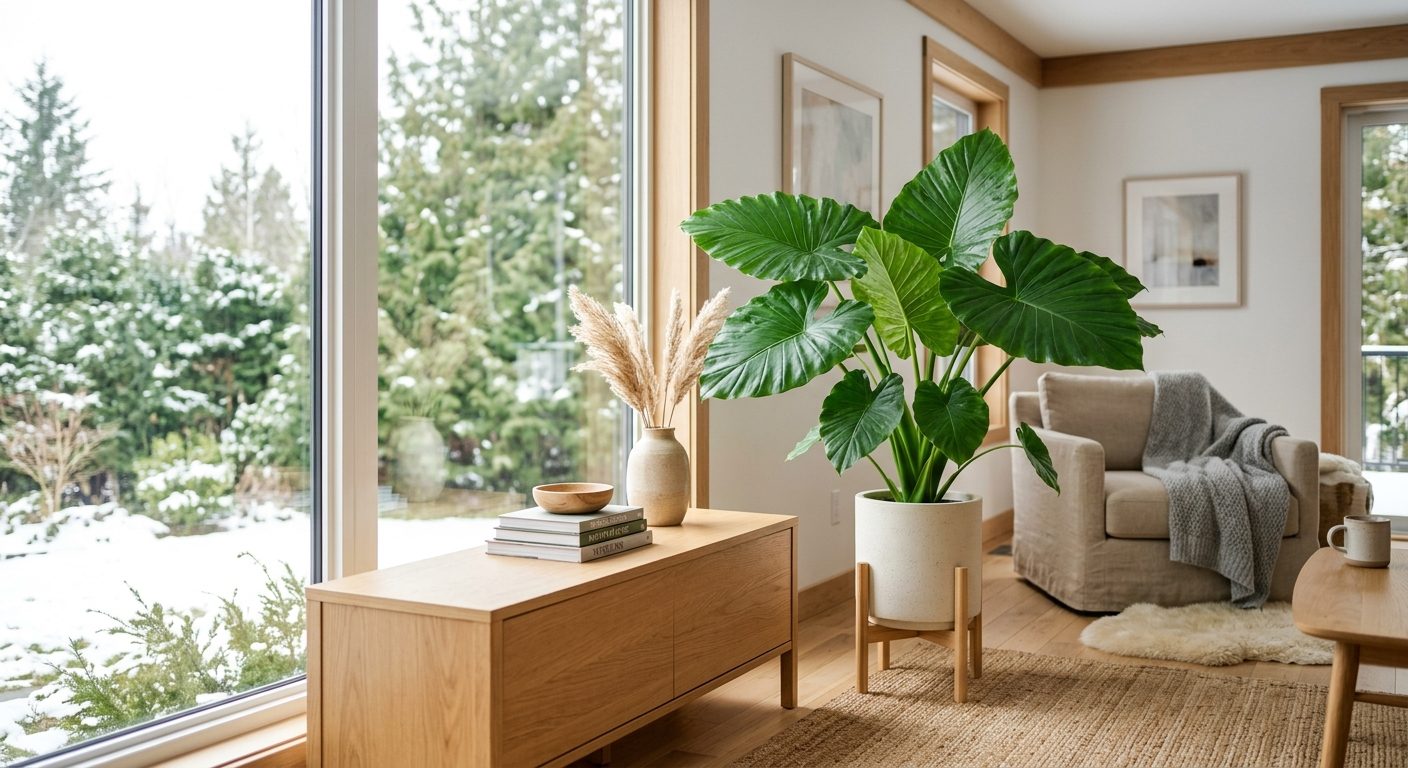
Alocasia, commonly known as elephant ear plants, are stunning tropical houseplants that have captured the hearts of Canadian indoor gardeners from British Columbia to Nova Scotia. These dramatic foliage plants, native to tropical and subtropical Asia, feature large, arrow-shaped leaves with striking veination patterns that make them true statement pieces in any home. While naturally suited for zones 10-11 outdoors, Alocasia species have proven remarkably adaptable to indoor cultivation throughout Canada’s diverse climate zones. From the humid summers of Ontario to the dry winters of Alberta, these plants can flourish year-round with proper care. The genus encompasses over 80 species, ranging from compact varieties perfect for apartment living to larger specimens that can serve as dramatic focal points in spacious Canadian homes. Their tropical origins mean they appreciate the consistent temperatures and humidity levels that modern Canadian homes can provide, making them ideal companions for our indoor gardening lifestyle.
Why Choose Alocasia for Your Home?
Canadian homeowners increasingly turn to Alocasia for their ability to transform indoor spaces while adapting to our unique climate challenges. Unlike outdoor plants that must survive harsh Canadian winters, these tropical beauties remain vibrant year-round when grown indoors, providing consistent greenery during our long winter months from November through March. Their tolerance for lower humidity levels makes them particularly suitable for Canadian homes, where indoor air can become quite dry during heating season. In provinces like Quebec and Manitoba, where winter humidity can drop to 15-20%, Alocasia varieties like A. amazonica and A. polly have proven surprisingly resilient. These plants also excel in Canadian homes because they don’t require the intense light that many tropical plants demand, thriving in the bright indirect light common in our south-facing windows during shorter winter days.
Air Purification Benefits
Beyond their stunning appearance, Alocasia plants contribute to healthier indoor environments by filtering common household toxins. Research shows they effectively remove formaldehyde and other volatile organic compounds often present in Canadian homes during winter months when ventilation is limited.
Alocasia Growing Guide for Canada
Ideal Light for Alocasia
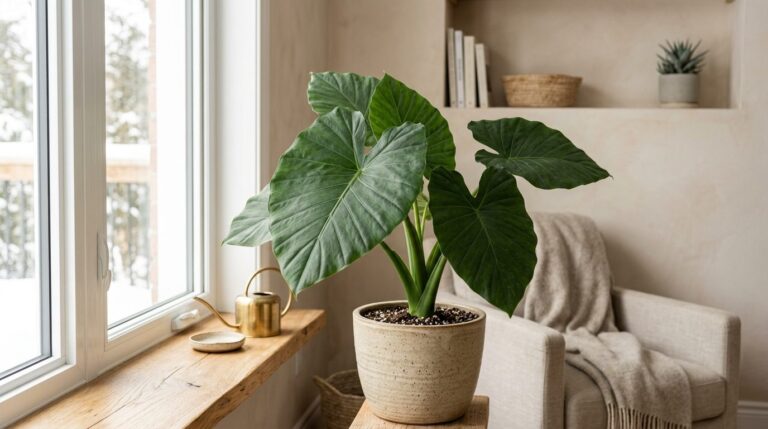
Bright indirect light proves optimal for Alocasia in Canadian homes, particularly near east or south-facing windows with sheer curtains. During our shorter winter days from December through February, these plants benefit from positioning within 3-4 feet of windows to maximize available light. In provinces like Alberta and Saskatchewan, where winter sunshine is limited, consider supplementing with grow lights positioned 12-18 inches above the plant for 12-14 hours daily. Avoid direct sunlight, especially during intense summer months in southern Ontario or British Columbia, as this can scorch the delicate leaves.
Watering Alocasia Through Canadian Seasons
Water when the top inch of soil feels dry, typically every 7-10 days during active growing seasons from April through September. Canadian winters require adjusted watering schedules due to lower humidity and reduced plant growth. In heated homes across the Prairies, check soil moisture twice weekly, as dry indoor air accelerates evaporation. Use lukewarm water to avoid shocking roots, especially important during cold months when tap water temperatures can be quite low. Ensure drainage is excellent, as Alocasia roots are particularly susceptible to rot in Canada’s variable humidity conditions.
Soil Mix and Repotting
Create a well-draining mix using equal parts quality potting soil, perlite, and orchid bark, readily available at Canadian garden centers like Home Depot or Canadian Tire. Repot every 2-3 years in spring, typically March or April, when active growth resumes. Choose pots with drainage holes to prevent water accumulation, crucial in Canadian homes where humidity fluctuates significantly between seasons. The ideal soil pH ranges from 5.5-6.5, slightly acidic conditions that most commercial potting mixes naturally provide.
Temperature and Overwintering in Canada
Maintain temperatures between 18-24°C year-round, easily achievable in most Canadian homes. During winter heating season, position plants away from heat vents and drafty windows, common in older homes throughout the Maritimes and Quebec. These plants enter natural dormancy from November through February, requiring reduced watering and no fertilization. Humidity levels of 40-50% prove ideal, achievable through humidifiers or grouping plants together, particularly important in dry Prairie winters.
Common Problems and Solutions
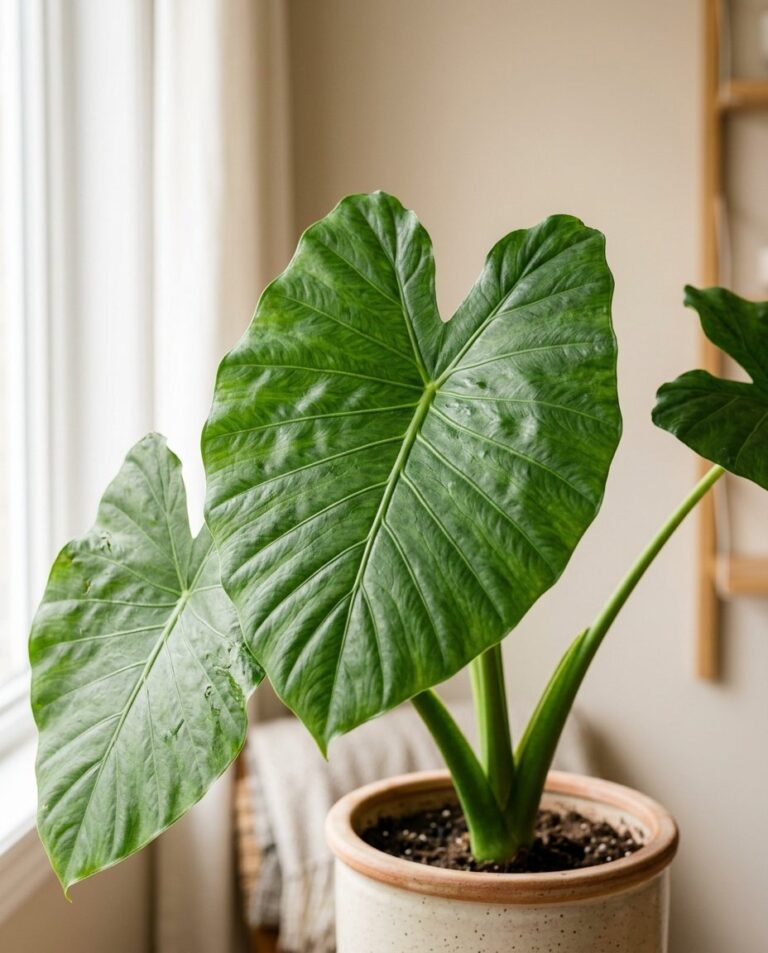
If you notice yellowing leaves, reduce watering frequency and check for root rot, especially common during Canadian winter months when plants use less water. Brown leaf tips typically indicate low humidity, easily remedied with a humidifier or pebble tray filled with water. Drooping leaves usually signal underwatering or temperature stress, common when plants are positioned near heating vents during cold snaps across the Prairies. If growth slows dramatically during winter, this is normal dormancy behavior in response to shorter daylight hours characteristic of Canadian winters. Spider mites may appear in dry indoor conditions, treatable with increased humidity and weekly leaf cleaning. Fungal issues can develop in poorly ventilated spaces, particularly basement growing areas common in Ontario and Quebec homes, requiring improved air circulation and reduced watering.
Seasonal Tips for Canada
- Spring Resume regular fertilizing in March when new growth appears, and gradually increase watering as daylight hours extend across all provinces.
- Summer Provide extra humidity during hot, dry periods typical in Alberta and Saskatchewan, and monitor for spider mites in air-conditioned homes.
- Fall Begin reducing fertilizer applications in September and gradually decrease watering frequency as plants prepare for winter dormancy.
- Winter Maintain consistent temperatures away from heating vents, reduce watering by half, and supplement with grow lights during short daylight periods.
Recommended Alocasia Varieties for Canada
Several Alocasia varieties have proven particularly successful in Canadian indoor environments, available through specialty plant shops in major cities like Toronto, Montreal, and Vancouver. These selections balance visual impact with adaptability to our climate conditions, making them ideal choices for both beginner and experienced Canadian plant enthusiasts.
Alocasia amazonica (African Mask)
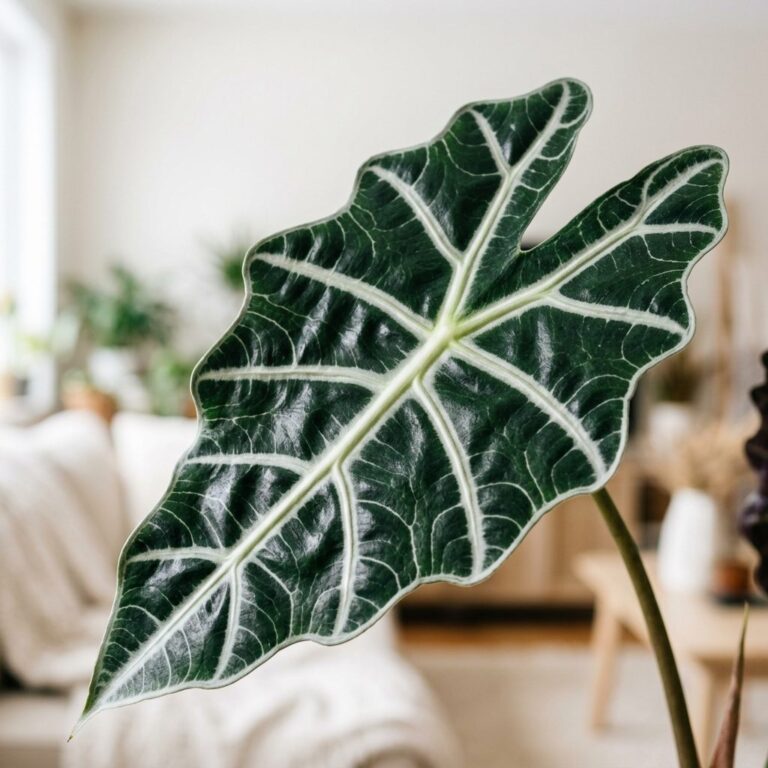
This compact variety reaches 18-24 inches tall, perfect for apartment living common in downtown Toronto or Montreal. Its dramatic dark green leaves with white veining create striking contrast, and it tolerates lower humidity better than larger species, making it ideal for Prairie conditions.
Alocasia polly (Polly)
Similar to A. amazonica but slightly smaller and more forgiving, Polly adapts exceptionally well to Canadian indoor conditions. Its glossy leaves and manageable size make it perfect for beginners, while its tolerance for varying light conditions suits homes with limited natural light during winter months.