

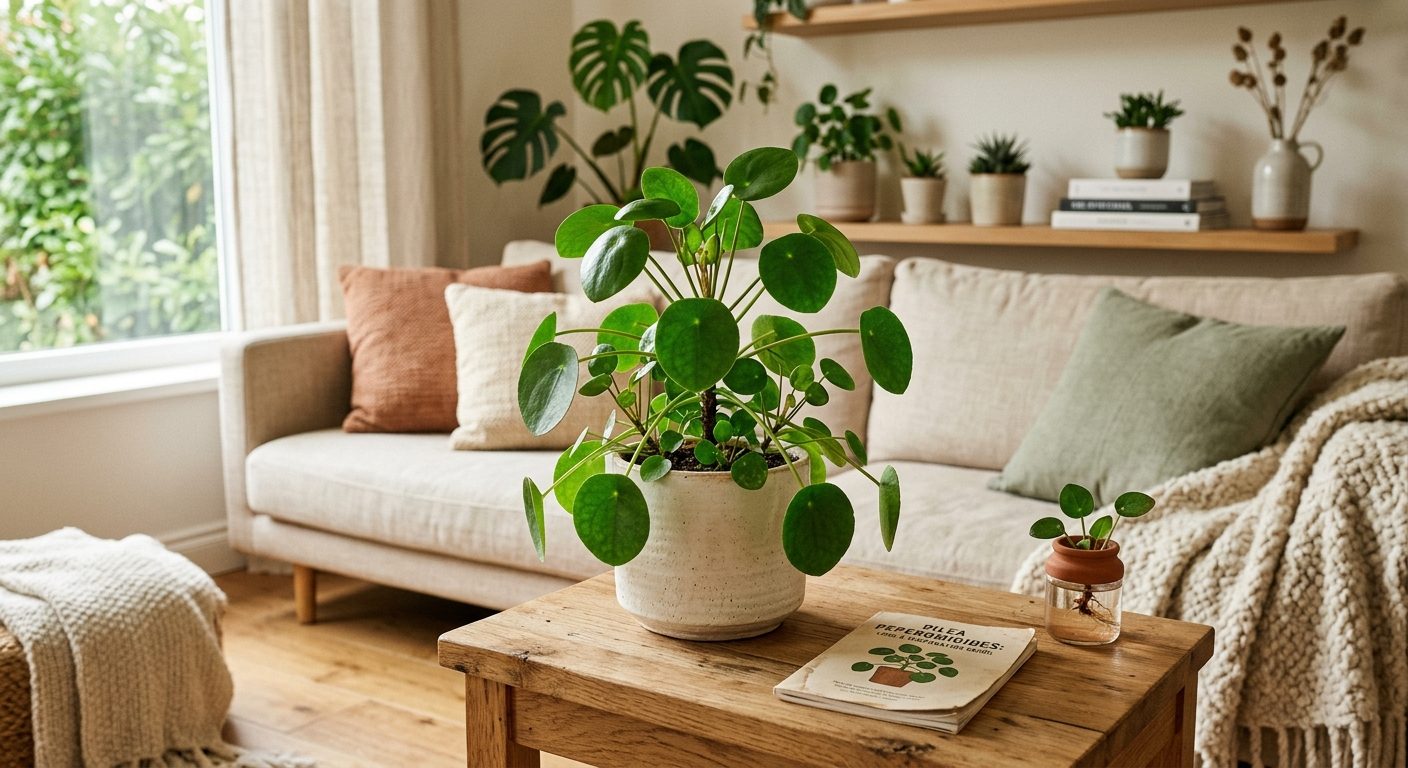
The Chinese Money Plant: A Modern Houseplant for Canadian Homes
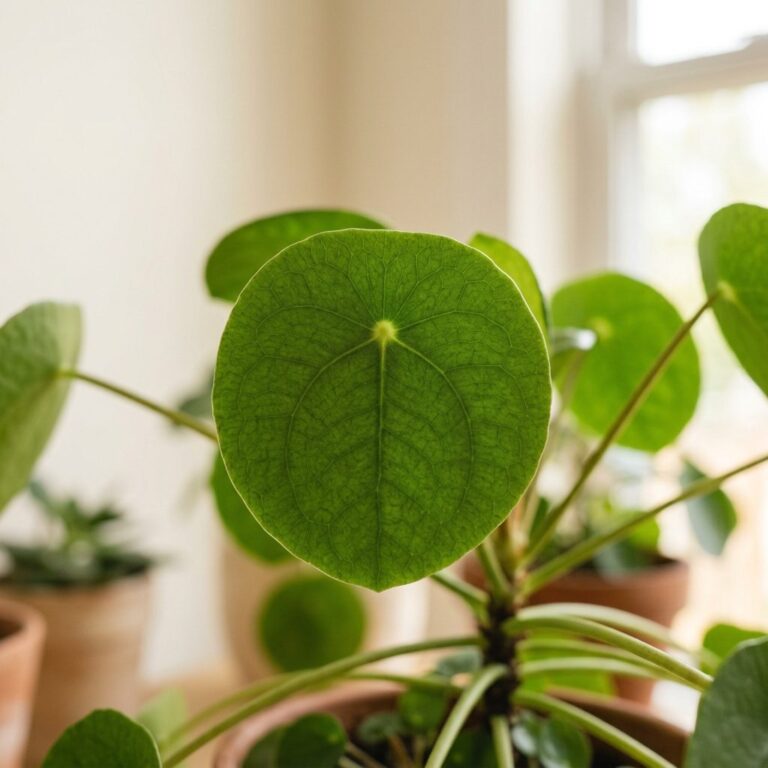
The Pilea peperomioides, commonly known as the Chinese money plant or pancake plant, has become one of the most sought-after houseplants across Canada. Native to the Yunnan Province of China, this charming plant features distinctive round, coin-shaped leaves that give it its popular nickname. Canadian plant enthusiasts from Vancouver to Halifax have embraced this species for its unique appearance and remarkable ability to produce baby plantlets around its base. Unlike many tropical houseplants that struggle in Canadian homes during winter months, Pilea peperomioides adapts well to the dry indoor air typical of heated Canadian homes. The plant’s compact size makes it perfect for apartment living in cities like Toronto and Montreal, where space is often at a premium. Its sculptural form and easy-care nature have made it a favorite among both beginner plant parents and experienced collectors throughout Canada.
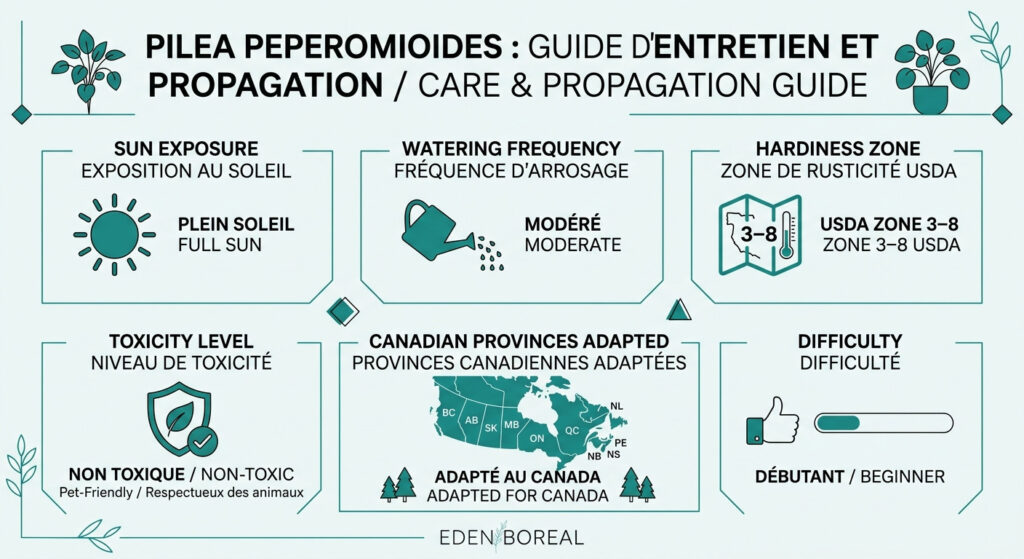
| Characteristic | Value |
|---|---|
| Botanical name | Pilea peperomioides |
| Plant type | Tropical houseplant |
| Mature size | 30 cm height, 30 cm width |
| Light | Bright indirect light |
| Watering | Weekly, when topsoil is dry |
| Ideal temperature | 18-24°C |
| Humidity | 40-50% |
| Hardiness zones (outdoors) | Not hardy outdoors in Canada |
| Toxicity | Non-toxic to pets and humans |
| Difficulty level | Beginner |
Light Requirements for Optimal Growth
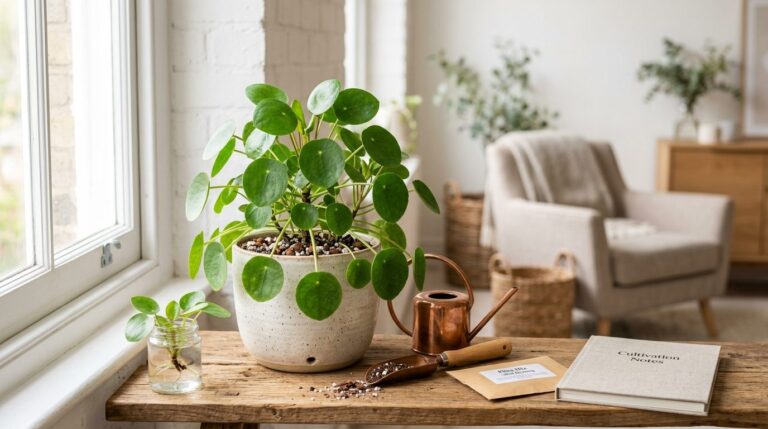
Pilea peperomioides performs best in bright, indirect light, making it ideal for Canadian homes with east-facing windows. During the shorter daylight hours of Canadian winters, particularly in northern provinces like Saskatchewan and Manitoba, positioning your plant within 1-2 meters of a south-facing window ensures adequate light without scorching. The round leaves will turn pale green or become leggy if light levels are insufficient, a common issue in Canadian homes from November through February.
Seasonal Light Adjustments
In summer months, filtered sunlight through sheer curtains prevents leaf burn while maintaining the plant’s compact growth habit. Canadian gardeners in British Columbia should be particularly cautious during intense summer months when even indirect light can be overwhelming. LED grow lights positioned 30-40 cm above the plant can supplement natural light during Canadian winters, especially effective in zone 3 regions where daylight is severely limited.
Window Positioning Strategy
The plant naturally grows toward light sources, so rotating it weekly ensures even development. Place your Pilea peperomioides on a plant stand or shelf rather than directly on window sills, as Canadian winter temperatures near windows can fluctuate dramatically, stressing the plant.
Watering Techniques for Canadian Climate
Proper watering is crucial for Pilea peperomioides success in Canadian homes where dry indoor air from heating systems affects moisture retention. Water when the top 2-3 cm of soil feels dry to touch, typically every 7-10 days during active growing seasons. Canadian homes often have humidity levels below 30% in winter, causing soil to dry faster than in more humid climates.
Seasonal Watering Adjustments
During Canadian winters, reduce watering frequency to every 10-14 days as the plant’s growth slows and soil retains moisture longer in cooler temperatures. Use room temperature water to avoid shocking the roots, particularly important when Canadian tap water can be quite cold. Bottom watering by placing the pot in a tray of water for 30 minutes encourages healthy root development and prevents water from sitting on the coin-shaped leaves.
Managing Common Growth Issues in Canadian Homes
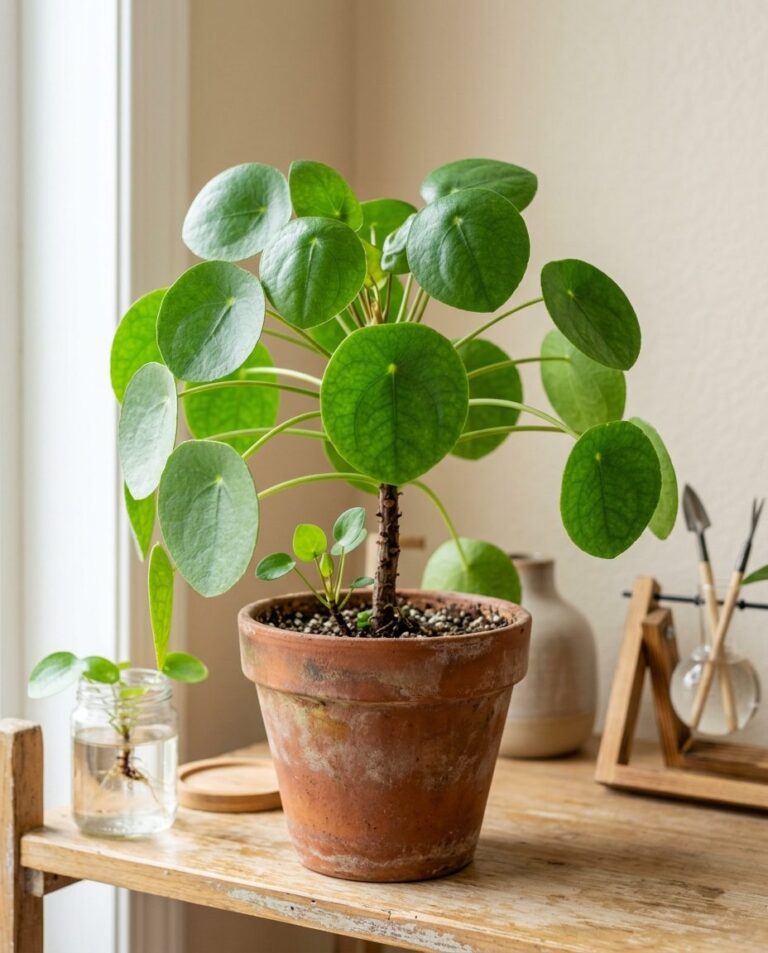
Pilea peperomioides faces specific challenges in Canadian indoor environments, particularly during the heating season when humidity drops significantly. Leaf curling often indicates insufficient humidity, common in Canadian homes where indoor humidity can drop to 20% or lower. Yellow leaves typically signal overwatering, especially problematic during Canadian winters when reduced light slows the plant’s water uptake.
Humidity Solutions
Increase humidity around your Pilea by placing it on a pebble tray filled with water or grouping it with other houseplants. Canadian gardeners in Alberta where winter air is particularly dry often use room humidifiers to maintain optimal conditions for tropical plants. Avoid misting the leaves directly as water droplets can cause fungal issues in the cooler temperatures of Canadian homes.
Temperature Stress Management
Keep your plant away from heating vents, fireplaces, and drafty windows common in Canadian homes. Sudden temperature changes can cause leaf drop or stunted growth. The ideal temperature range of 18-24°C is easily maintained in most Canadian homes, but avoid placing plants near frequently opened doors during winter months.
Soil Mix and Repotting Schedule
Use a well-draining potting mix combining equal parts quality houseplant soil, perlite, and peat moss. Canadian garden centers like Home Depot and local nurseries carry suitable African violet soil mixes that work excellently for Pilea peperomioides. The plant prefers slightly acidic to neutral soil with a pH between 6.0-7.0.
Repotting Timeline
Repot every 12-18 months in spring when new growth begins, typically March or April in most Canadian provinces. Choose a pot only 2-3 cm larger in diameter as Pilea peperomioides prefers to be slightly root-bound. Terra cotta pots work well in Canadian climates as they allow soil to breathe and prevent waterlogging during humid summer months.
Soil Drainage Considerations
Ensure pots have drainage holes and add a layer of gravel or pottery shards at the bottom. Canadian tap water often contains minerals that can build up in soil, so flushing the soil monthly with distilled water helps prevent salt accumulation.
Propagation and Sharing Your Plant Wealth
One of the most delightful aspects of growing Pilea peperomioides is its generous production of baby plantlets or pups that emerge from the soil around the mother plant. These offset shoots can be carefully separated when they reach 5-8 cm in height and have developed their own root system. Canadian plant enthusiasts often share these friendship plants with neighbors and colleagues, contributing to the species’ popularity across the country.
Separation Technique
Use a clean, sharp knife to cut the connecting runner between the mother plant and offset, ensuring each pup has adequate roots. Allow the cut surfaces to dry for 24 hours before planting to prevent rot, particularly important in the humid conditions of Canadian summers. Plant the separated pups in small 8-10 cm pots using the same soil mix as the parent plant.
Propagation Success Tips
Place newly separated plantlets in bright, indirect light and maintain consistent moisture without overwatering. Canadian growers often have 90% success rates with Pilea propagation when following proper techniques. The best time for propagation in Canada is late spring through early summer when plants are actively growing and can recover quickly from the separation process.