

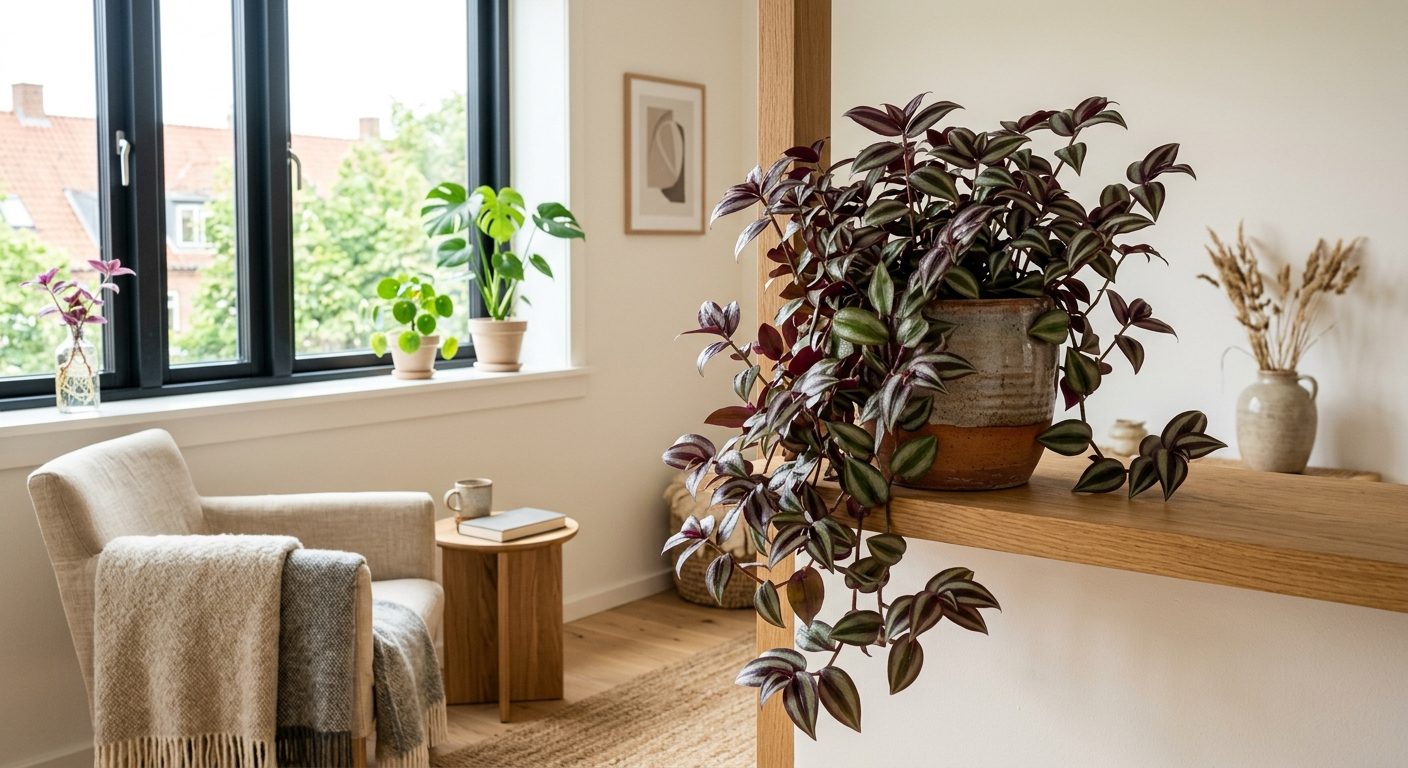
Meet the Wandering Jew Plant
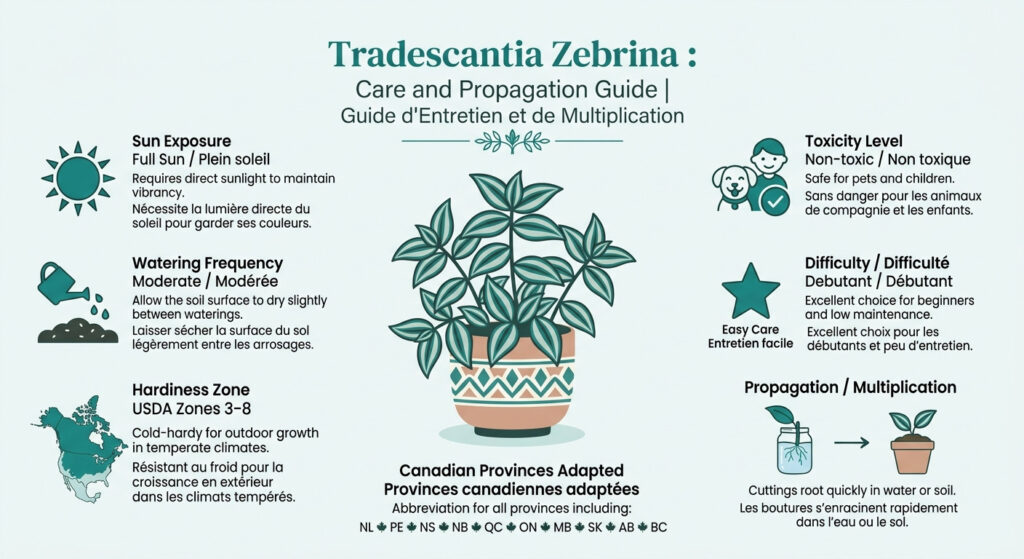
The Tradescantia zebrina, commonly known as wandering jew or inch plant, has become one of Canada’s most beloved trailing houseplants. With its distinctive purple and silver striped leaves and cascading growth habit, this tropical beauty transforms any space into a lush indoor jungle. Originally from Mexico and Central America, this adaptable plant has found its perfect home in Canadian living rooms from British Columbia to Nova Scotia. Whether you’re a beginner gardener in zone 4 Montreal or an experienced plant parent in zone 6 Toronto, the wandering jew offers year-round beauty with minimal fuss. Its rapid growth and easy propagation make it particularly appealing to Canadian plant enthusiasts who want quick results during our long winter months.
| Characteristic | Value |
|---|---|
| Botanical name | Tradescantia zebrina |
| Plant type | Tropical trailing perennial |
| Mature size | 15-25 cm tall, 30-60 cm spread |
| Light | Bright indirect light |
| Watering | Weekly during growing season |
| Ideal temperature | 18-24°C |
| Humidity | 40-50% |
| Hardiness zones (outdoors) | Zone 9-11 (indoor only in Canada) |
| Toxicity | Mildly toxic to cats and dogs |
| Difficulty level | Beginner |
Light Requirements and Placement in Canadian Homes
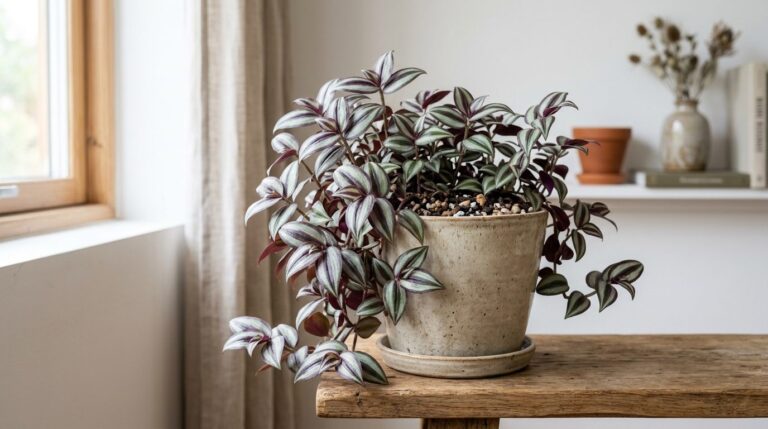
Proper lighting is crucial for maintaining the vibrant purple coloration that makes Tradescantia zebrina so attractive. In Canadian homes, place your plant near east or west-facing windows where it receives bright, filtered light for 4-6 hours daily. The intense summer sun in provinces like Alberta and Saskatchewan can scorch the delicate leaves, so avoid direct southern exposure during peak hours. During Canada’s shorter winter days, especially in northern regions like Yukon territory, consider supplementing with a grow light positioned 30-40 cm above the plant for 12-14 hours daily.
Seasonal Light Adjustments
From November through February, Canadian gardeners should move their Tradescantia closer to windows to compensate for reduced daylight hours. In zone 3 regions like northern Quebec, this becomes even more critical as plants may lose their distinctive coloring without adequate light. The purple undersides of leaves will fade to green, and new growth becomes leggy and sparse. Spring repositioning should begin in March when daylight extends beyond 12 hours across most Canadian provinces.
Indoor Air Circulation
Canadian homes with forced air heating systems can create dry, stagnant conditions that stress wandering jew plants. Position your plant away from direct heat vents but ensure gentle air movement to prevent fungal issues common in humid bathrooms. A small fan running on low speed for 2-3 hours daily helps strengthen stems and prevents pest problems typical in heated indoor environments.
Watering Through Canadian Seasons
The key to successful Tradescantia zebrina care lies in understanding how Canada’s seasonal changes affect watering needs. During the active growing period from April through September, water when the top 2-3 cm of soil feels dry, typically every 5-7 days in most Canadian climates. The plant’s succulent-like stems store moisture, making it surprisingly drought-tolerant once established. In Ontario’s humid summers, reduce watering frequency to prevent root rot, while the dry prairie air of Manitoba and Saskatchewan may require more frequent attention.
Winter Watering Adjustments
Canadian winters dramatically slow plant metabolism, requiring significant watering adjustments. From October through March, reduce watering to every 10-14 days, allowing soil to dry more thoroughly between sessions. Homes heated to 20-22°C create artificial spring conditions, but reduced daylight still slows growth considerably. Check soil moisture with your finger rather than following a strict schedule, as indoor humidity levels vary greatly across Canadian regions.
Water Quality Considerations
Many Canadian municipalities add chlorine and fluoride to tap water, which can cause brown leaf tips on sensitive Tradescantia. Let tap water sit for 24 hours before use, or collect rainwater during Canada’s abundant spring and fall precipitation. In areas with very hard water, like parts of Alberta and Saskatchewan, consider using filtered or distilled water to prevent mineral buildup in soil.
Troubleshooting Common Growth Issues
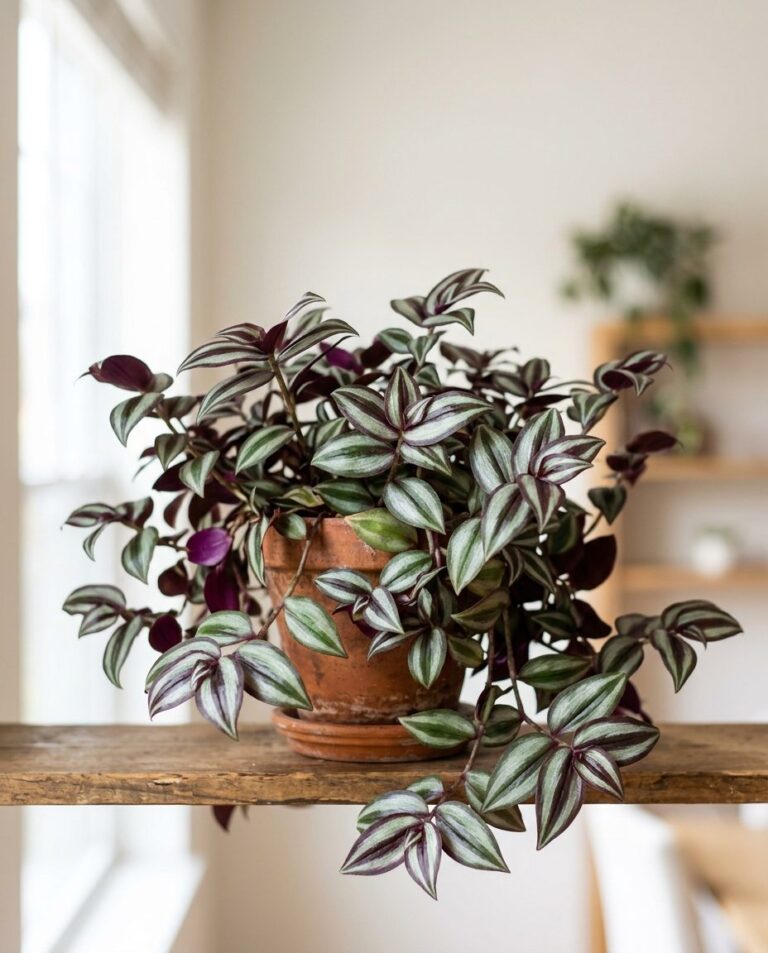
Even resilient Tradescantia zebrina can develop problems in Canadian indoor environments. The most frequent issue is leggy, sparse growth caused by insufficient light during winter months. When stems stretch toward windows and leaves become small and pale, immediately move the plant closer to light sources or add supplemental LED lighting. This problem affects virtually all Canadian growers between November and February, particularly in northern territories where daylight drops below 6 hours daily.
Pest Management in Heated Homes
Canadian indoor heating creates ideal conditions for spider mites and aphids that commonly attack wandering jew plants. These tiny pests thrive in the dry air typical of heated homes across Quebec and Ontario. Weekly inspection of leaf undersides reveals early infestations appearing as tiny webs or clusters of small insects. Treat immediately with insecticidal soap spray, increasing humidity around the plant, and isolating affected specimens to prevent spread to other houseplants.
Root Rot Prevention
Overwatering combined with cool temperatures creates perfect conditions for root rot, especially problematic during Canadian winters when plant metabolism slows. Symptoms include yellowing lower leaves, soft black roots, and a musty odor from soil. Prevention involves using well-draining potting mix, ensuring containers have drainage holes, and reducing watering frequency from October through March. If rot occurs, remove affected roots, repot in fresh soil, and adjust watering schedule immediately.
Propagation Techniques for Canadian Growers
One of the most rewarding aspects of growing Tradescantia zebrina is its incredible ease of propagation, making it perfect for sharing with fellow Canadian plant enthusiasts. The best propagation period runs from March through August when active growth provides optimal success rates. Cut healthy stems 10-15 cm long, ensuring each cutting includes at least 3-4 nodes where roots will develop. These cuttings root readily in water placed on bright windowsills, typically showing new root development within 7-10 days during Canada’s growing season.
Water Propagation Method
Fill clear glass containers with room-temperature water and place cuttings so nodes remain submerged while leaves stay above water surface. Change water every 3-4 days to prevent bacterial growth, particularly important in the warm, humid conditions of Canadian summers. Within 2-3 weeks, roots should reach 2-3 cm length, ready for transplanting into potting mix. This method works exceptionally well during spring months in provinces like British Columbia and Ontario when longer daylight hours accelerate root development.
Direct Soil Propagation
For faster establishment, plant cuttings directly into moist potting mix after removing lower leaves. Create small holes with a pencil to avoid damaging delicate stems, then firm soil gently around cuttings. Keep soil consistently moist but not waterlogged, and place containers in bright, indirect light. This method proves particularly successful during Canada’s warm summer months when soil temperatures remain consistently above 18°C.
Seasonal Care Calendar for Canadian Regions
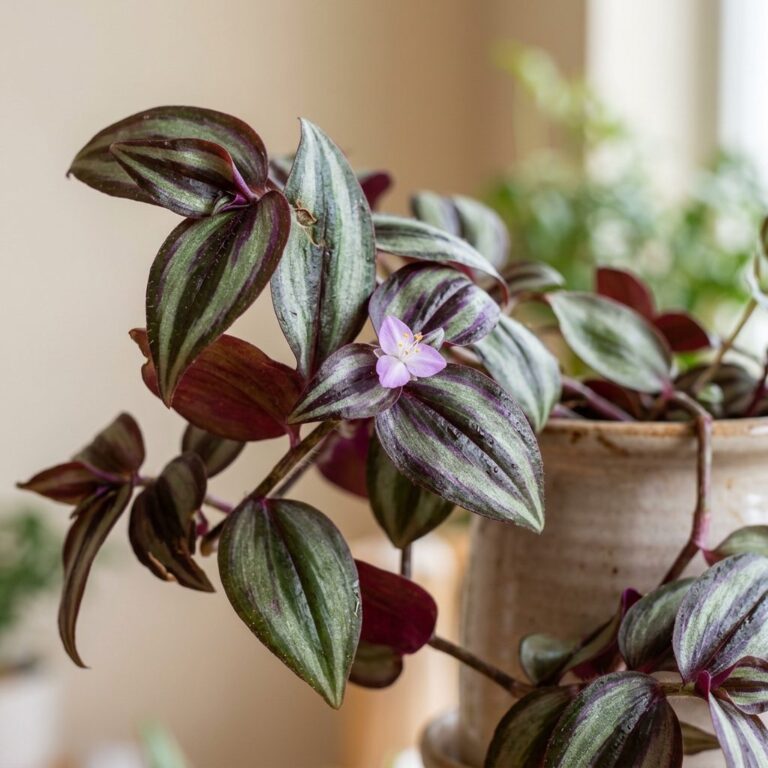
Successfully growing Tradescantia zebrina in Canada requires understanding how seasonal changes affect plant care routines. Spring revival begins in March across southern Canada when daylight hours extend beyond 12 hours daily. This signals the end of dormancy, requiring gradual increases in watering frequency and the first balanced liquid fertilizer application since fall. Move plants closer to windows as available light increases, and begin weekly turning to ensure even growth as stems reach toward strengthening sun.
Summer Maintenance Routines
Canadian summers provide optimal growing conditions for wandering jew plants, with long daylight hours and warm temperatures promoting rapid growth. Weekly watering becomes essential across most provinces, though humid Atlantic provinces like Nova Scotia may require less frequent attention. This is prime time for propagation projects and repotting, as plants quickly recover from root disturbance. Regular pinching of growing tips encourages bushy, full growth rather than long, trailing stems that can become bare at the base.
Winter Dormancy Preparation
As daylight hours shorten in October, begin transitioning plants into winter care routines. Reduce watering frequency gradually, stop fertilizing, and move plants to the brightest available locations in your home. Many Canadian growers find south-facing windows become acceptable during winter months when sun intensity decreases significantly. Monitor for dry air damage from heating systems, particularly in prairie provinces where winter humidity drops below 30%. Consider grouping plants together or using humidity trays to create more favorable microclimates during Canada’s harsh winter period.