

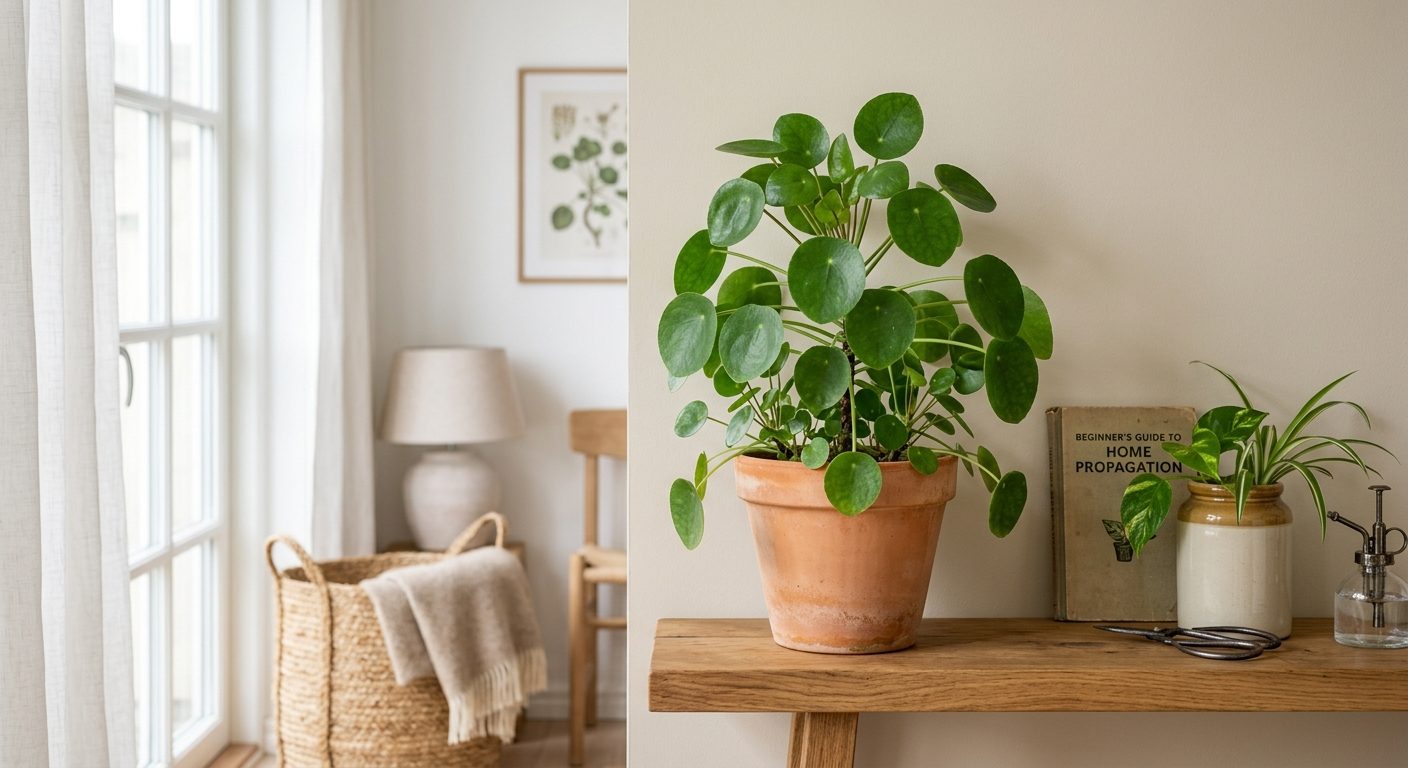
Plant propagation might seem intimidating to newcomers, but it’s actually one of the most rewarding aspects of gardening. The easiest plants to propagate can turn your single houseplant into dozens, filling your home with greenery while saving money. Whether you’re in zone 3 Manitoba or zone 8 British Columbia, these beginner-friendly plants will multiply effortlessly with basic techniques you can master in your first attempt.
Understanding Plant Propagation Basics
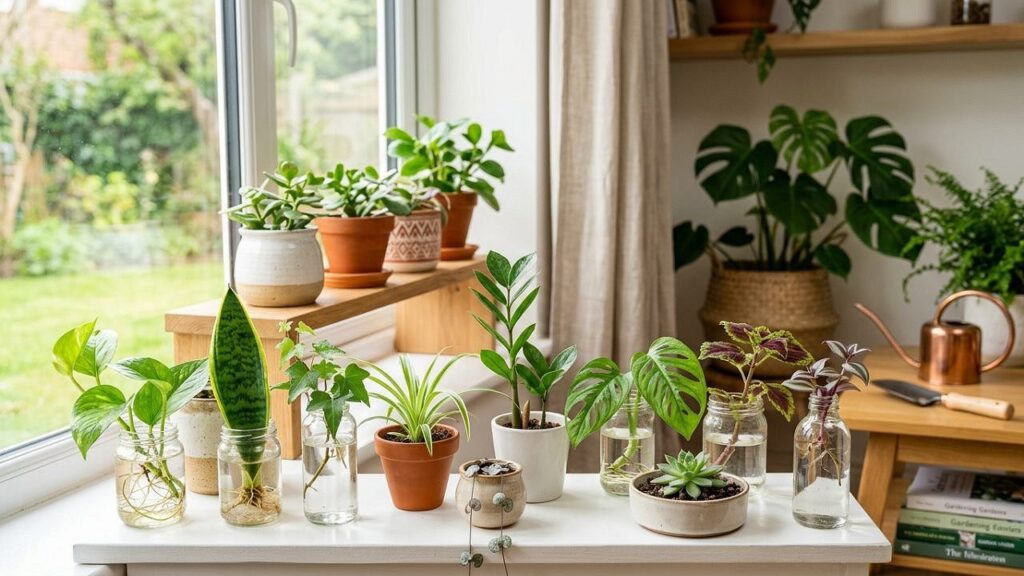
Plant propagation is simply creating new plants from existing ones, and the easiest plants to propagate respond quickly to simple methods like stem cuttings, division, or runners. Most beginners start with water propagation because it’s visual and requires minimal equipment.
Essential Tools for Successful Propagation
You’ll need clean scissors or pruning shears, glass jars for water propagation, potting mix suitable for your climate zone, and small containers. In provinces like Ontario and Quebec, where indoor air can be dry during winter, a humidity dome or plastic bag creates ideal conditions for root development.
When to Propagate Plants
Spring through early fall offers optimal conditions for propagation. In zone 4 regions, start indoor propagation in March when daylight hours increase. Southern zones like 7b can propagate almost year-round, though avoid the hottest summer months for outdoor work.
Top Water Propagation Champions
Pothos: The Ultimate Beginner Plant
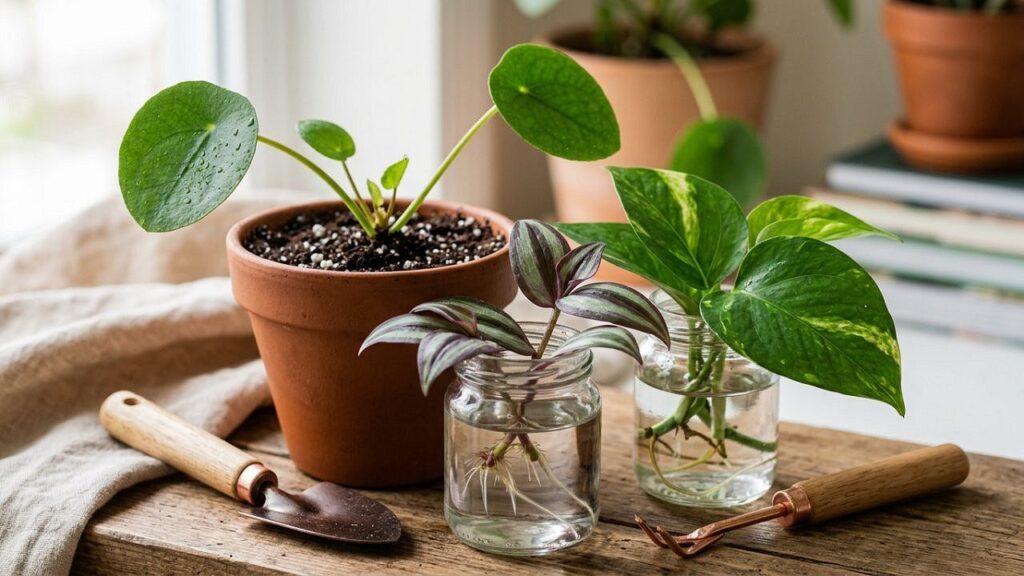
Pothos tops every list of the easiest plants to propagate because it roots in plain water within days. Cut 4-6 inch stems below leaf nodes, place in water, and watch roots develop. This tropical plant thrives indoors across all zones, making it perfect for apartment dwellers in Toronto or Vancouver.
Philodendrons: Reliable Root Producers
Heart-leaf philodendrons propagate identically to pothos but often root even faster. These vining plants adapt to lower light conditions common in northern homes during winter months. Cut stems with at least two nodes and place in bright, indirect light.
Spider Plants: Nature’s Baby Makers
Spider plants produce plantlets (spiderettes) on long runners, making propagation effortless. Simply place runners in water while still attached to the mother plant. Once roots form, cut the connection. These hardy plants survive zone 5 conditions outdoors in summer.
| Plant | Propagation Method | Time to Root | Success Rate |
|---|---|---|---|
| Pothos | Water/Soil Cuttings | 1-2 weeks | 95% |
| Philodendron | Water/Soil Cuttings | 1-2 weeks | 95% |
| Spider Plant | Runners | 2-3 weeks | 90% |
| Tradescantia | Water Cuttings | 1 week | 98% |
| Coleus | Water Cuttings | 1-2 weeks | 85% |
Soil Propagation Success Stories
Succulents: Leaf and Stem Propagation
Jade plants, echeveria, and other succulents rank among the easiest plants to propagate through leaf or stem cuttings. Allow cut surfaces to callus for 24-48 hours before planting in well-draining soil. In humid provinces like Nova Scotia, provide extra ventilation to prevent rot.
Tradescantia: The Speed Demon
Also called inch plant or wandering jew, tradescantia roots faster than almost any other houseplant. Pinch 3-4 inch stems and stick directly into moist soil, or start in water first. This vigorous grower adapts to various light conditions, perfect for homes across zone 6 regions.
Begonias: Colorful and Cooperative
Wax begonias and angel wing begonias propagate easily from 4-inch tip cuttings. Remove lower leaves, dip in rooting hormone if desired, and plant in seed-starting mix. These tender perennials make excellent houseplants for prairie winters.
Specialty Propagation Methods
Division: Splitting Established Plants
Many houseplants, including snake plants, ZZ plants, and peace lilies, propagate through division. Carefully separate root systems during repotting season, ensuring each division has roots and growing points. This method works best for mature plants over two years old.
Air Layering for Challenging Plants
While most easiest plants to propagate don’t require air layering, this technique helps with stubborn species like rubber trees. Wound the stem, wrap with moist sphagnum moss, and cover with plastic until roots develop. This method suits plants that resist cutting propagation.
Seed Starting for Annual Favorites
Coleus, impatiens, and begonias start easily from seed, offering genetic diversity unavailable through cuttings. Start seeds 8-10 weeks before your last frost date in zone 4-5 areas, or 6-8 weeks in warmer zones.
- Water propagation advantages: Visual root development, minimal equipment needed, high success rates
- Soil propagation benefits: No transplant shock, stronger root systems, works for water-sensitive plants
- Division pros: Instant mature plants, rejuvenates overcrowded specimens, 100% genetic match to parent
- Runner propagation perks: Natural process, high success rate, creates connected plant colonies
Troubleshooting Common Propagation Problems
Preventing Root Rot in Water Propagation
Change water every 3-4 days and rinse stems gently to prevent bacterial buildup. Use filtered or distilled water in areas with heavily chlorinated tap water. If stems turn mushy, trim affected areas and start fresh with clean water.
Addressing Slow or Failed Rooting
Temperature affects rooting speed significantly. Maintain 65-75°F (18-24°C) for optimal results, using heat mats in cool basements or during winter months. Poor lighting also slows root development, so provide bright, indirect light for most species.
Managing Seasonal Challenges
Winter propagation faces unique challenges in northern zones. Low humidity from heating systems stresses cuttings, while reduced daylight slows growth. Use grow lights and humidity trays to create ideal conditions during the growing season.
- Spring propagation: Best time for most species, increasing daylight promotes growth
- Summer caution: Avoid extreme heat, provide extra humidity for tender cuttings
- Fall opportunity: Good time for indoor propagation, plants establish before winter
- Winter challenges: Low light and humidity require supplemental support
Mastering propagation with these beginner-friendly plants builds confidence for tackling more challenging species. Start with pothos or spider plants to experience quick success, then expand your skills with different methods and plant varieties. Remember that even experienced gardeners face occasional failures, so don’t be discouraged by setbacks. Each propagation attempt teaches valuable lessons about plant biology and care requirements. Soon you’ll be sharing plants with friends and expanding your indoor jungle with these reliable, easiest plants to propagate for beginners.
Frequently asked questions
Pothos, spider plants, and tradescantia (inch plant) are the most foolproof options for beginners. These plants root quickly in water, require minimal equipment, and have success rates above 90%. Pothos and tradescantia root within 1-2 weeks, while spider plants produce ready-made plantlets on runners.
Water propagation is better for beginners because you can see root development and it requires no special soil or equipment. Simply place cuttings in clean glass jars with water. Change the water every 3-4 days to prevent bacteria. Once roots reach 1-2 inches long, transfer to soil.
Spring through early fall offers optimal conditions for propagation. In zones 4-5, start in March when daylight increases. Avoid winter propagation unless you have grow lights, as low light and dry indoor air from heating systems make success more difficult. Southern zones can propagate almost year-round.
Most easy-to-propagate plants develop roots within 1-3 weeks. Pothos and philodendrons typically show roots in 7-10 days, while tradescantia can root in just 5-7 days. Succulents take longer at 3-4 weeks, and some woody plants may require 6-8 weeks for strong root development.