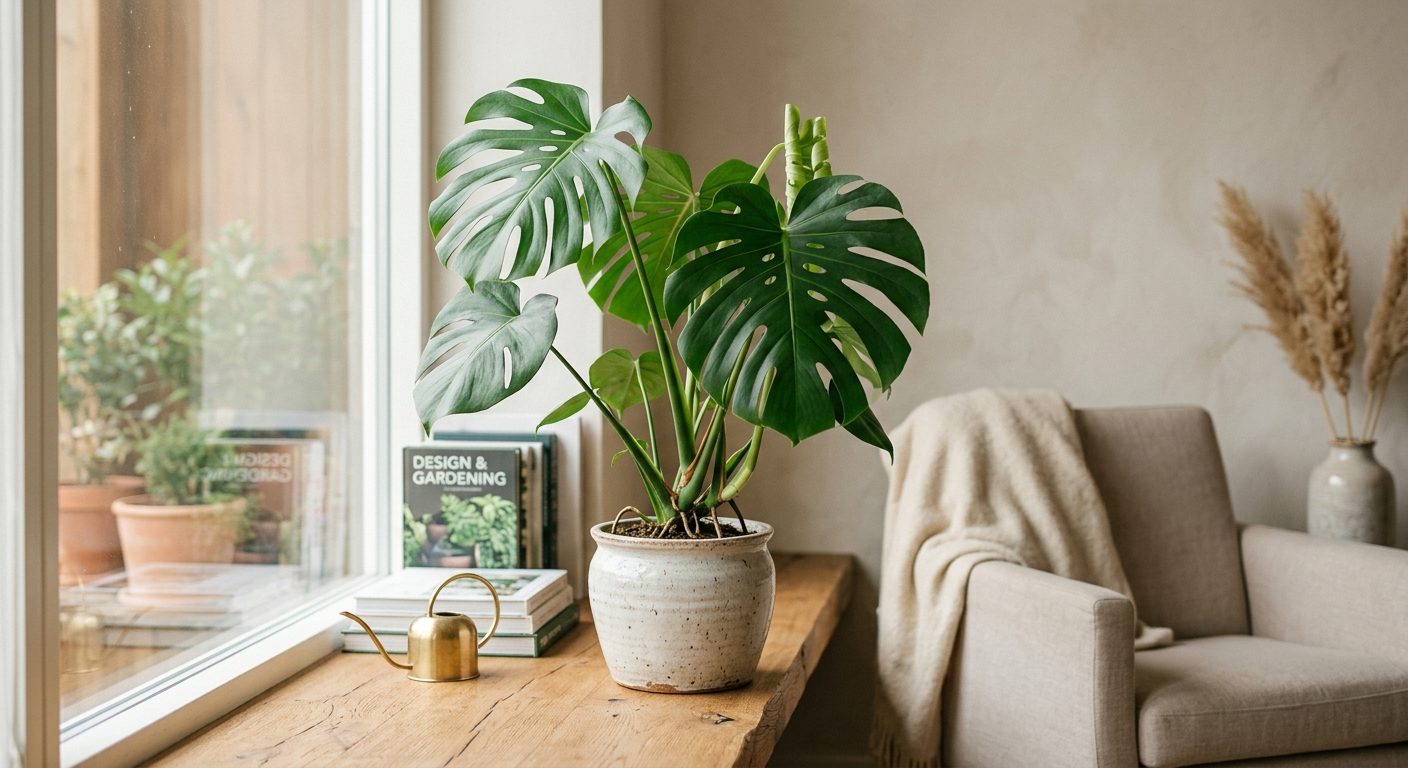
The gardening world is evolving rapidly, and gardening trends for 2026 are already taking root across growing zones from coast to coast. From innovative water-saving techniques to climate-resilient plant varieties, next year promises exciting developments for both novice and seasoned gardeners. Whether you’re tending a small balcony garden in Toronto or managing acres in Alberta, these emerging trends will reshape how we approach outdoor spaces.
Climate-Adaptive Native Plant Gardens
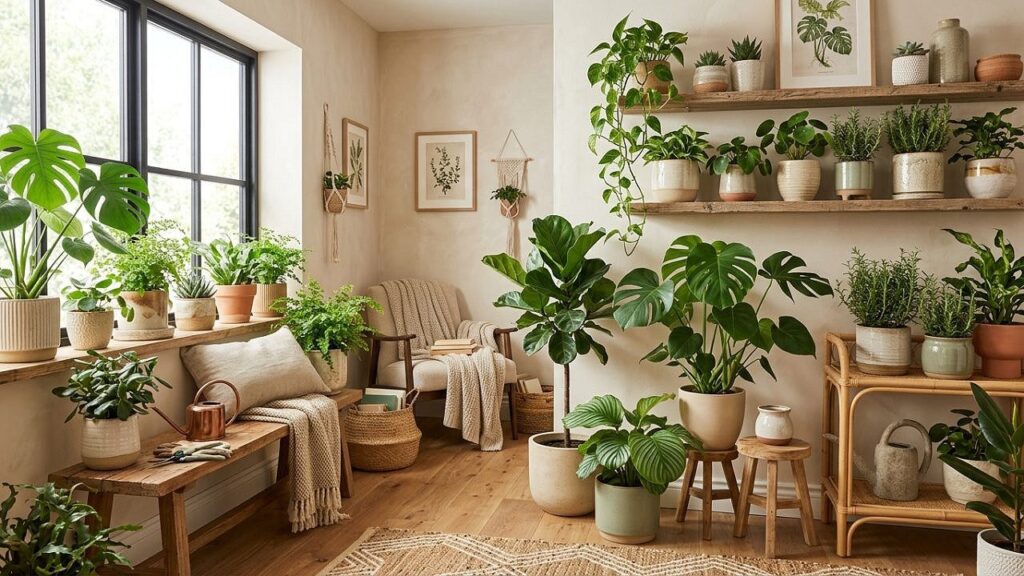
Native plant gardening continues its meteoric rise, but 2026 takes this trend to new heights with climate-adaptive selections. Gardeners are increasingly choosing plants that can handle extreme weather fluctuations while supporting local ecosystems.
Zone-Specific Native Selections
In zone 3 regions like Manitoba and Saskatchewan, Symphyotrichum ericoides (white oldfield aster) and Elymus canadensis (nodding wild rye) are becoming garden staples. These hardy perennials thrive in harsh conditions while providing crucial habitat for pollinators.
Pollinator Powerhouse Gardens
The focus shifts from simply attractive gardens to functional ecosystems. Popular choices include wild bergamot, purple coneflower, and native milkweeds, creating corridors for monarch butterflies migrating through Ontario and Quebec.
Drought-Tolerant Landscaping
With unpredictable rainfall patterns, xerophytic gardening gains traction even in traditionally wet regions. Sedum varieties, prairie grasses, and native shrubs like serviceberry create stunning, low-maintenance landscapes.
Smart Technology Integration
Technology revolutionizes how we monitor and maintain our gardens, making gardening trends for 2026 more efficient and data-driven than ever before.
Automated Irrigation Systems
Smart watering systems now integrate weather forecasts, soil moisture sensors, and plant-specific needs. These systems prove especially valuable in British Columbia’s varied microclimates, where rainfall can vary dramatically within short distances.
Garden Monitoring Apps
Mobile applications now offer real-time pest identification, disease diagnosis, and personalized care schedules based on local growing conditions. Many apps specifically cater to northern growing zones, accounting for shorter seasons and frost dates.
Climate-Controlled Growing Spaces
Compact greenhouse technology and season extenders become more sophisticated and affordable. Four-season growing in zone 2 areas becomes increasingly feasible with advanced insulation and heating systems.
Edible Landscape Design
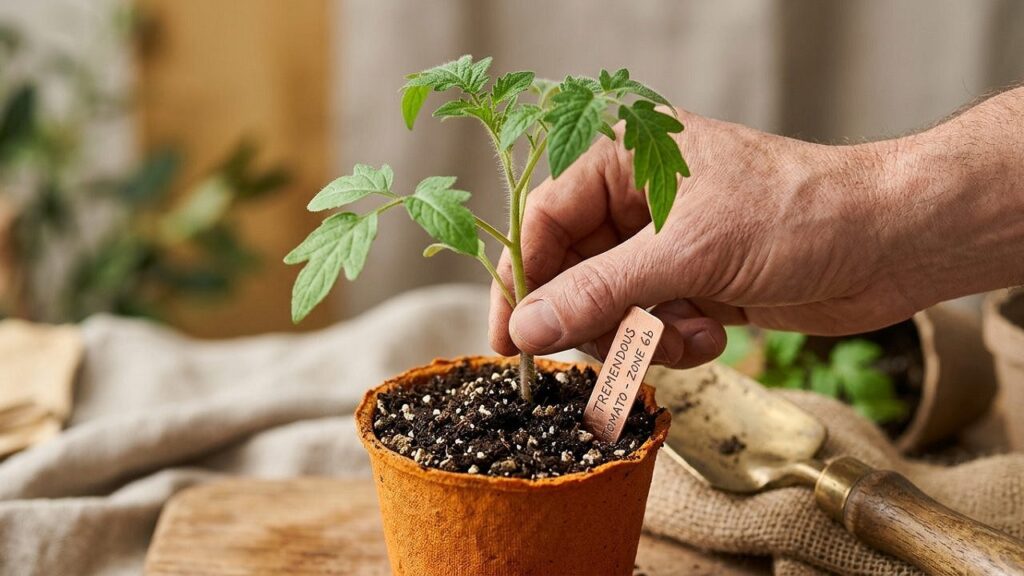
Ornamental gardens blend seamlessly with food production as edible landscaping reaches mainstream adoption. This trend addresses food security concerns while creating beautiful, functional outdoor spaces.
Perennial Food Forests
Multi-layered food systems incorporate fruit trees, berry bushes, and edible ground covers. In zone 5 regions like southern Ontario, combinations of apple trees, elderberries, and wild ginger create productive yet attractive landscapes.
Heritage Variety Revival
Gardeners embrace historical plant varieties adapted to local conditions over generations. Heritage tomatoes, beans, and grains specifically selected for northern growing conditions experience renewed popularity.
| Trend Category | Primary Benefit | Best Suited Zones | Investment Level |
|---|---|---|---|
| Native Plant Gardens | Ecosystem support | All zones | Low-Medium |
| Smart Technology | Efficiency | 4-9 | Medium-High |
| Edible Landscapes | Food production | 3-8 | Medium |
| Indoor Growing | Year-round harvest | 1-4 | Medium-High |
| Water Management | Conservation | All zones | Low-Medium |
Container-Based Food Systems
Urban gardeners maximize limited space with sophisticated container systems. Stackable planters, self-watering systems, and compact varieties make fresh food production possible on balconies and small patios across major cities.
Regenerative Gardening Practices
Sustainability moves beyond organic practices to actively improve soil health and carbon sequestration. These gardening trends for 2026 focus on healing damaged ecosystems while producing beautiful gardens.
No-Till Growing Methods
Cover cropping and mulching techniques replace traditional tilling, preserving soil structure and beneficial microorganisms. This approach proves particularly effective in clay-heavy soils common throughout the Prairie provinces.
Composting Innovation
Advanced composting systems handle kitchen scraps and yard waste more efficiently. Bokashi fermentation and worm composting adapt well to indoor winter conditions in northern regions.
- Layer-cake composting systems that work through winter freezes
- Insulated compost bins designed for extreme temperature fluctuations
- Small-batch fermentation systems for apartment dwellers
- Community composting networks in urban neighborhoods
Soil Microbiome Enhancement
Gardeners actively cultivate beneficial soil bacteria and fungi through targeted amendments and plant selections. Mycorrhizal inoculants become standard additions to planting routines.
Year-Round Growing Solutions
Short growing seasons drive innovation in season extension and indoor growing techniques. These methods allow gardeners in zones 1-4 to enjoy fresh produce and flowers throughout the year.
Advanced Cold Frames
Modern cold frames incorporate thermal mass, automatic venting, and insulated covers. These systems extend growing seasons by 6-8 weeks in northern regions, making fresh salads possible well into December.
Hydroponic Home Systems
Compact hydroponic setups bring commercial growing techniques into homes. LED grow lights designed for specific plant needs make year-round herb and vegetable production economically viable.
- Countertop herb gardens with automated nutrient delivery
- Vertical growing towers for maximum space efficiency
- Aquaponics systems combining fish and plant production
- Modular systems that expand with growing experience
Micro-Green Production
Quick-growing micro-greens provide fresh nutrition throughout winter months. Specialized growing mats and trays make this trend accessible to gardeners with minimal space or experience.
Water-Wise Garden Design
Water conservation becomes paramount as climate patterns shift and municipal restrictions increase. These techniques ensure lush gardens while minimizing water consumption.
Rain Water Harvesting
Sophisticated rain collection systems integrate seamlessly into landscape design. Bioswales and rain gardens manage runoff while creating attractive planted areas that thrive with natural precipitation patterns.
Greywater Systems
Household greywater finds new life irrigating ornamental plants. Simple filtration systems allow safe reuse of water from sinks and washing machines, particularly valuable in drier regions of Alberta and Saskatchewan.
Mulching Strategies
Advanced mulching techniques using local materials reduce watering needs by up to 50%. Living mulches and cover crops provide ongoing soil protection while adding visual interest to garden beds.
The gardening trends for 2026 represent more than aesthetic choices; they reflect our evolving relationship with the environment and our responsibility as stewards of the land. These innovations help gardeners create productive, beautiful spaces while supporting biodiversity and adapting to changing climate conditions. Whether you’re planning a complete landscape overhaul or simply want to incorporate a few new techniques, these trends offer practical solutions for gardeners in every zone. Start planning now to get ahead of these exciting developments and create the garden of the future in your own backyard.
Frequently asked questions
Zone 3 gardeners should focus on native plant gardens with hardy perennials like white oldfield aster, advanced cold frames for season extension, and smart irrigation systems that account for extreme temperature fluctuations. These trends offer the best return on investment in harsh climates.
Basic smart irrigation systems start around $200-300, while comprehensive monitoring setups can cost $800-1200. Start with soil moisture sensors and automated timers, then expand your system over time as you see the benefits and ROI.
Native gardens actually require less maintenance once established, typically taking 2-3 years to mature. The key is proper site preparation, removing invasive species first, and choosing plants suited to your specific growing zone and soil conditions.
Yes, advanced cold frames, indoor hydroponic systems, and micro-green production make fresh food possible through winter in zones 1-4. Leafy greens, herbs, and sprouts are the most successful crops for year-round production in northern regions.