

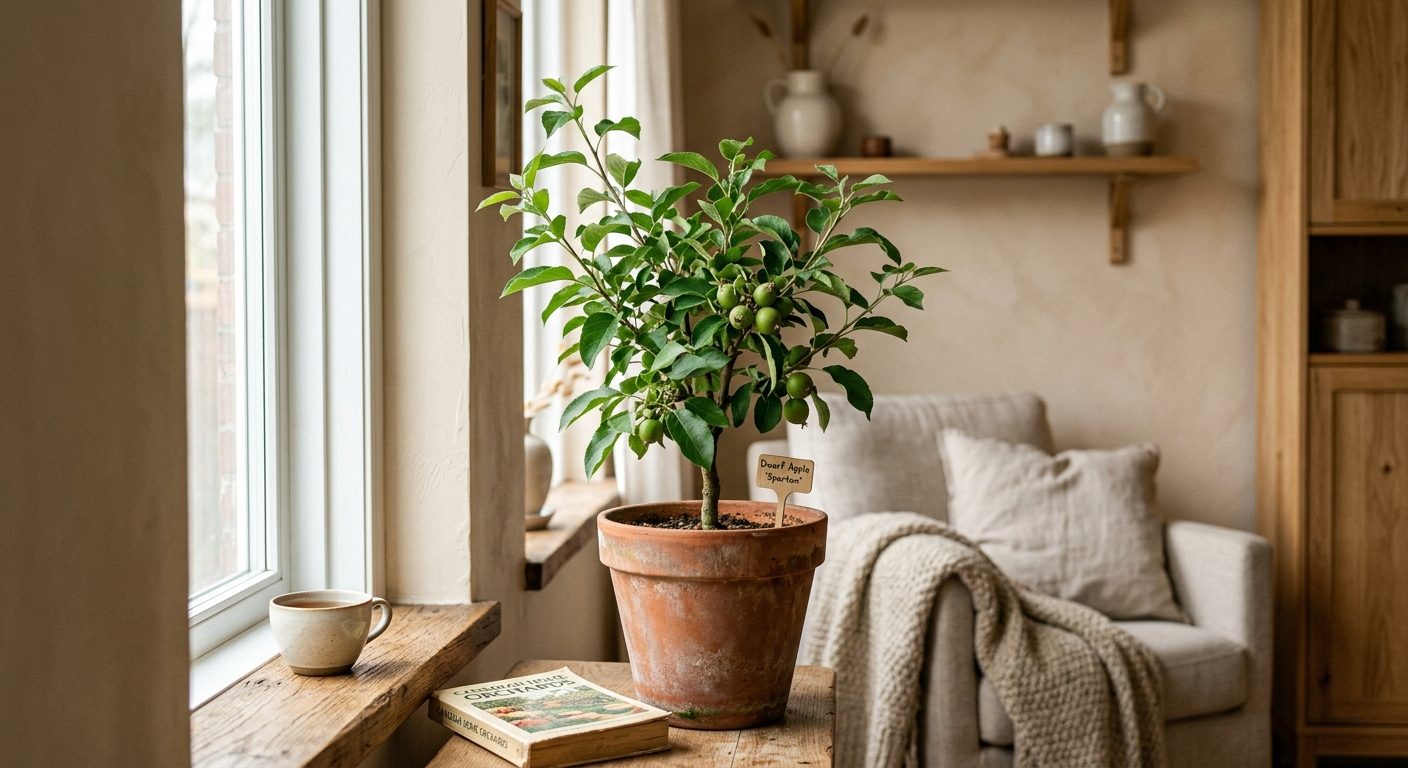
Growing fruit trees in Canada presents unique challenges and remarkable rewards for gardeners across our diverse climate zones. From the mild coastal regions of British Columbia to the harsh winters of Ontario and the maritime conditions of Atlantic Canada, success with fruit trees requires understanding your local growing conditions and selecting appropriate varieties. The key lies in choosing cold-hardy cultivars that can withstand our unpredictable weather patterns while still producing delicious, homegrown fruit.
Canadian gardeners have access to an impressive array of fruit tree options, from traditional apples and pears that have been cultivated here for centuries to more exotic choices like hardy peaches and plums. The secret to thriving fruit trees in our climate involves proper variety selection, strategic planting locations, and understanding the specific care requirements for each type. Whether you’re working with a small urban lot or a sprawling rural property, there’s a fruit tree solution that can work for your Canadian garden.
Modern breeding programs have developed numerous cold-hardy varieties specifically for northern climates, making it easier than ever to enjoy fresh fruit from your own backyard. These advances, combined with proper planting techniques and seasonal care, mean that even gardeners in zone 4 can successfully grow multiple types of fruit trees and enjoy bountiful harvests for decades to come.
Choosing the Right Varieties for Your Zone
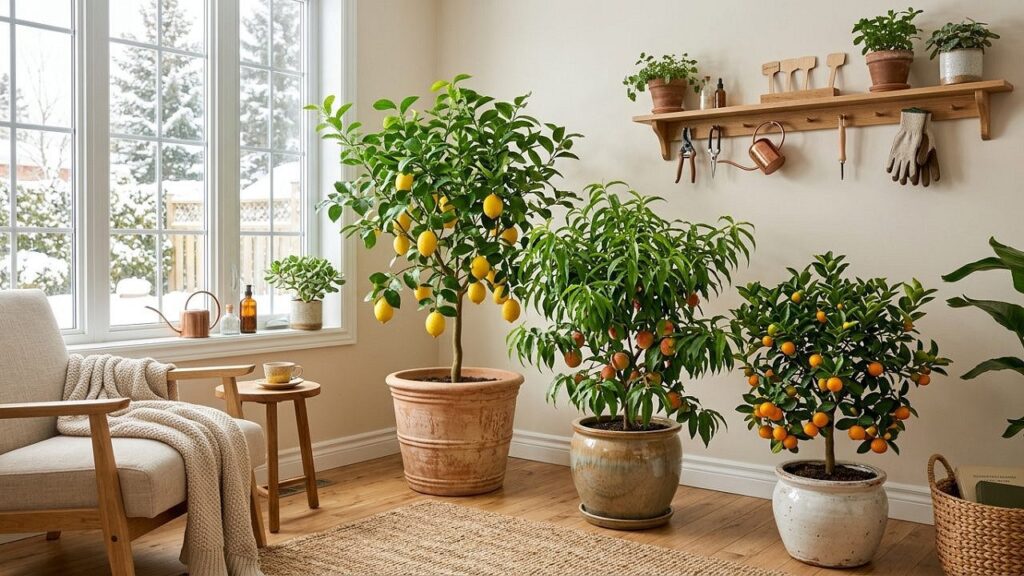
The foundation of successful fruit tree growing in Canada starts with selecting varieties that match your specific hardiness zone and local growing conditions. Cold hardiness is the most critical factor, as fruit trees that aren’t suited to your zone will struggle to survive winter temperatures and may never produce quality fruit. Apple trees generally offer the most options for Canadian gardeners, with varieties like Honeycrisp, Prairie Sensation, and Prairie Magic thriving in zones 3-4, while more tender varieties like Gala and Red Delicious work well in zones 5-7.
Beyond simple cold tolerance, consider factors like bloom timing and chill hour requirements when making your selections. Early-blooming varieties risk frost damage in areas with unpredictable spring weather, while late-season varieties may not have sufficient time to ripen in shorter growing seasons. Stone fruits like plums and cherries have been bred specifically for prairie conditions, with varieties like Brookgold plum and Romeo cherry offering excellent cold tolerance and reliable production.
Regional preferences also play a significant role in variety selection. British Columbia gardeners can grow a wider range of tender fruits, including some apple varieties that wouldn’t survive in Ontario or Atlantic Canada. Meanwhile, prairie-bred varieties often excel in areas with similar continental climates, even outside their original breeding regions.
Your local nursery or extension service can provide invaluable guidance on the best varieties for your specific location. Consider these essential factors when making your selection:
- Hardiness zone rating that matches or exceeds your area’s designation
- Bloom timing that avoids your region’s typical late frost dates
- Ripening time that allows fruit to mature before fall frosts
- Disease resistance appropriate for your local pest and disease pressures
- Pollination requirements and compatible varieties if cross-pollination is needed
- Mature size that fits your available space and intended use
Optimal Planting Techniques and Timing
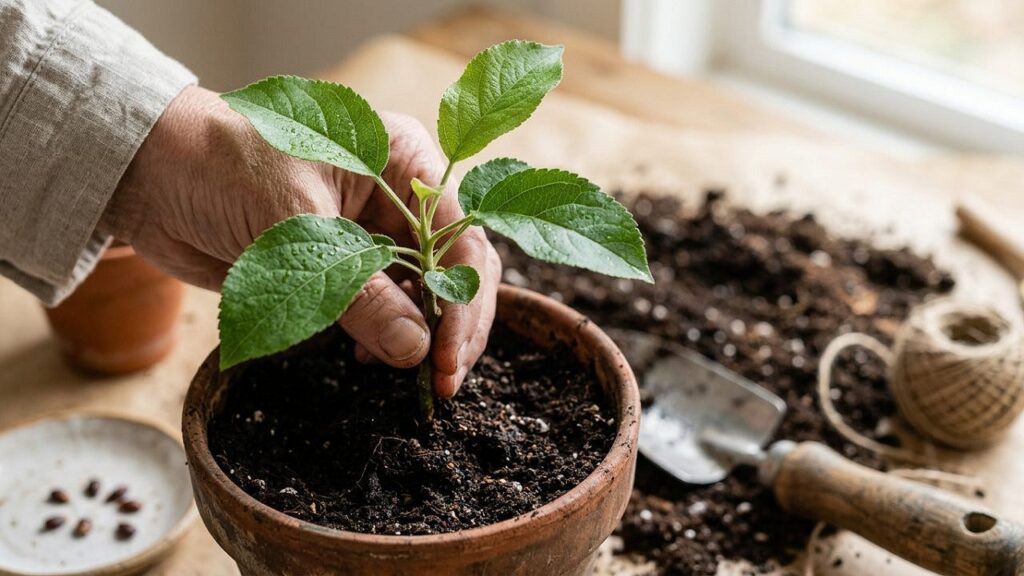
Timing your fruit tree planting correctly can make the difference between success and failure in Canadian gardens. Spring planting is generally preferred across most of Canada, allowing trees to establish their root systems before facing their first winter. Plan to plant after the last hard frost but early enough in the season to give trees at least 10-12 weeks of growing time before fall temperatures begin to drop consistently.
Site preparation is crucial for long-term tree health and productivity. Choose locations with full sun exposure, good air circulation, and well-draining soil. Canadian soils often benefit from amendments, particularly in areas with heavy clay or sandy conditions. Adding compost and ensuring proper drainage helps prevent common issues like root rot and winter damage that can plague fruit trees in our climate.
Proper planting depth and technique set the stage for decades of healthy growth. The graft union should remain 2-3 inches above the soil line to prevent the rootstock from taking over. In areas with harsh winters, consider planting slightly deeper than you might in warmer climates, but never bury the graft union completely.
Mulching immediately after planting helps retain moisture and suppress weeds while protecting roots from temperature extremes. Use organic mulches like wood chips or straw, keeping them 4-6 inches away from the trunk to prevent rodent damage and disease issues that are common concerns in Canadian gardens.
Best Fruit Tree Options by Canadian Region
| Region | Recommended Varieties | Special Considerations |
|---|---|---|
| British Columbia | Gala apples, Italian plums, Bing cherries, Bartlett pears | Take advantage of milder climate for tender varieties |
| Prairie Provinces | Prairie Sensation apples, Evans cherries, Brookgold plums | Focus on university-bred hardy varieties |
| Ontario | Honeycrisp apples, Harrow Sweet pears, Greengage plums | Consider local disease pressures and humidity |
| Atlantic Canada | Cortland apples, Flemish Beauty pears, Compass cherries | Plan for salt tolerance and wind protection |
| Northern Regions | Prairie Magic apples, Haskaps, Sea Buckthorn | Emphasize extreme cold hardiness over variety |
Seasonal Care and Maintenance Practices
Successful fruit tree cultivation in Canada requires attention to seasonal care practices that address our unique growing conditions. Spring care begins with careful inspection for winter damage and proper pruning before buds break. Remove any damaged branches and maintain good tree structure through selective pruning, which is especially important in areas that experience ice storms or heavy snow loads.
Summer maintenance focuses on watering, pest monitoring, and fruit thinning. Canadian summers can vary dramatically from year to year, making consistent watering crucial during dry periods. Deep, infrequent watering encourages strong root development that helps trees survive both summer droughts and winter cold. Fruit thinning in early summer prevents branch breakage and ensures larger, higher-quality fruit.
Fall preparation is critical for Canadian fruit tree success. Proper fall care includes cleaning up fallen fruit and leaves to reduce disease pressure, applying protective mulch around the base, and potentially wrapping young trees to prevent sun scald and rodent damage during winter months.
Winter protection varies by region but often includes measures to prevent sun scald, rodent damage, and ice accumulation. Tree guards, reflective paint on trunks, and strategic placement of windbreaks can all contribute to better winter survival rates.
Regular maintenance tasks that ensure long-term success include:
- Annual soil testing and appropriate fertilization based on results
- Consistent pruning schedule to maintain size and shape
- Regular monitoring for pest and disease issues
- Proper irrigation during establishment and dry periods
- Winter protection measures appropriate for your zone
- Harvest timing optimization for best fruit quality and storage
Maximizing Success in Canadian Conditions
Canadian fruit tree growing success comes from understanding and working with our challenging but rewarding climate conditions. Microclimate management can significantly extend your growing possibilities, allowing you to successfully grow varieties that might otherwise be marginal in your zone. Strategic placement near south-facing walls, proper windbreak installation, and careful attention to drainage can create growing conditions that are effectively one zone warmer than your official designation.
Building a diverse fruit tree collection spreads risk and extends your harvest season. Rather than planting multiple trees of the same variety, consider selecting early, mid-season, and late varieties of your chosen fruits. This approach provides fresh fruit over a longer period and reduces the impact if weather conditions affect one particular variety’s production in any given year. Canadian gardeners who embrace this diversity often find they can enjoy fresh fruit from their own trees from midsummer through late fall, with proper storage extending the season even further.
Frequently asked questions
Hardy apple varieties like Prairie Sensation and Honeycrisp, along with university-bred stone fruits like Evans cherries and Brookgold plums work exceptionally well. These varieties can withstand temperatures down to -30°C and still produce quality fruit.
Spring planting after the last hard frost is ideal across most Canadian regions. This typically means May in most areas, allowing 10-12 weeks for root establishment before winter.
Use tree guards to prevent rodent damage, apply reflective paint to prevent sun scald, and mulch around the base for root protection. Young trees may need wrapping in harsh winter areas.
Yes, with proper variety selection. Hardy varieties like Romeo cherries and certain dwarf peaches can survive in zones 4-5, while milder regions can grow a wider selection of stone fruits.