
Living in a small apartment doesn’t mean you have to give up your gardening dreams. With the right strategies and plant selections, you can transform even the tiniest space into a lush, productive garden that brings nature indoors year-round. Small space gardening has become increasingly popular across urban centres from Vancouver to Halifax, as more people discover the joy and benefits of growing their own plants in compact living situations.
Essential Container Selection for Apartment Gardens
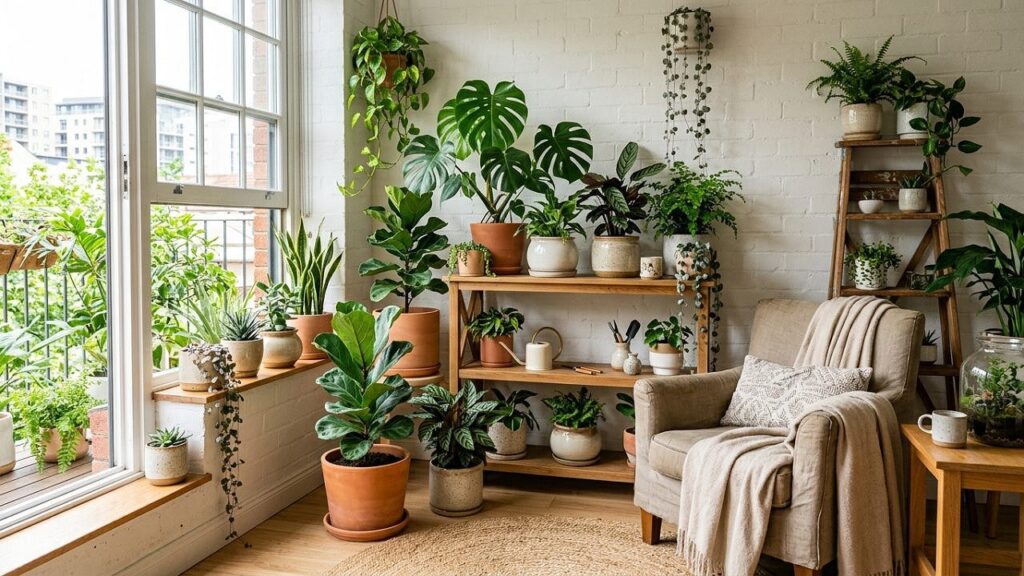
The foundation of successful small space gardening lies in choosing the right containers. Your container selection will determine not only what you can grow but how efficiently you can use your limited space.
Size and Drainage Requirements
For apartment gardening, containers should have drainage holes and be appropriately sized for your chosen plants. Herbs like basil and oregano thrive in 6-inch pots, while tomatoes and peppers need at least 12-inch containers. Consider self-watering planters for consistent moisture, especially important in heated apartments during Ontario winters or dry Alberta summers.
Material Considerations for Indoor Growing
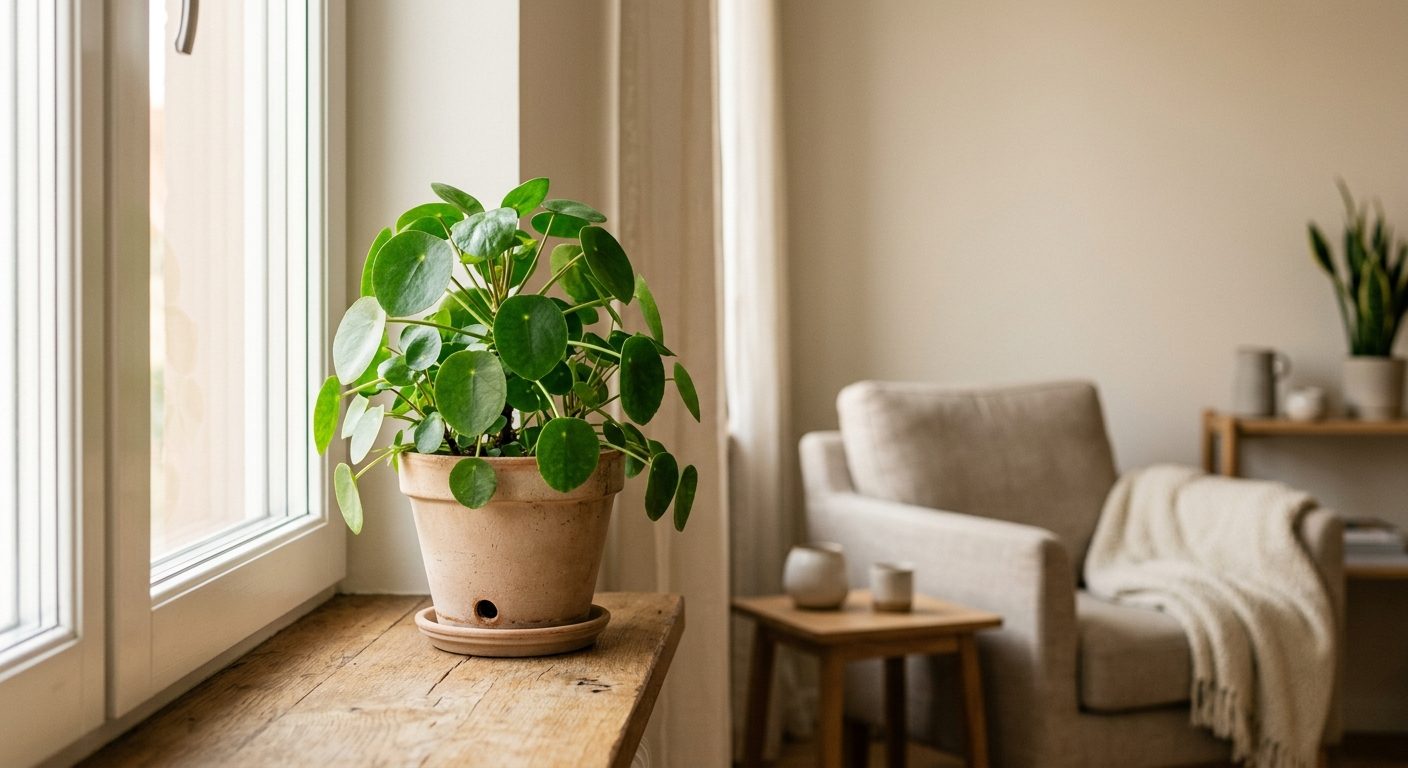
Plastic containers are lightweight and retain moisture well, making them ideal for apartment dwellers who may need to move plants seasonally. Ceramic and terracotta pots offer better root health through improved air circulation but require more frequent watering. For zone 5 regions like southern Quebec, consider containers that can transition from indoor to outdoor growing seamlessly.
Space-Efficient Container Systems
Stackable planters and tiered growing systems maximize vertical space while maintaining easy access for maintenance. Window box planters utilize sill space effectively, while hanging baskets take advantage of ceiling areas without occupying floor space.
Vertical Growing Solutions That Maximize Space
Vertical gardening transforms walls and unused vertical space into productive growing areas, dramatically increasing your small space gardening potential without expanding your footprint.
Wall-Mounted Growing Systems
Install wall-mounted planters or pocket gardens to create living walls that serve as both functional growing space and attractive room features. These systems work particularly well for shallow-rooted plants like lettuce, spinach, and herbs that adapt well to apartment conditions.
Trellises and Climbing Support Structures
Compact trellises support climbing vegetables like peas, beans, and cucumbers, allowing you to grow vertically instead of outward. Choose varieties specifically bred for container growing, such as ‘Patio Pride’ tomatoes or ‘Space Master’ cucumbers that thrive in zone 6 conditions common in southern British Columbia.
Hanging Garden Solutions
Ceiling hooks and hanging planters utilize overhead space effectively for trailing plants like cherry tomatoes, strawberries, and cascading herbs. Ensure adequate support for heavier fruiting plants and consider the weight distribution across multiple hanging points.
Smart Plant Choices for Limited Light and Space
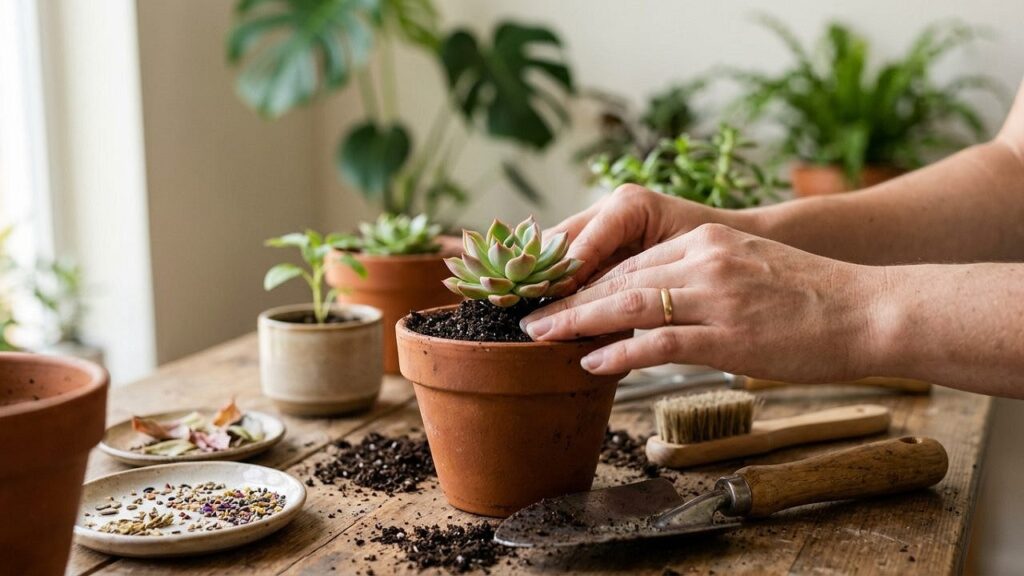
Selecting appropriate plants for your small space gardening venture requires considering both space constraints and the typically limited natural light available in apartments.
Low-Light Tolerant Vegetables
Leafy greens excel in apartment conditions with minimal light requirements. Lettuce varieties like ‘Black Seeded Simpson’ and ‘Buttercrunch’ produce well indoors, while Asian greens such as bok choy and mizuna offer quick harvests and continuous production throughout the growing season.
Compact Fruit and Vegetable Varieties
Choose dwarf or bush varieties specifically developed for container growing. ‘Tiny Tim’ cherry tomatoes, ‘Eight Ball’ zucchini, and ‘Paris Market’ carrots are bred for small spaces while maintaining excellent flavour and productivity. These varieties perform well in zone 4 conditions and adapt readily to indoor growing environments.
High-Value Herb Selections
Focus on expensive herbs that provide maximum value per square inch of growing space. Basil, cilantro, dill, and parsley offer continuous harvests and significant cost savings compared to store-bought options. Perennial herbs like thyme, oregano, and sage provide long-term value with minimal space requirements.
Lighting Solutions for Year-Round Growing
Adequate lighting becomes crucial for small space gardening success, particularly during long winters common across most regions from zone 3 to zone 7 areas.
LED Growing Systems
Modern LED grow lights provide full-spectrum lighting while consuming minimal electricity and generating little heat. Position lights 12-18 inches above plants and maintain 12-16 hours of illumination daily for most vegetables and herbs.
Natural Light Optimization
Maximize available window light through reflective surfaces and strategic plant placement. South-facing windows provide the most intense light, while east and west exposures offer gentler morning and afternoon sun suitable for leafy greens and herbs.
Supplemental Lighting Strategies
Combine natural and artificial lighting for optimal results. Use grow lights to extend daylight hours during shorter winter days, particularly important in northern regions like Manitoba or Saskatchewan where natural light becomes severely limited during winter months.
| Plant Type | Container Size | Light Requirements | Harvest Time |
|---|---|---|---|
| Lettuce | 6-8 inches | 4-6 hours | 30-45 days |
| Cherry Tomatoes | 12+ inches | 8+ hours | 60-80 days |
| Basil | 6 inches | 6-8 hours | Continuous |
| Peppers | 10-12 inches | 8+ hours | 70-90 days |
Maintenance and Care Strategies
Successful small space gardening requires consistent attention to watering, feeding, and plant health management in the confined growing environment.
Watering Management Systems
Container plants dry out more quickly than garden beds, requiring careful moisture monitoring. Self-watering systems or moisture meters help maintain consistent hydration levels. Group plants with similar water requirements together to streamline care routines.
- Check soil moisture daily by inserting finger 1-2 inches deep
- Water thoroughly until drainage occurs from bottom holes
- Use saucers to prevent water damage to surfaces
- Consider drip irrigation systems for larger container collections
Nutrient Management in Containers
Container plants exhaust soil nutrients more rapidly than garden plants. Use balanced, slow-release fertilizers or liquid feeding programs tailored to specific plant needs. Organic options like compost tea provide gentle, consistent nutrition suitable for edible plants.
Pest and Disease Prevention
Monitor plants closely for early signs of problems in the confined space. Maintain good air circulation through strategic plant spacing and occasional fan use. Remove yellowing leaves promptly and isolate any plants showing disease symptoms.
- Inspect plants weekly during routine care
- Maintain proper spacing for air circulation
- Clean containers thoroughly between plantings
- Use beneficial insects like ladybugs for natural pest control
Small space gardening opens up a world of possibilities for apartment dwellers across zone 3 to zone 7 regions, from compact urban studios to larger rental spaces. With thoughtful planning, appropriate plant selection, and consistent care, you can create a productive and beautiful garden that enhances your living space while providing fresh, homegrown produce year-round. Start with a few easy herbs or leafy greens, then expand your apartment garden as you gain experience and confidence in your small space gardening abilities.
Frequently asked questions
Leafy greens like lettuce, spinach, and kale perform exceptionally well in apartment containers, requiring minimal space and light. Cherry tomatoes, peppers, and herbs also thrive in containers with adequate light. Choose compact or dwarf varieties specifically bred for container growing.
Most vegetables require 6-8 hours of direct sunlight daily, while leafy greens can manage with 4-6 hours. If natural light is insufficient, LED grow lights can supplement or replace window light, providing full-spectrum illumination for 12-16 hours daily.
Yes, many vegetables grow successfully indoors during winter with proper lighting and temperature control. Leafy greens, herbs, and compact fruiting plants like cherry tomatoes can provide fresh produce throughout the cold months common across most regions.
Herbs need 6-inch pots minimum, leafy greens require 6-8 inch containers, while fruiting plants like tomatoes and peppers need 12+ inch containers for proper root development. Deeper containers generally perform better than wide, shallow ones for most vegetables.